

Flux-Free Joint
Performing brazing in a vacuum eliminates the need for flux, which can leave corrosive residues and degrade performance over time. This results in a cleaner, stronger, and more reliable joint.

Superior Joint Quality
The vacuum environment prevents oxidation during the heating process, leading to exceptionally clean, strong, and void-free bonds.

Complex Assemblies
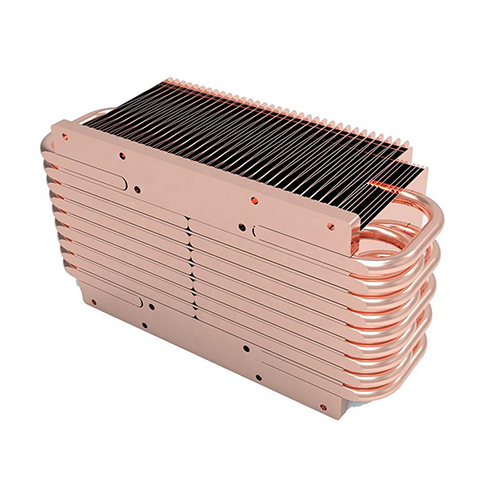
Vacuum brazing is ideal for complex assemblies with intricate internal geometries, enabling the joining of multiple components simultaneously.
 Exceptional Heat Transfer: Liquid cooling provides thermal conductivity efficiency 1000 times greater than air, capable of handling high heat flux densities ranging from 500W to 20kW.
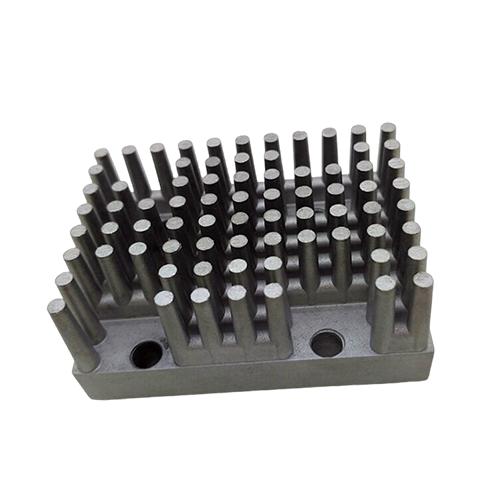
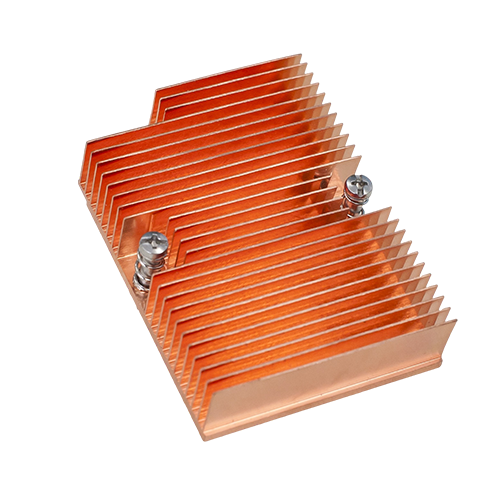
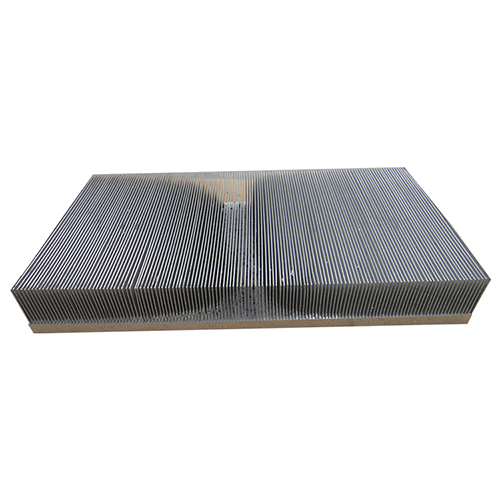
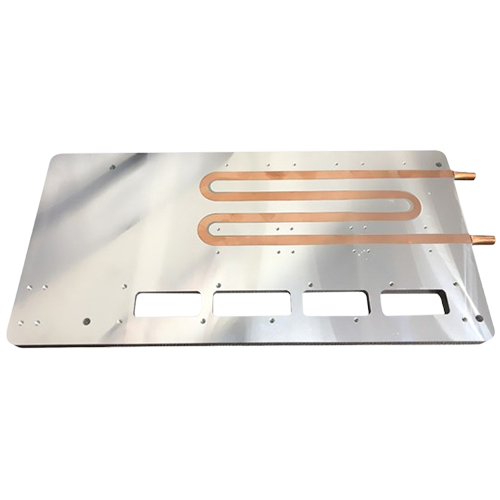
Optimized Internal Architectures: Brazing allows for the integration of highly complex internal fin structures (e.g., serpentine, parallel, or custom fin arrays) within the cold plate's core. These intricate designs maximize the surface area for heat exchange, leading to superior heat transfer coefficients and optimal thermal resistance (e.g., as low as 6°C/kW for certain configurations).
Homogeneous Temperature Distribution: The ability to design precise internal flow paths ensures even coolant distribution, leading to a highly uniform temperature across the cold plate's surface directly beneath the heat-generating components.
Robust & Permanent Bonds: Brazing creates a permanent metallurgical bond between components, resulting in an exceptionally strong and durable cold plate assembly.
Guaranteed Leak-Free Operation:The inherent nature of vacuum brazing produces an incredibly reliable, leak-free construction. Every KINGKA brazed cold plate undergoes rigorous pressure testing before shipping to ensure its integrity. Our solutions offer a leakage rate of less than 1×10⁻⁸ Pa·m³/s.
High Pressure Capability: Our brazed cold plates are designed to withstand high operating pressures, ensuring reliability in demanding liquid cooling loops.
Corrosion-Free Construction:By eliminating the need for corrosive fluxes, vacuum brazing ensures a clean, metal-to-metal joint that is inherently resistant to internal corrosion, contributing to a 20-year lifetime expectancy.
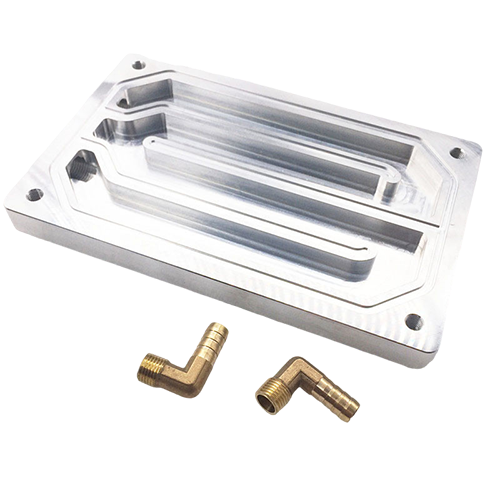
Complex Geometries:Brazing excels in creating intricate internal flow channels and heat exchanger structures that might be challenging or impossible with other joining methods like FSW (due to tool access limitations). This allows for highly customized designs tailored to specific thermal and spatial requirements.
Multi-Material Compatibility:Brazing is highly versatile, capable of joining a wide range of materials, including various aluminum alloys (e.g., 3003, 6061, 6063), copper, and even copper to stainless steel. This enables optimized material selection for different parts of the cold plate based on thermal conductivity and structural needs.
Compact Design:Our liquid cold plates can achieve thicknesses as thin as 10mm (in copper/aluminum materials), making them ideal for integration into confined spaces.
Efficient Manufacturing:Brazing allows for the simultaneous joining of multiple components, making it an efficient process for both prototyping and mass production. Our optimized processes support mass production volumes of up to 10,000+ pieces.
Competitive Solution:When complexity and high thermal performance are required, brazing offers a highly competitive solution compared to more labor-intensive or less thermally efficient alternatives.
Materials Expertise
We work with a range of high thermal conductivity materials, selected based on your application's specific needs
Aluminum Alloys: Commonly used aluminum alloys for brazed cold plates include 3003, 6061, and 6063. These offer an excellent balance of thermal performance, lightweight characteristics, and cost-effectiveness. Our materials provide thermal conductivity up to 200 W/mK.
Copper: For applications demanding maximum heat transfer, we utilize high-purity copper.
Dissimilar Metals: Our brazing capabilities extend to joining various material combinations, including aluminum to aluminum, copper to copper, and even copper to stainless steel.
Custom Design & Engineering
Our team of thermal experts provides end-to-end design support to optimize your brazed cold plate
Precise Thermal Load Analysis: We begin by thoroughly analyzing your component's heat load, power dissipation, and thermal distribution to create an accurate thermal map.
Optimized Flow Channel Design: Leveraging advanced CFD simulations (using ANSYS Fluent), we design custom flow channels (e.g., serpentine, parallel, or specialized fin structures) that maximize heat transfer while minimizing pressure drop (up to 30% reduction).
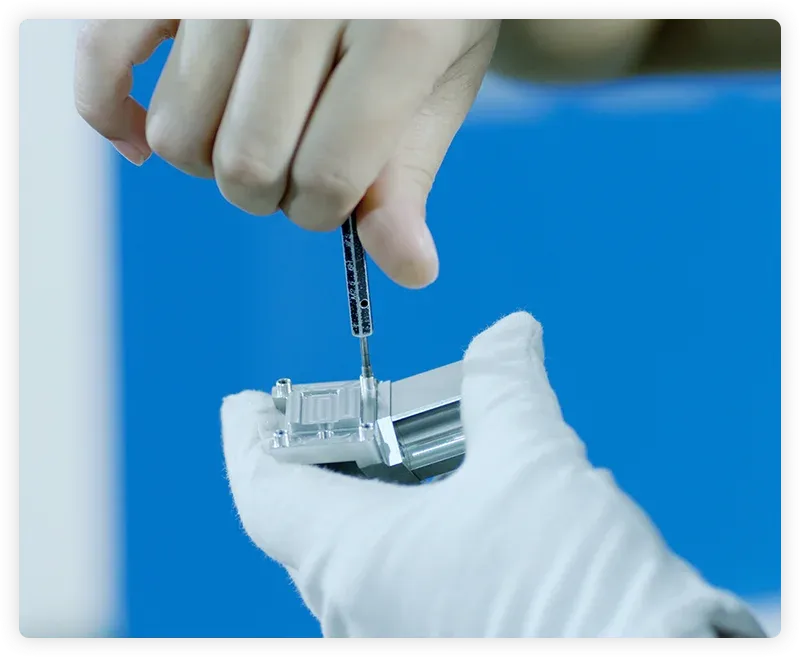
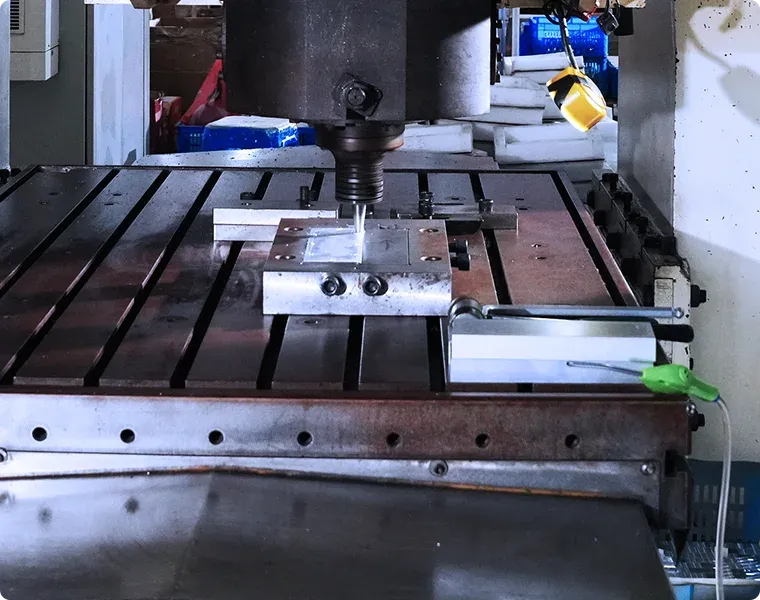
Dimensional Accuracy:All our cold plates undergo CNC precision processing with a tight tolerance control of ±0.05mm, ensuring perfect flatness and seamless integration with your heat-generating components.
Inlet/Outlet Customization: Flexible placement and sizing of inlet/outlet ports to match your system's fluid loop requirements.
Manufacturing & Quality Control
Our state-of-the-art manufacturing facilities ensure the highest quality standards
Integrated Production: From material preparation and internal channel machining to the vacuum brazing process and final finishing, all steps are controlled in-house.
Rigorous Quality Assurance: Every KINGKA brazed cold plate undergoes a multi-stage quality control process, including:
Thermal Simulation (ANSYS Fluent).
Pressure Testing: Verification of structural integrity and burst resistance.
Sealing/Leakage Testing: Precise helium leak detection to confirm hermetic integrity.
Thermal Performance Validation: Actual performance testing to confirm specified thermal resistance and temperature uniformity.
Flow Channel Cleaning: Internal channels are meticulously cleaned with 80°C hot water to remove any residues before shipment.

Jindu's Surface Treatment Options
Anodizing (for aluminum): This electrochemical process creates a protective oxide layer on aluminum surfaces, significantly improving corrosion resistance and hardness.
Chromate Coating: Also known as chromating or chemical conversion coating, this treatment provides excellent corrosion protection and acts as a primer for subsequent paint or adhesive layers.
Sandblasting: This process uses abrasive material propelled at high speed to clean or roughen a surface, which can improve adhesion for further coatings or achieve a desired aesthetic finish.

General Industry Surface Treatment and
Flatness Considerations
Surface Finish (Roughness): A typical machined cold plate has a surface finish of 32-64 µin (81-163 µcm), which is generally sufficient for most applications. While a smoother surface might slightly reduce air gaps, the flatness of the cold plate has a greater impact on thermal performance.
Flatness: Ensuring precise flatness (e.g., less than 0.001 inches per inch) is critical for maximizing contact area between the cold plate and the heat-generating component, thereby optimizing heat transfer.
Heat Treatment: After brazing, cold plates made from aluminum may be very soft (T0 hardness). To improve machinability and handling, they often undergo heat treatment processes to increase their hardness to T4 or T6. This involves heating the cold plate to high temperatures (e.g., 1000°F or 538°C) and then rapidly cooling it (quenching), followed by artificial aging for T6 hardness.
Cleaning: Internal channels are meticulously cleaned with hot water (e.g., 80°C) to remove any residues before shipment, ensuring optimal flow and preventing contamination.
Thermal Interface Material (TIM): To minimize air gaps and improve heat transfer between the component and the cold plate, a thermal interface material (TIM) is typically used. The TIM should be as thin as possible as its thermal resistance can significantly impact overall performance.








15 Years of Proven Expertis
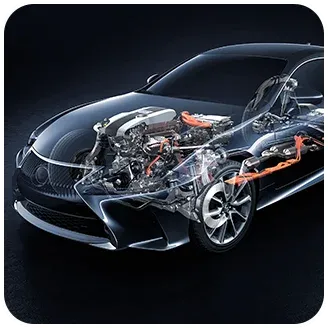
With over a decade and a half in thermal management, we bring unparalleled industry knowledge and a track record of success, having proudly served global leaders like NVIDIA and ABB.

Comprehensive Solutions
Our "comprehensive solution for all scenarios" includes both copper brazing and Friction Stir Welding processes, ensuring we can provide the optimal thermal solution for your unique requirements.

Integrated One-Stop Service
From initial consultation and custom design to advanced simulation (ANSYS Fluent), precise manufacturing, rigorous testing, and efficient mass production, Jindu offers a seamless, integrated process.

Agility & Reliability
Our rapid 7-day sample cycle allows for swift design validation, and our impressive 98% on-time delivery rate for mass production ensures your projects stay on schedule.

Unwavering Quality & Certifications
Our commitment to the highest quality standards is demonstrated by our IATF16949 certification, with ISO14001 and ISO13485 certifications actively in progress.

Future-Ready Capabilities
We are continuously investing in our future. Our planned relocation to a new, twice-expanded factory in 2026, equipped with state-of-the-art new production lines, will significantly enhance our capacity and technological advancements.


Discovery & Requirements Analysis
We start by understanding your project's specific thermal needs, power dissipation, and environmental factors.

Custom Design & Simulation
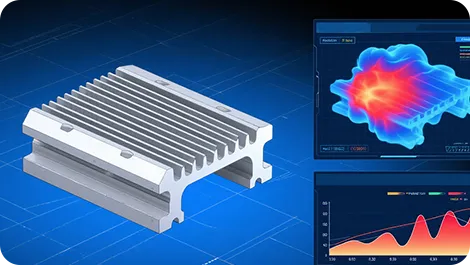
Our expert engineers develop a tailored Brazed Liquid Cold Plate design, validated through advanced CAD modeling and comprehensive thermal simulations using ANSYS Fluent.

Prototyping & Validation
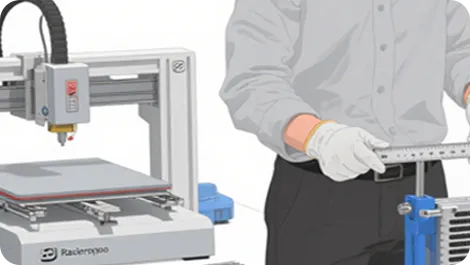
We rapidly produce high-quality prototypes for your evaluation, followed by rigorous testing to confirm performance, reliability, and adherence to all specifications.
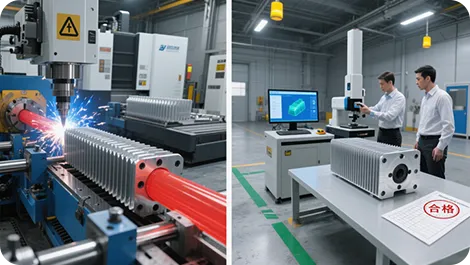

Manufacturing & Quality Control
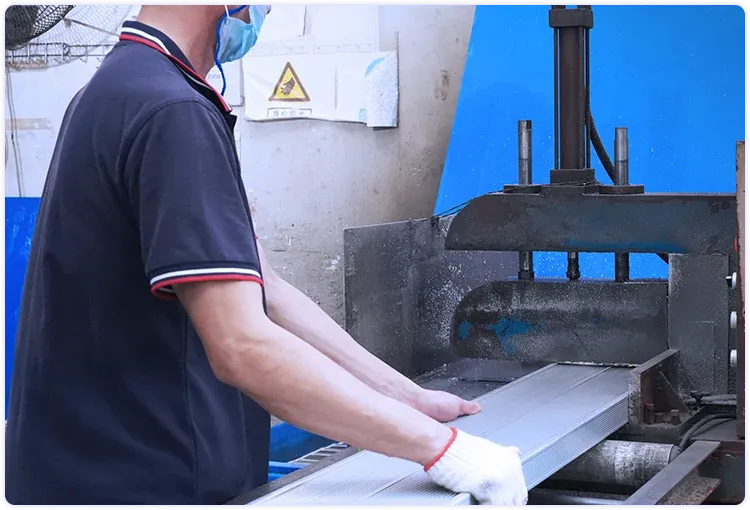
Leveraging our extrusion and CNC capabilities, we proceed with precision manufacturing, with strict quality checkpoints at every stage.


Delivery & Ongoing Support
We ensure on-time delivery of your optimized brazed cold plates and offer continuous technical support for seamless integration and long-term performance.