Advanced Liquid Cooling Plates and Heat Sinks for Medical Equipment by Jindu
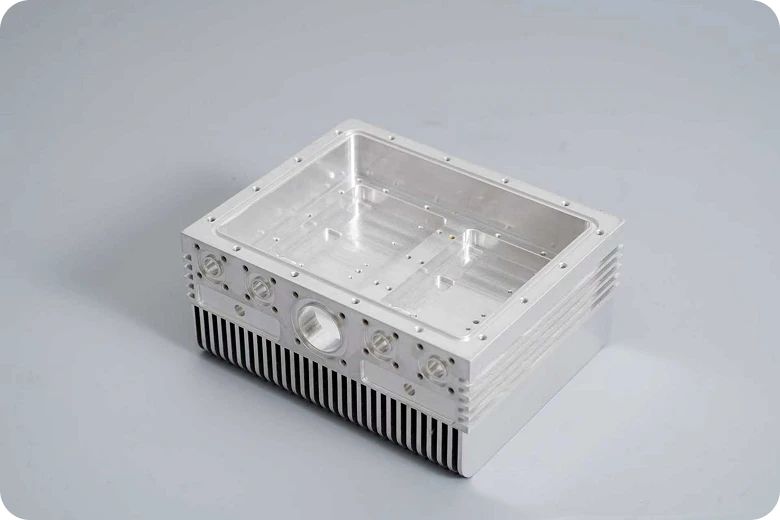
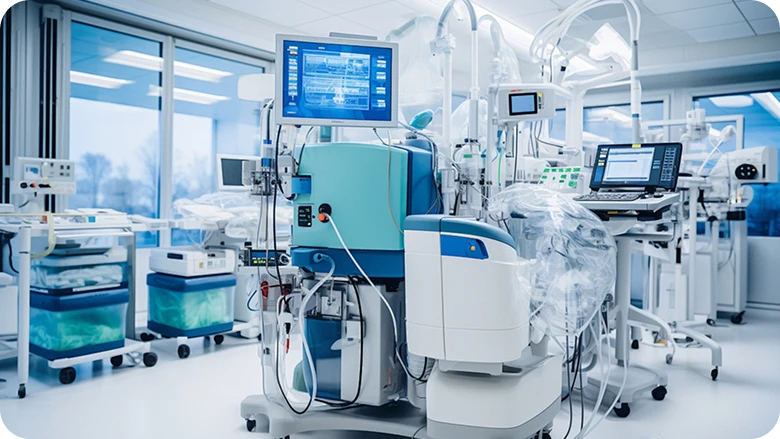
In the demanding field of medical equipment, reliable thermal management is critical for ensuring device performance, patient safety, and operational longevity. Jindu, a leading provider of thermal solutions, offers advanced liquid cooling plates and heat sinks tailored to meet the stringent requirements of medical applications. Our products deliver precise temperature control, enhancing the efficiency and reliability of your systems. Explore how Jindu can support your needs with innovative, customized thermal management solutions.
The Challenge: Protecting LEDs from Thermal Degradation
High-power LED chips convert a massive portion of energy into heat. Without efficient dissipation, the junction temperature rises rapidly, leading to catastrophic failure.

Why Liquid Cooling Plates Are Essential for Heat Dissipation in Medical Devices
Traditional cooling methods often fall short in compact medical systems, leading to elevated temperatures that affect accuracy and lifespan. Liquid cooling plates address these issues by providing uniform heat transfer, reducing hotspots in equipment like imaging scanners where precision is paramount.
Common Issues with Traditional Heat Sinks in Compact Medical Systems
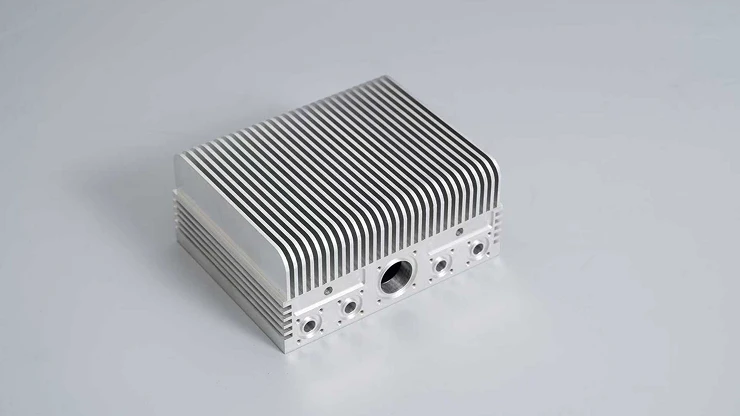
Space constraints in portable medical devices exacerbate heat buildup, while noise and vibration from fans can interfere with sensitive operations. Heat sinks must be optimized for airflow to ensure efficient cooling without additional mechanical disturbances.
Jindu's Liquid Cooling Plate and Heat Sink Solutions for Medical Equipment
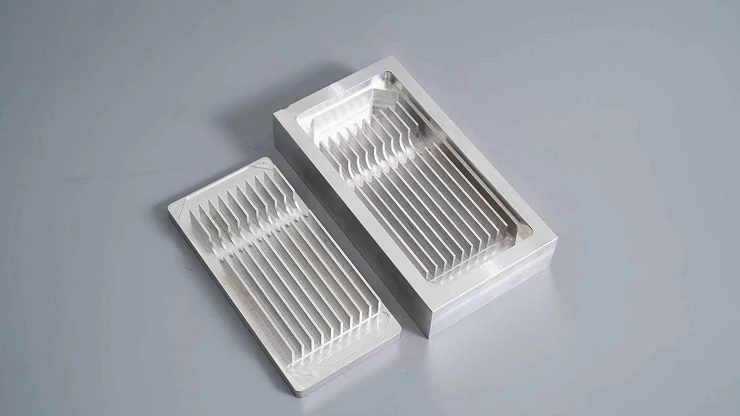
Jindu’s thermal solutions are engineered to resolve these challenges through advanced design and manufacturing. Our liquid cold plates and heat sinks integrate seamlessly into medical equipment, offering scalable performance for various power levels.
How Jindu Liquid Cooling Plates Solve Overheating in Diagnostic Equipment
Jindu liquid cooling plates minimize thermal resistance and pressure drop, ensuring efficient coolant flow and heat extraction. With rigorous leakage testing and compatible surface treatments, our plates support a range of coolants, enhancing coolant compatibility for long-term reliability in high-stakes medical environments.

Low thermal resistance design

Minimal pressure drop

Rigorous leakage testing

Enhanced coolant compatibility
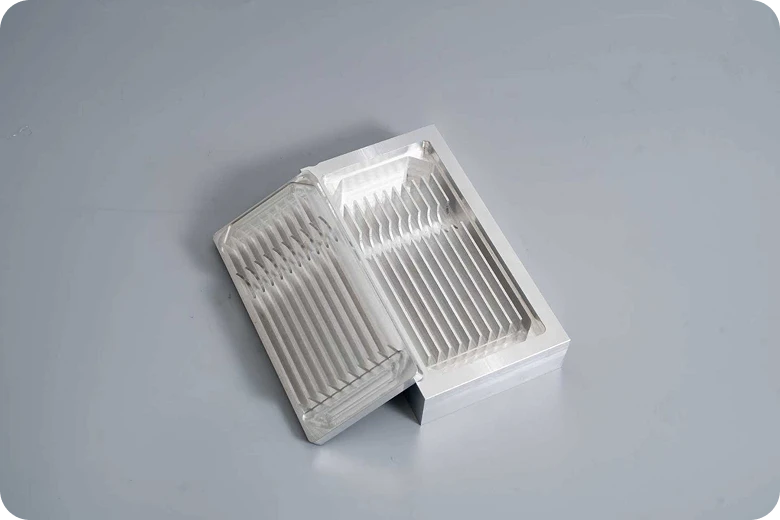
Optimizing Performance with Jindu Heat Sinks for Surgical Tools
For applications requiring air-based cooling, Jindu heat sinks feature high fin density and airflow optimization to maximize heat dissipation efficiency. Utilizing extrusion, skiving, and die-casting technologies, these sinks provide lightweight, durable options that integrate easily into compact surgical and monitoring devices.

High fin density for maximum heat transfer

Airflow optimization

Lightweight and durable construction

Multiple manufacturing techniques
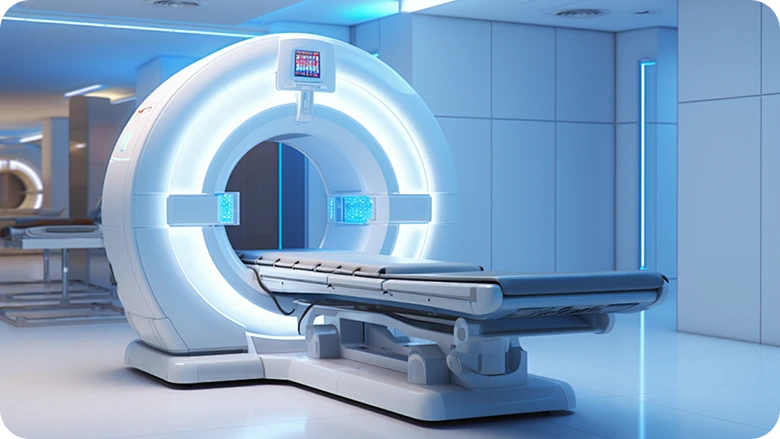
Application Scenarios for Jindu Liquid Cooling Plates and Heat Sinks in Medical Equipment
Jindu’s thermal solutions are versatile, supporting a wide array of medical scenarios where effective heat management is essential.
Liquid Cooling Plates in High-Power Imaging Systems
In CT and MRI machines, Jindu liquid cooling plates manage intense heat from electronic components, maintaining stable temperatures to prevent image distortion and extend equipment life.
Heat Sinks for Compact and Portable Medical Devices
For portable ultrasound units and patient monitors, our heat sinks provide efficient cooling in limited spaces, leveraging high fin density and extrusion technology to ensure quiet, reliable operation during critical procedures.
- Laser Therapy Devices: Liquid cold plates handle heat from high-energy lasers, reducing thermal resistance for consistent output.
- Surgical Robots: Heat sinks with airflow optimization dissipate heat from actuators, supporting precise movements without added noise.
- Diagnostic Analyzers: Combined solutions ensure uniform cooling, enhancing accuracy in lab-based medical equipment.
Technical Excellence in Jindu's Liquid Cooling Plates and Heat Sinks
Advanced Materials and Manufacturing Processes for Liquid Cold Plates
Rigorous Testing Protocols for Heat Sink Reliability in Medical Applications
Why Choose Jindu for Your Medical Equipment Liquid Cooling Plate and Heat Sink Needs
As a leading thermal solutions provider, Jindu stands out with our commitment to innovation and quality. We offer customized design services through OEM/ODM models, allowing tailored liquid cooling plates and heat sinks to fit your specific requirements.

Unmatched Manufacturing Capabilities and Customization Options
With state-of-the-art manufacturing facilities, Jindu excels in producing high-precision thermal components. Our expertise in vacuum brazing, FSW, and skiving fin processes enables rapid prototyping and scalable production, ensuring your medical equipment benefits from optimized thermal management.

Commitment to Quality Control and Compliance in Thermal Solutions
Every Jindu product undergoes 100% inspection, including thermal simulations and compliance testing. Our ISO-certified processes guarantee adherence to medical standards, providing peace of mind for engineers and procurement managers seeking reliable partners.
Frequently Asked Questions About Jindu Liquid Cooling Plates and Heat Sinks for Medical Equipment
Jindu liquid cold plates excel due to low thermal resistance and minimal pressure drop, combined with advanced surface treatments and coolant compatibility testing, ensuring superior performance in medical devices.
Our heat sinks are designed with customizable fin density and extrusion/skiving/die-casting technologies, allowing seamless integration and enhanced heat dissipation efficiency in diverse medical setups.
Jindu adheres to ISO 13485 and conducts extensive leakage testing, thermal cycling, and airflow optimization evaluations to meet rigorous medical equipment standards.
Yes, through our OEM/ODM services, we offer customized design for liquid cooling plates, incorporating specific thermal resistance and coolant compatibility requirements.
These processes create strong, seamless joints in our heat sinks, improving structural integrity and heat dissipation efficiency while supporting airflow optimization in demanding medical environments.