
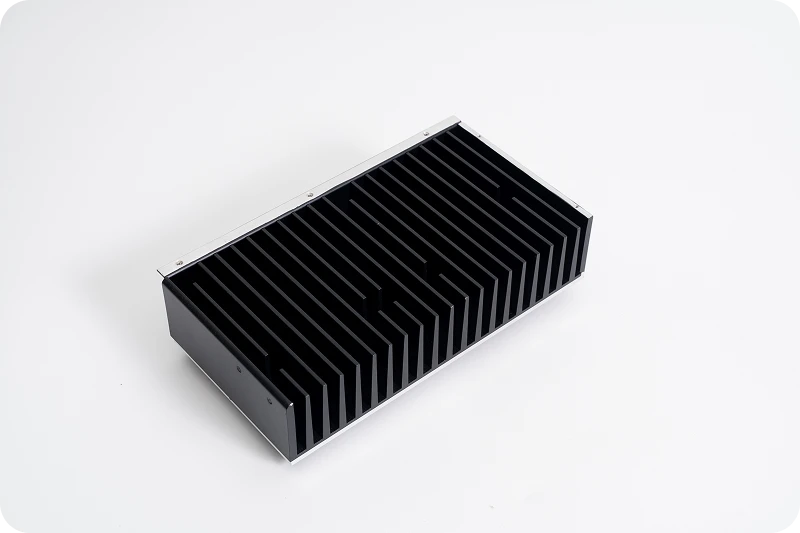
Extrusion Heat Sinks: Unleash Custom Designs with Linear Freedom
首页 » Extruded Heat Sinks
What is an Aluminum Extrusion Heat Sink?
An aluminum extrusion heat sink is a high-efficiency cooling component created by forcing heated aluminum billets (typically 6063 or 6061 alloy) through a precision-engineered steel die. This process creates a constant cross-sectional profile with extended surface areas (fins) designed to dissipate heat from electronic components into the surrounding air.
At Jindu, we elevate this standard process. While conventional extrusions are limited by fin density, our advanced tooling technology enables a High-Aspect Ratio , allowing for more cooling surface in a smaller footprint—critical for high-power applications.
Why Choose Jindu Extruded Heat Sinks?

Length Customization with Zero Tooling Constraints
Unlike die-cast or forged heat sinks, our extrusion process allows for length variations without the need for expensive new tooling. Whether you need 100mm or 2000mm, we can produce consistent profiles cut precisely to your specifications—ideal for applications requiring linear scalability and minimal material waste.

Complex Cross-Sectional Geometries for Enhanced Surface Area
Our advanced extrusion capabilities enable the creation of intricate fin designs, multi-layer structures, and asymmetrical profiles that maximize surface area for improved convective heat transfer. From low-profile designs to tall, high-density fin arrays, we deliver geometries that optimize thermal performance in constrained environments.

Full In-House Post-Extrusion Fabrication
Eliminate the hassle of multi-supplier coordination. We offer complete secondary operations including CNC precision machining, drilling, tapping, milling, and deburring to ensure quality control and faster turnaround.

Rapid Prototyping & Flexible Production Volumes
We understand that product development cycles demand speed. Our low minimum order quantities (MOQs) allow you to prototype and validate designs without committing to mass production. Once validated, we scale seamlessly to high-volume manufacturing with consistent repeatability and short lead times.

Metallurgical Expertise in High-Thermal-Conductivity Alloys
With decades of experience in aluminum extrusion, we specialize in 6000-series alloys including 6063, 6061. We help you select the optimal alloy and temper (T5 or T6) to balance mechanical strength, thermal conductivity (170–210 W/m·K), and corrosion resistance—ensuring your heat sink performs reliably under real-world operating conditions.
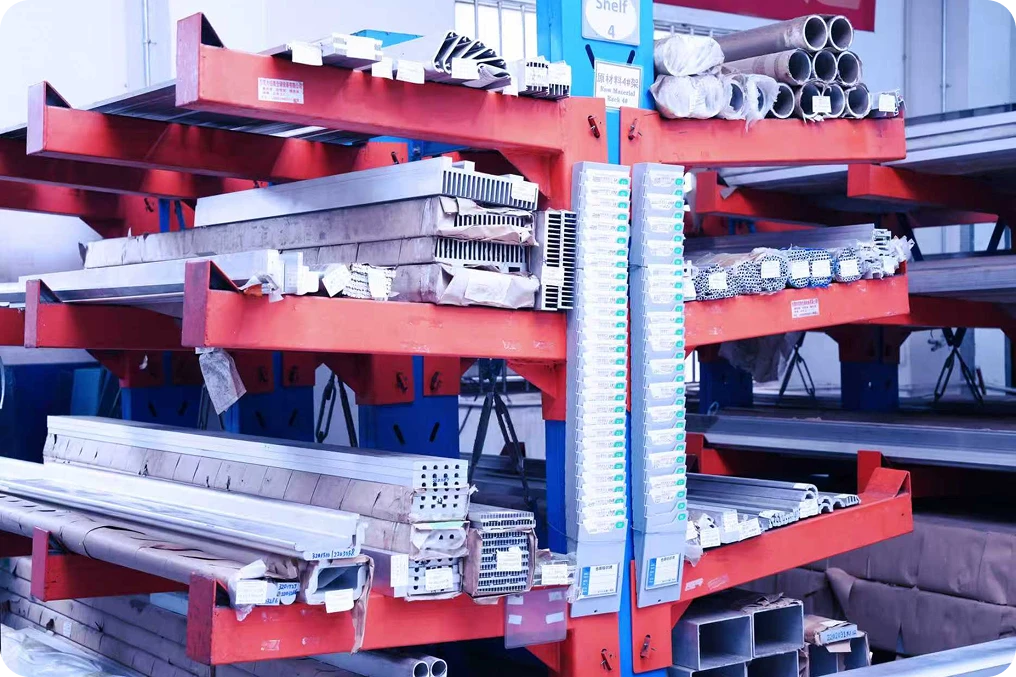
Our Professional Manufacturing Workflow
- Engineering & Die Design
- Precision Hot Extrusion
- Straightening & Aging
- Multi-Axis CNC Machining
- Quality Control & Validation

We use thermal simulation to optimize fin geometry and metal flow before the H13 steel die is cut.
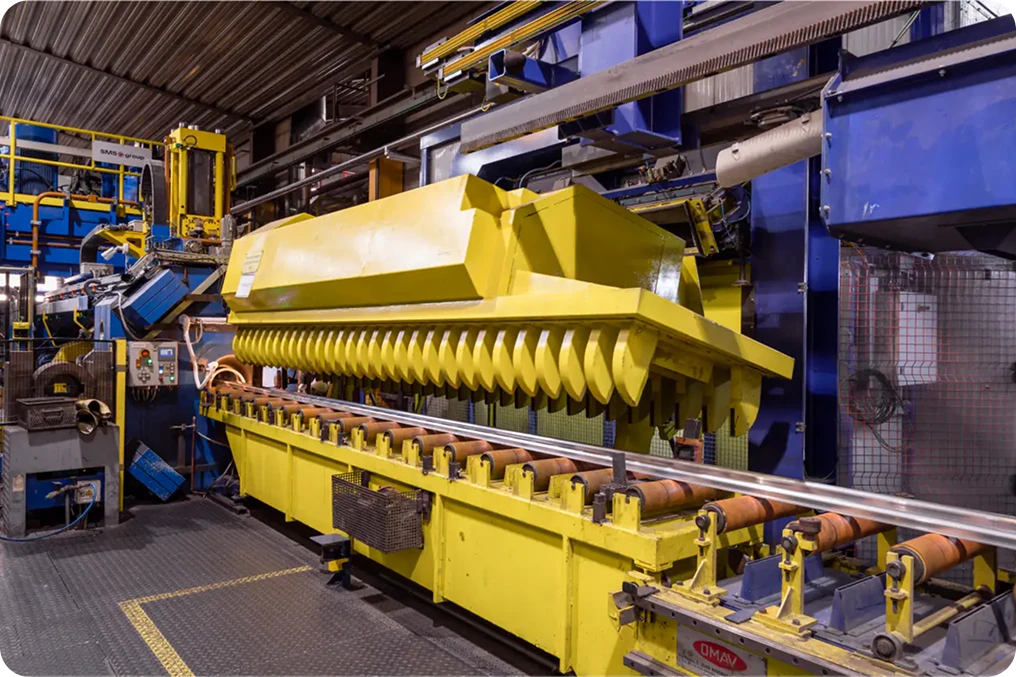
Aluminum is heated to 480-520°C and extruded under high pressure, followed by online quenching to reach ≥75HB hardness.
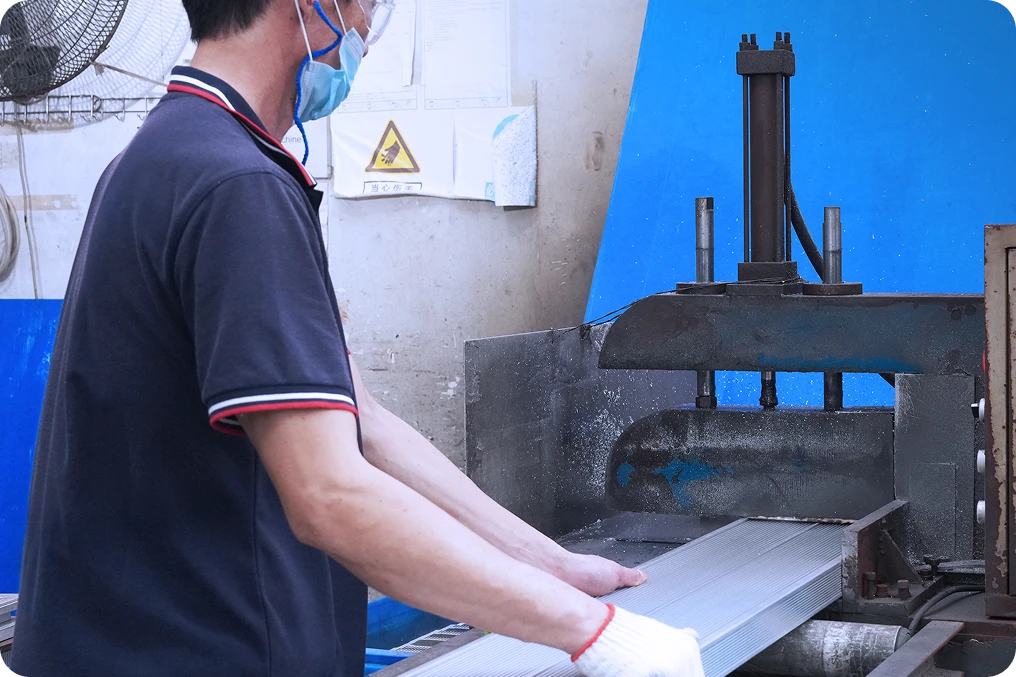
Hydraulic stretching ensures a straightness of ≤1mm/m, followed by artificial aging (T5/T6) to lock in mechanical strength.
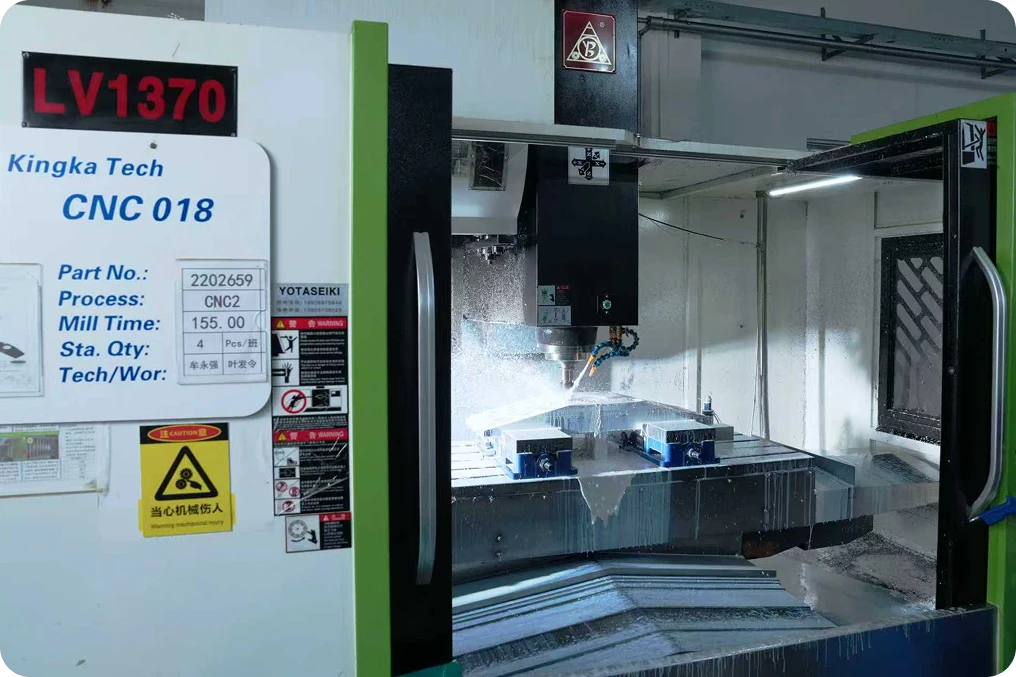
Over 30 sets of CNC machines handle complex milling, drilling, and tapping for high-precision interface requirements.
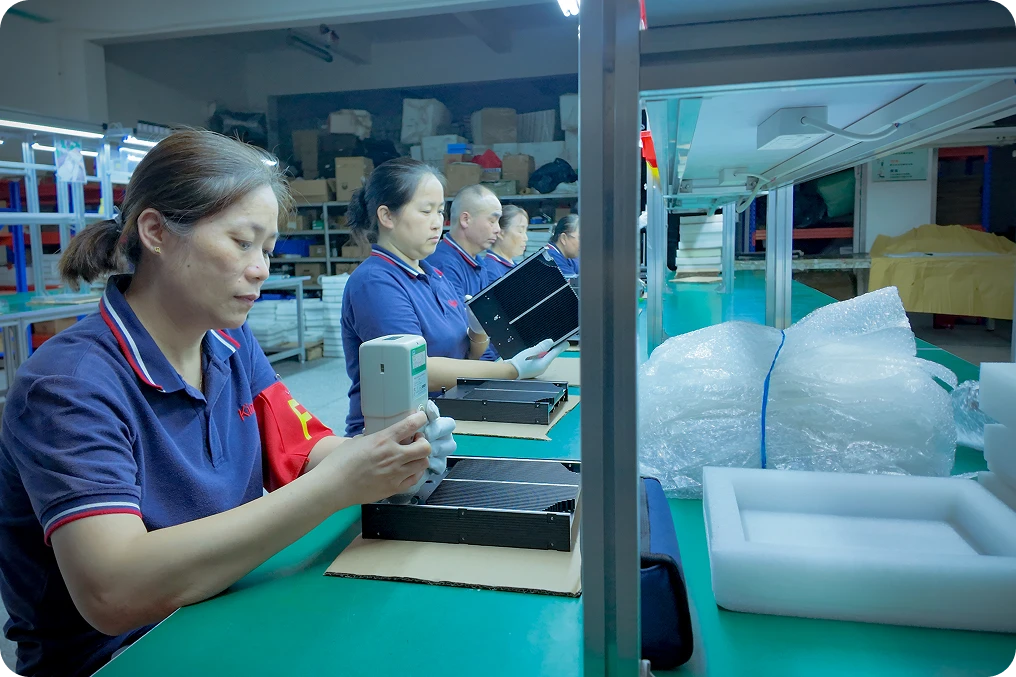
Every unit undergoes 100% critical dimension checks via CMM and thermal performance verification.

Technical Specification Matrix
| Feature | Jindu Capability | Control Standard |
| Material State | 6063/6061-T5/T6 | Spectral Analysis & Hardness Testing |
| Fin Height-to-Gap Ratio | 8:1 (Standard) up to 12:1 (Limit) | High-Precision Die Control |
| CNC Precision | ±0.01 mm ±0.01 | CMM (Coordinate Measuring Machine) |
| Flatness (Mounting) | ≤ 0.05 mm ≤ 0.05 | Marble Platform & Dial Indicator |
| Hardness | ≥ 75 HB (6063-T5) ≥ 75 HB(6063-T5) | Brinell Hardness Tester |
| Corrosion Resistance | ≥ 48h – 72h Salt Spray | NSS (Neutral Salt Spray) Test |
Applications of FSW Liquid Cooling
Our Friction Stir Welded plates are the preferred choice for high-heat-flux applications:
Telecommunications & 5G Infrastructure

New Energy Vehicles (EV/HEV)

Power Electronics & Renewable Energy
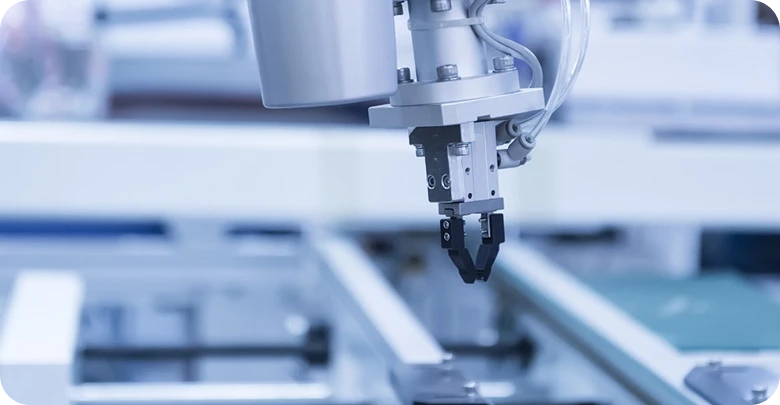
Industrial Automation & Robotics

Medical & Laboratory Equipment
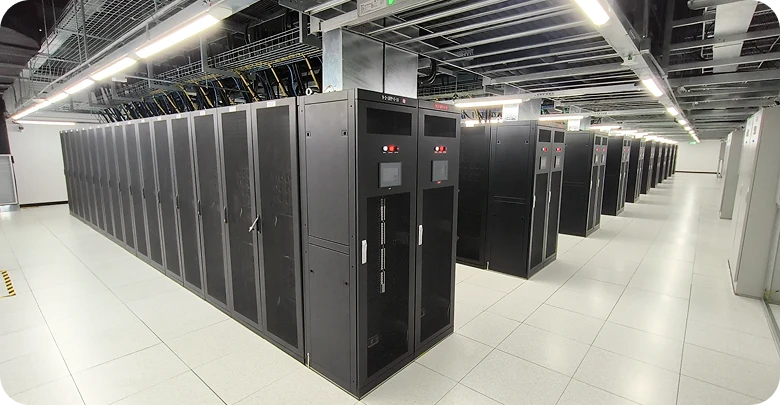
Enterprise Computing & Data Centers
FAQ Section
We operate presses ranging from 800 to 2500 tons, capable of producing aluminum profiles with a circumscribed circle diameter of up to φ300mm.
Standard extrusion is often limited, but Jindu utilizes specialized die lubrication and low-speed extrusion (0.5-2m/min) to achieve 12:1 fin ratios, which is ideal for forced-air cooling.
We use specialized fixtures with controlled clamping pressure (≤1MPa) and symmetrical layered cutting techniques to release internal stress and maintain a flatness of ≤0.05mm.
For superior protection, we recommend Hard Anodizing (30-50μm). Our products are tested in salt spray chambers for over 48 hours to meet industrial anti-corrosion standards.
For new designs, die fabrication takes 10-15 days. Once the die is ready, mass production typically takes 14-25 days, with a 3-7 day "Green Channel" available for rapid prototyping.