High-Performance Liquid Cooling Plates and Heat Sinks for Power Electronics
Optimizing Thermal Reliability for the Future of Power Conversion. As power densities in IGBTs, SiC MOSFETs, and high-capacity inverters continue to climb, standard cooling methods often fall short. Jindu provides precision-engineered liquid cooling plates and high-performance heat sinks designed to mitigate extreme heat flux, ensuring your systems operate within optimal temperature ranges even under the most demanding loads.
Overcoming the Heat Flux Barrier in Power Electronics
Modern power electronics are defined by miniaturization and increased power throughput. These advancements create significant thermal management hurdles for engineers and procurement managers

Extreme Heat Flux
Concentrated heat loads in power modules can lead to rapid degradation or catastrophic failure if not dissipated instantly.

System Reliability
Thermal cycling and hotspots reduce the lifespan of critical components like capacitors and semiconductors.

Space Constraints
Achieving high heat dissipation efficiency within increasingly compact enclosures requires more than just a standard cooling component—it requires an integrated thermal strategy.
Advanced Liquid Cold Plates and Heat Sinks
Jindu specializes in the design and state-of-the-art manufacturing of turnkey thermal solutions tailored specifically for the power electronics sector
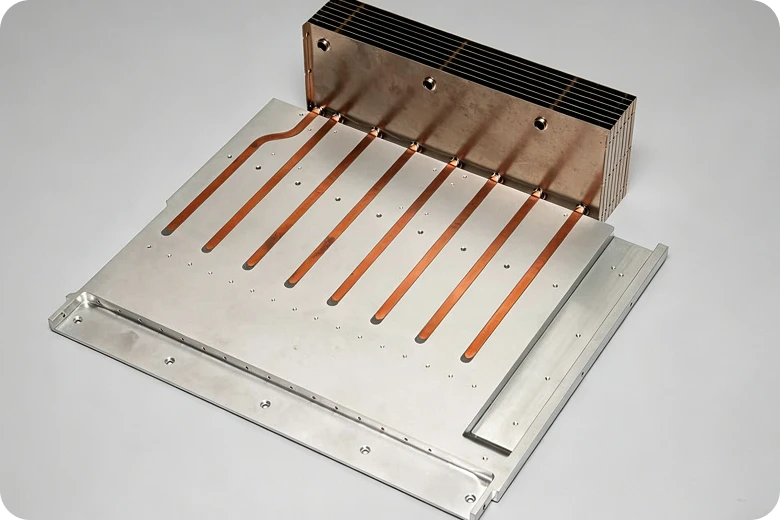
Custom Liquid Cooling Plates (Cold Plates)
Our liquid-cooled solutions are the gold standard for high-wattage power modules. We focus on

Minimized Thermal Resistance
Optimized internal flow paths to maximize heat transfer from the component to the coolant.

Low Pressure Drop
Precision-engineered internal fin structures and micro-channels that ensure high flow rates without straining your pumping system.

Coolant Compatibility
Expert material selection (Aluminum 6061/6063, Copper) to prevent galvanic corrosion and ensure long-term fluid stability.
High-Density Heat Sinks
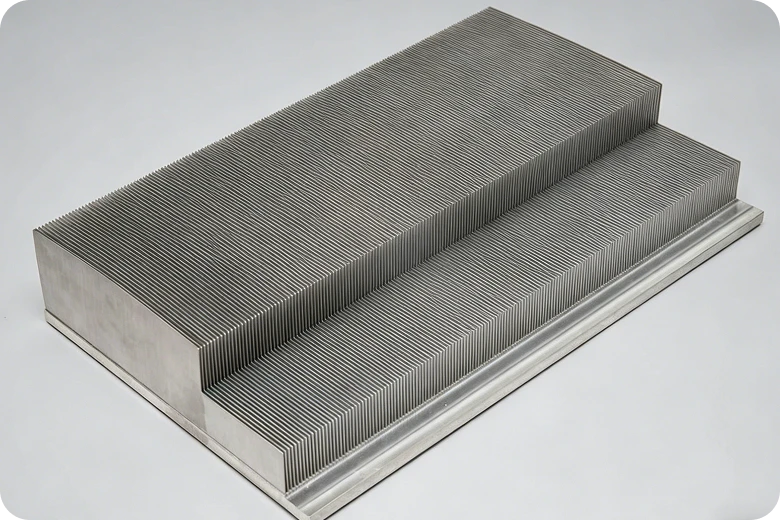
For air-cooled applications, we provide advanced geometries that maximize surface area

Skiving & Extrusion Technology
We utilize Skiving fin processes for high-aspect-ratio fins, providing higher fin density than traditional extrusion.

Airflow Optimization
Our designs are simulated to reduce bypass airflow and maximize the contact time between air and the cooling fins.

Die-Casting & Composite Solutions
For complex geometries and high-volume production, our die-casting capabilities ensure consistent performance at scale.
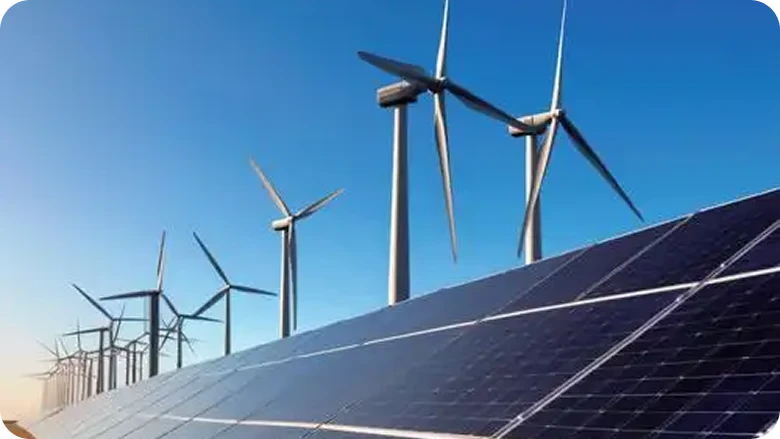
Powering the Next Generation of Energy Systems
Our thermal management solutions are deployed across critical infrastructure worldwide
Renewable Energy
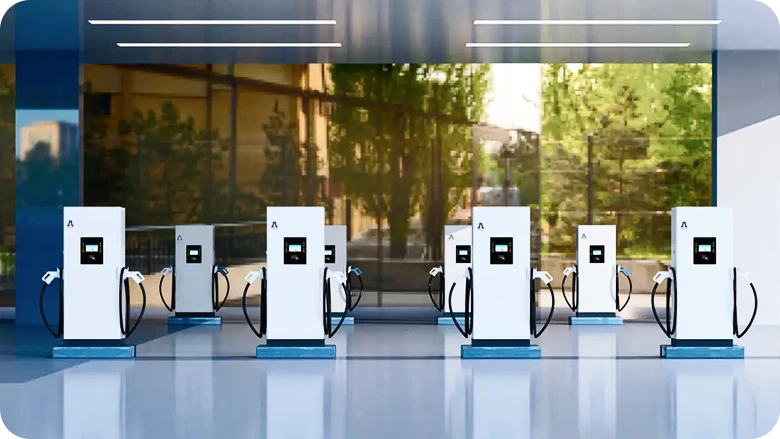
EV Infrastructure
Industrial Automation
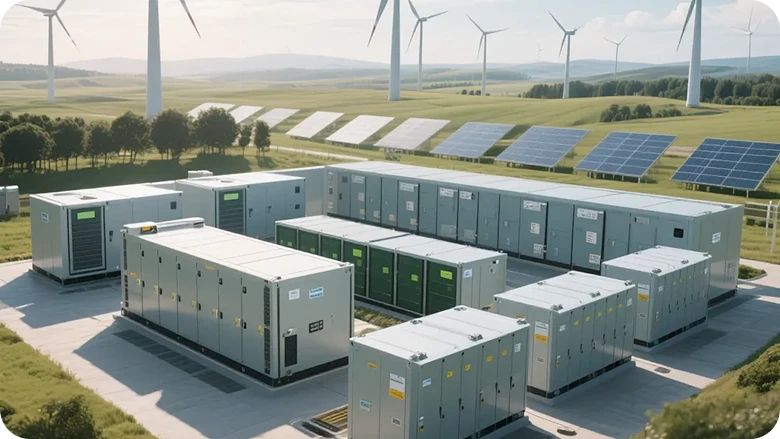
Energy Storage (BESS)
Precision Manufacturing & Quality Assurance
At Jindu, we bridge the gap between complex engineering designs and mass-market reliability. Our manufacturing facility utilizes the latest technology to ensure every unit meets rigorous industrial standards.
Advanced Joining Technologies
Surface Treatment
Strict Leakage Testing
Thermal Performance Validation
Your Strategic Partner for OEM/ODM Thermal Solutions
Why do leading power electronics companies trust Jindu? We provide more than just hardware; we provide a competitive edge.

Customized Design (OEM/ODM)
We don't just "sell parts." Our engineers work with your team from the prototype stage to provide Design for Manufacturability (DFM) feedback.

Scalable Production
From low-volume specialized prototypes to high-volume automotive-grade production runs.

Quality Certification
Operating under ISO 9001 and IATF 16949 standards to meet the stringent requirements of the power and automotive sectors.
Frequently Asked Questions
We design internal geometries based on your specific coolant compatibility requirements and implement smooth internal surface treatments to prevent scaling and particulate buildup.
Yes. We offer CFD (Computational Fluid Dynamics) analysis to predict pressure drop and thermal resistance before we move to the tooling phase.
Rapid prototyping is typically completed within 7–10 days, while mass production timelines depend on the complexity and volume of the order.