
No Thermal Interface Resistance
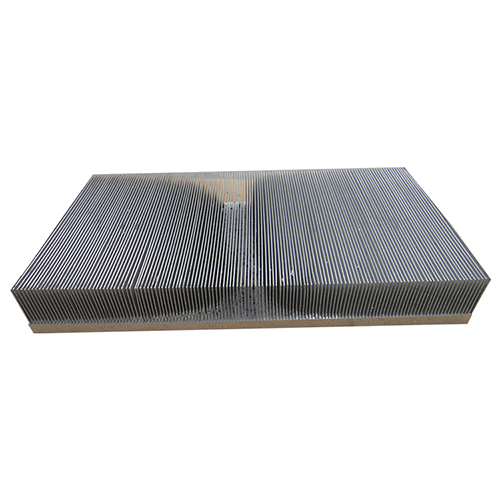
Because the fins are extruded directly from the base plate, there are no air gaps, joints, or thermal interfaces between the fins and the base. This eliminates the contact resistance typically found in bonded or pressed heat sinks, leading to significantly more efficient heat transfer from the heat source to the fins.

Enhanced Material Properties
The cold working process increases the material's density, refines its grain structure, and induces work hardening, which improves the mechanical strength, hardness, and thermal conductivity of the finished heat sink.

Material Deformation
A solid metal billet is subjected to immense pressure, causing it to flow into a die cavity, forming both the base and the fins simultaneously.
 Seamless Construction:The single-piece design ensures zero thermal resistance at the fin-to-base joint, maximizing heat flow from the source through the entire heat sink. This results in superior thermal performance and better heat dissipation compared to other methods.
Enhanced Material Density:The high-pressure forging process eliminates internal air bubbles, porosity, or impurities, resulting in a highly homogeneous and dense material structure with exceptionally high thermal conductivity.
Optimal Heat Dissipation:This combined with high fin density and optimized fin geometries allows for highly effective heat transfer and powerful cooling capacity.
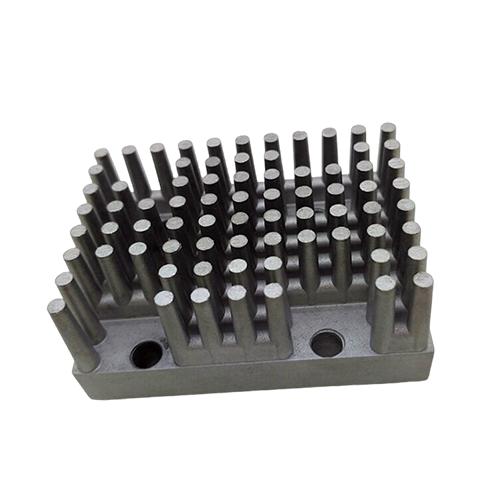
High Aspect Ratios:Cold forging enables the creation of fins with exceptionally high aspect ratios (height to diameter) of up to 50:1, which is difficult to achieve with other manufacturing techniques like die-casting or extrusion.
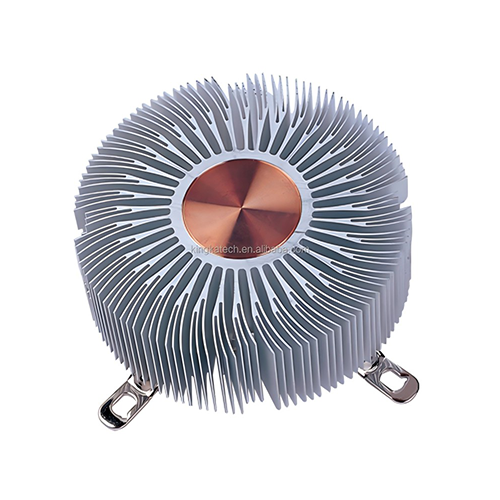
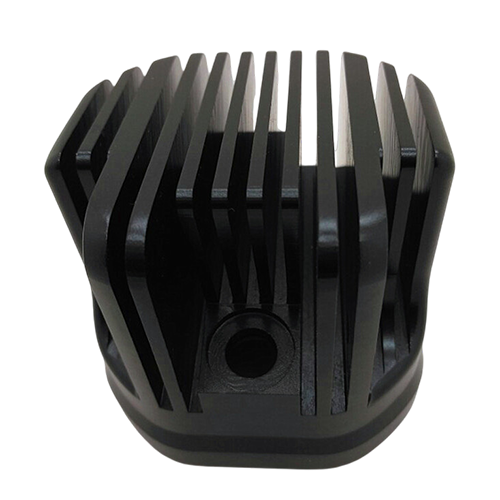
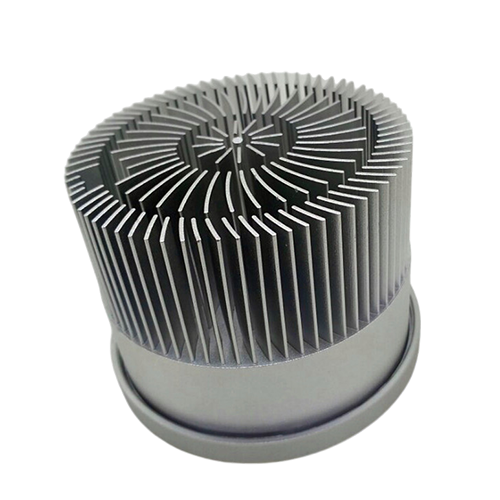
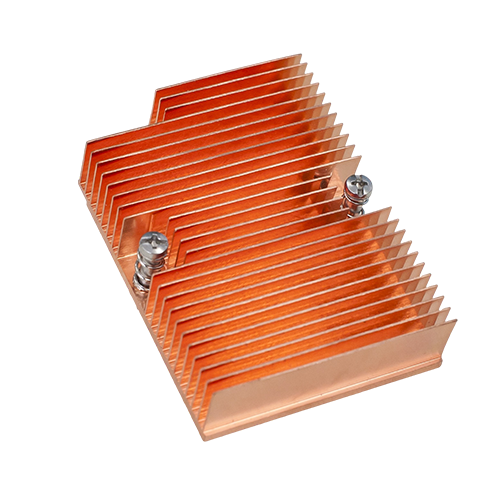
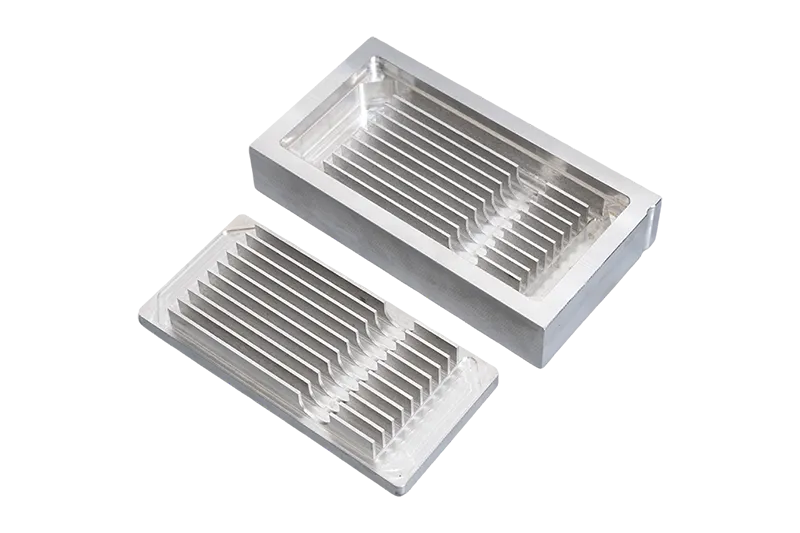
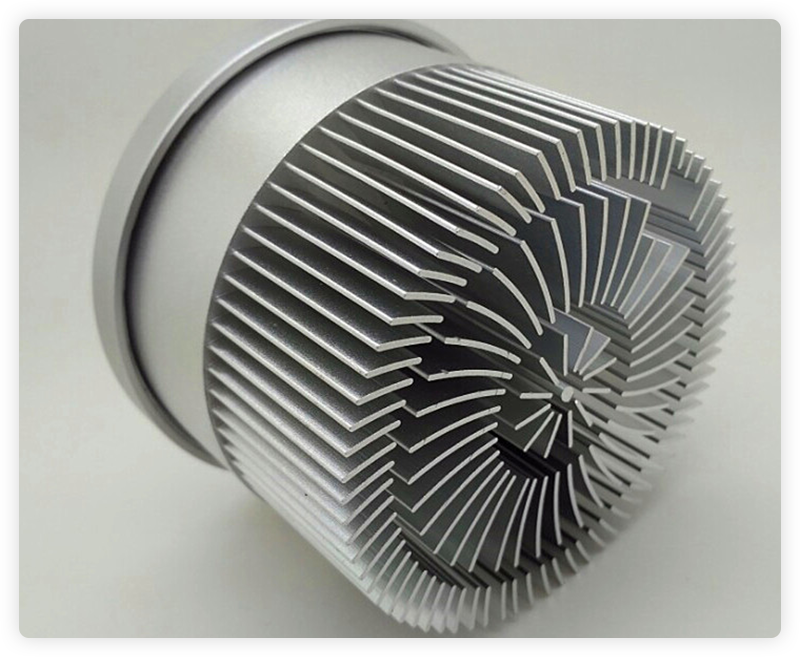
Diverse Fin Geometries:The process allows for a wide range of complex fin geometries, including pin fins, radial fins (sunflower type), elliptical fins, straight fins, or a combination on the same part. Pin fin designs are particularly effective for omnidirectional airflow.
Compact Structure:The ability to achieve high fin density means more surface area can be packed into a compact volume, beneficial for space-constrained applications.
Economical for Mass Production:Cold forging is a highly efficient and high-yield production method, making it a cost-effective choice for large-batch productions, typically from approximately 500 pieces upwards.
Superior Mechanical Properties:The work hardening induced by the cold forging process significantly increases the material's strength and hardness, resulting in a robust and long-lasting product.
High Dimensional Accuracy & Surface Quality:The process results in high dimensional accuracy and a superior surface finish, often requiring minimal or no secondary machining.
Material Selection We primarily utilize pure aluminum (Al1050/Al1070, 6061/6063 alloys) or pure copper (CU1100/CU1020, C1100) for our cold forged heat sinks. Aluminum is favored for its excellent balance of thermal conductivity (up to 200 W/mK) and cost-effectiveness, while copper offers superior thermal conductivity (up to 398 W/mK) for extremely high heat flux applications.
Advanced Manufacturing and Customization
Our capabilities ensure precise and high-quality production:
Precision Cold Forging:Our advanced forging processes deliver heat sinks with optimal material density and integrated fin structures.
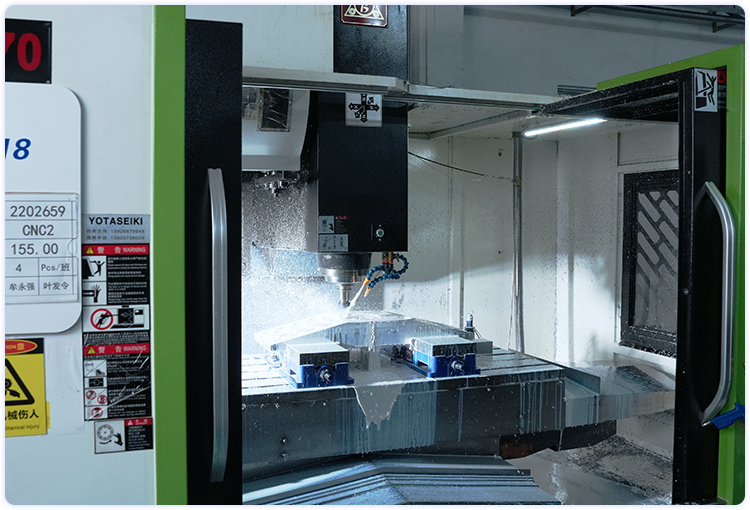
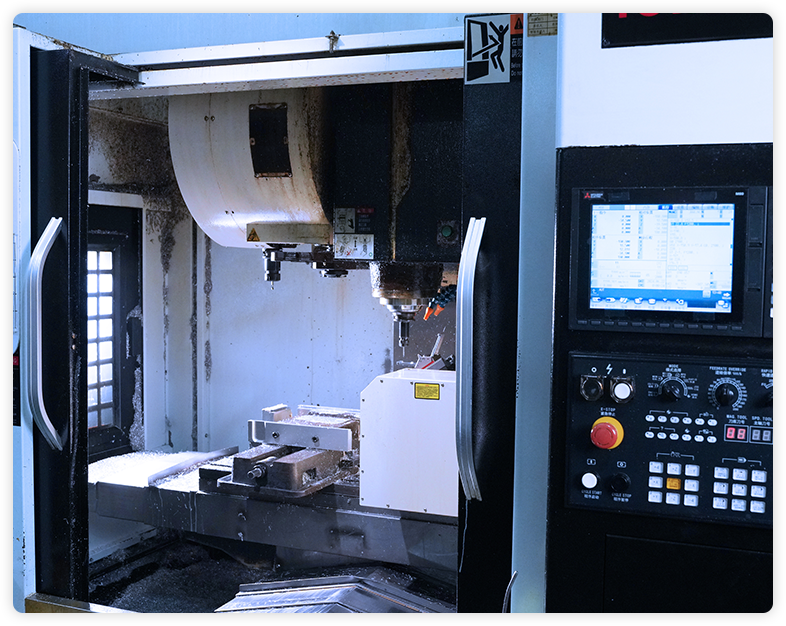
Post-Forging CNC Machining:While cold forging yields high surface quality, we offer CNC precision processing with an exceptional ±0.005mm tolerance for any required secondary operations like holes, chamfering, or steps.
Surface Treatments: To enhance durability and aesthetics, we provide various surface finishes such as anodizing, nickel plating, anti-oxidation coatings, and powder coating.
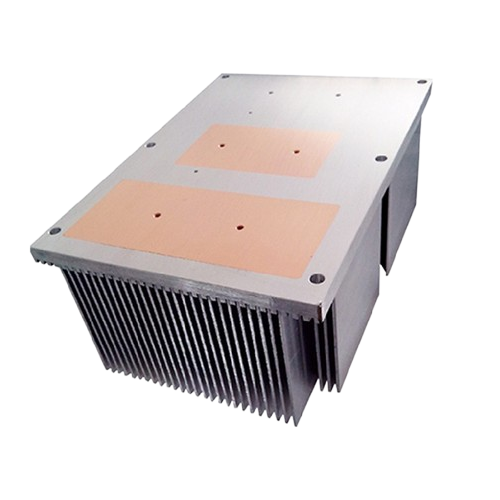
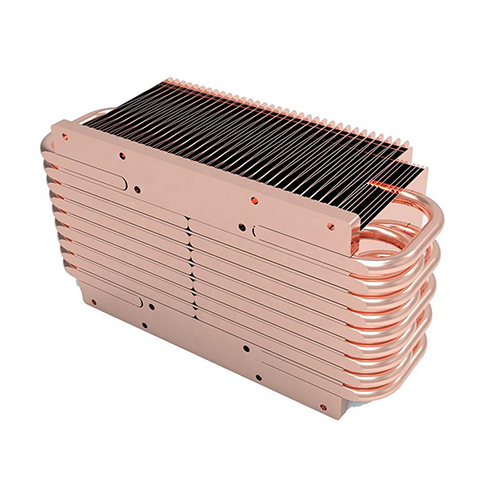
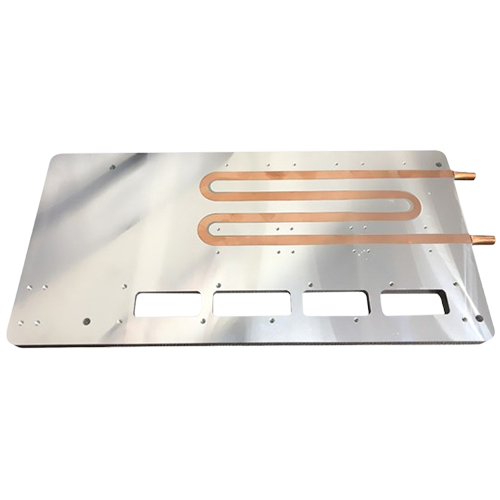
Integrated Solutions: Our cold forged heat sinks can be combined with heat pipes to further enhance thermal performance for complex systems.
Rigorous Quality Assurance
Every KINGKA Cold Forged Heat Sink undergoes a comprehensive quality control process:
Thermal Simulation & Optimization: We utilize ANSYS Fluent for detailed thermal simulations to predict and optimize performance under various operating conditions.
Actual Test Reports:We provide actual test reports to empirically validate the thermal performance, structural integrity, and reliability of our custom solutions.
Dimensional Accuracy Inspection:Strict quality control ensures all critical dimensions and surface quality meet stringent specifications.

Common Surface Treatment Options:
Anodizing: This is a widely used electrochemical process that thickens and toughens the naturally occurring protective oxide layer on metal surfaces, particularly aluminum. Anodizing enhances corrosion resistance and can be used for cosmetic purposes by absorbing dyes for various colors. Clear and black anodized surfaces have similar emissive characteristics.
Nickel Plating: This process involves applying a layer of nickel to the heat sink surface, providing improved corrosion resistance and hardness.
Anti-oxidation Coatings: These coatings are applied to prevent oxidation and degradation of the heat sink material over time, preserving its performance.
Ultimately, the choice of surface treatment depends on the specific application requirements, including environmental conditions, desired aesthetic, and performance goals.
Powder Coating: This is a dry finishing process where finely ground particles of pigment and resin are electrostatically charged and sprayed onto the heat sink. It offers a durable and aesthetically pleasing finish with various color options.


Common Surface Treatment Options:
Chromate Finishing: This treatment provides corrosion protection and can serve as a primer for paint.
Tin/Lead Finishing: These finishes offer good solderability and corrosion resistance.
Electroless Nickel: A chemical plating process that provides a uniform, hard, and corrosion-resistant coating.
Ultimately, the choice of surface treatment depends on the specific application requirements, including environmental conditions, desired aesthetic, and performance goals.
Mechanical Finishing: This category encompasses various mechanical processes that can improve surface quality and prepare the surface for other treatments.
Painting: A versatile option for aesthetics and some level of protection.
Oil Spraying: Can be used for certain applications, particularly with cold forging heat sinks.





15 Years of Proven Expertise
With over a decade and a half of dedicated experience in advanced thermal management, we bring unparalleled industry knowledge and a proven track record, serving global industry giants such as NVIDIA and ABB.

Integrated One-Stop Solution
From initial concept and customized design to advanced thermal simulation (ANSYS Fluent), precision manufacturing, rigorous testing, and efficient mass production, Jindu offers a seamless, end-to-end thermal solution.

Rapid & Reliable Delivery
We offer a swift 7-day sample cycle for rapid prototyping and validation, complemented by an impressive 98% on-time delivery rate for mass production.

Unwavering Commitment to Quality
Our dedication to the highest quality standards is underscored by our IATF16949 certification, with ISO14001 and ISO13485 certifications actively in progress.

Investing in Future Growth
We are continuously expanding our capabilities. Our planned relocation to a new, twice-expanded factory in 2026, equipped with state-of-the-art new production lines, will further enhance our capacity and technological leadership.

Comprehensive Core Capabilities
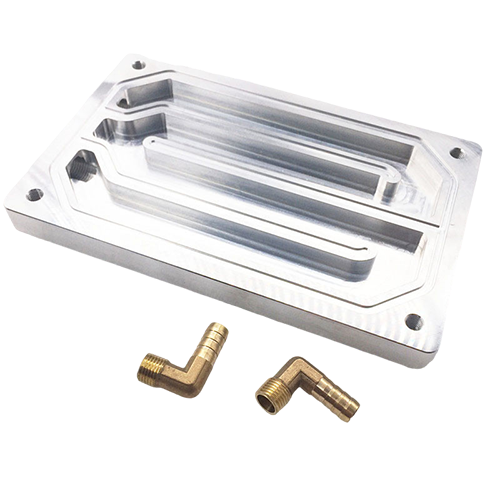
Beyond Cold Forged Heat Sinks, Jindu specializes in a full spectrum of precision thermal solutions, including Extruded Heat Sinks, Bonded Fin Heat Sinks, and advanced Liquid Cold Plates (Brazed and Friction Stir Welded), ensuring we can address virtually any thermal challenge.


Discovery & Requirements Analysis
We begin by thoroughly understanding your project's specific thermal needs, power dissipation characteristics, space constraints, and environmental considerations.
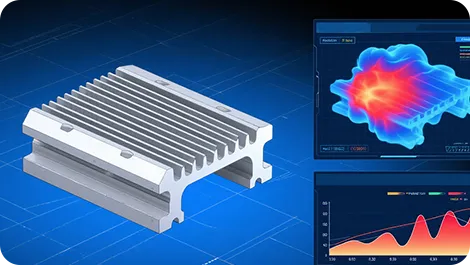

Custom Design & Thermal Simulation
Our expert engineers develop a highly optimized Cold Forged Heat Sink design, validated through advanced CAD modeling and comprehensive thermal simulations using ANSYS Fluent.
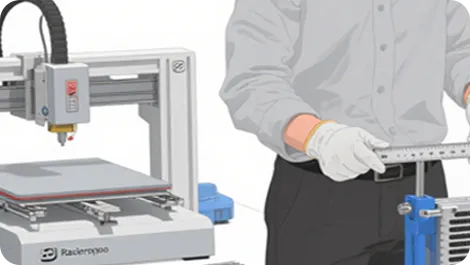

Prototyping & Validation
We rapidly produce high-quality prototypes for your evaluation, followed by rigorous in-house testing and the provision of actual test reports to confirm performance, reliability, and adherence to all specifications.
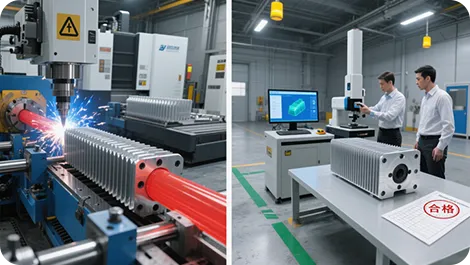

Precision Manufacturing & Quality Control
Leveraging our state-of-the-art cold forging capabilities and post-forging CNC precision, we proceed with efficient and precise manufacturing, with stringent quality checkpoints at every stage.


Delivery & Ongoing Support
We ensure on-time delivery of your optimized Cold Forged Heat Sinks and provide continuous technical support for seamless integration and long-term performance.