
Conduction
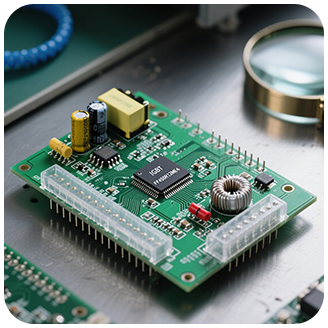
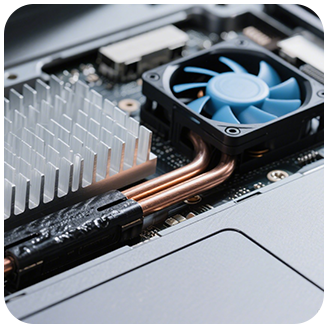
Heat is conducted from the electronic component into the base of the heat sink.

Conduction to Fins
The heat then conducts through the heat sink's base and into its fins.

Convection & Radiation
The extended surface area provided by the fins dramatically increases the contact area with the surrounding air. Heat is then dissipated into the air primarily through convection (natural or forced airflow) and to a lesser extent through radiation.
 Economical Manufacturing:The aluminum extrusion process is inherently efficient, allowing for continuous production of complex fin geometries at a relatively low cost per unit.
Mass Production Scalability:Our optimized "extrusion molding process" is specifically designed to support mass production volumes of up to 10,000+ pieces, significantly reducing costs for large orders.
Reduced Processing Time:The molding process allows for complex fin structures, which not only increases the radiating surface area but also reduces processing costs and time.
High Conductivity Materials:We utilize high thermal conductivity aluminum alloys (6061/6063), achieving a thermal conductivity of 200 W/mK. This ensures rapid and efficient heat transfer from the heat source.
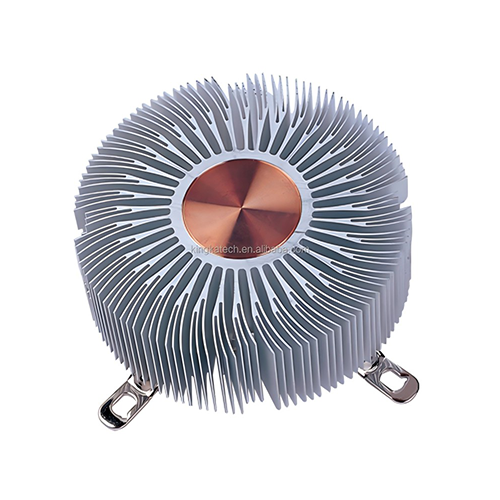
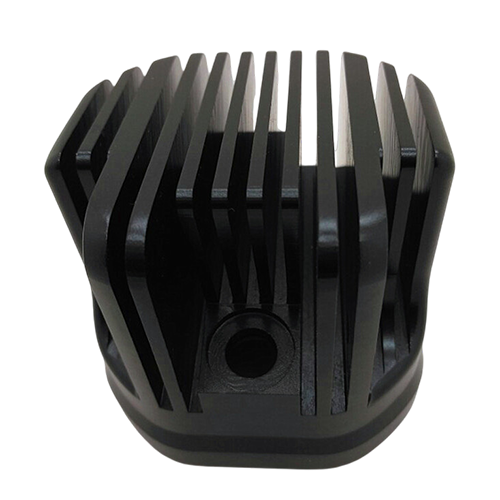
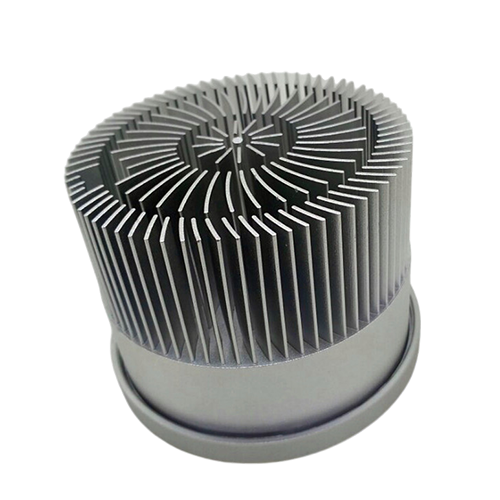
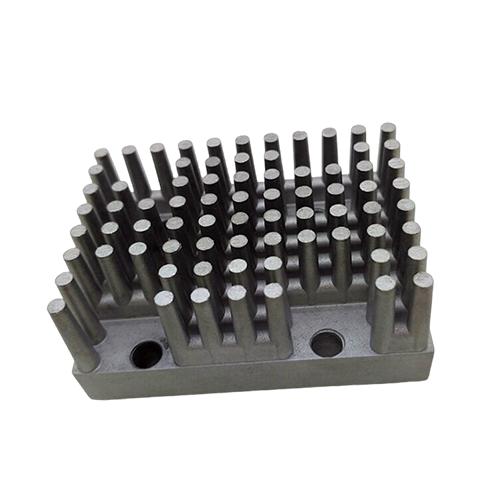
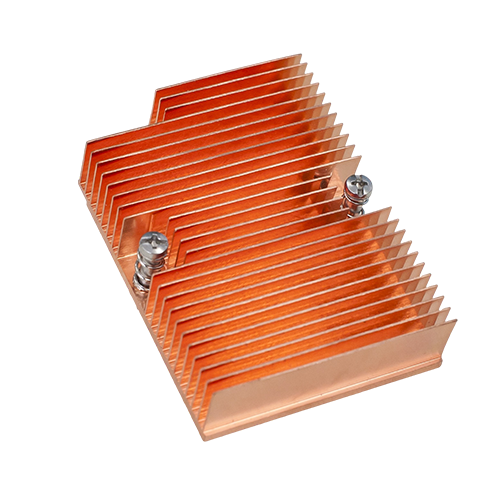
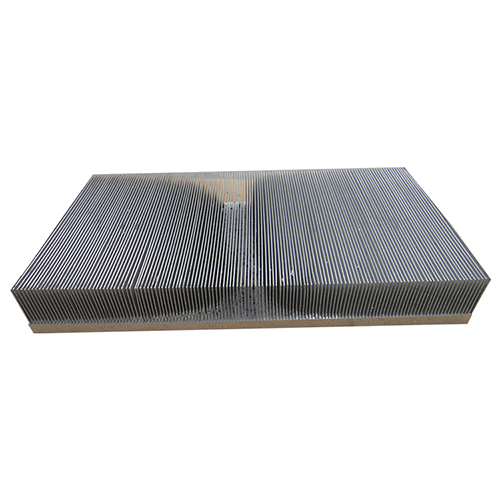
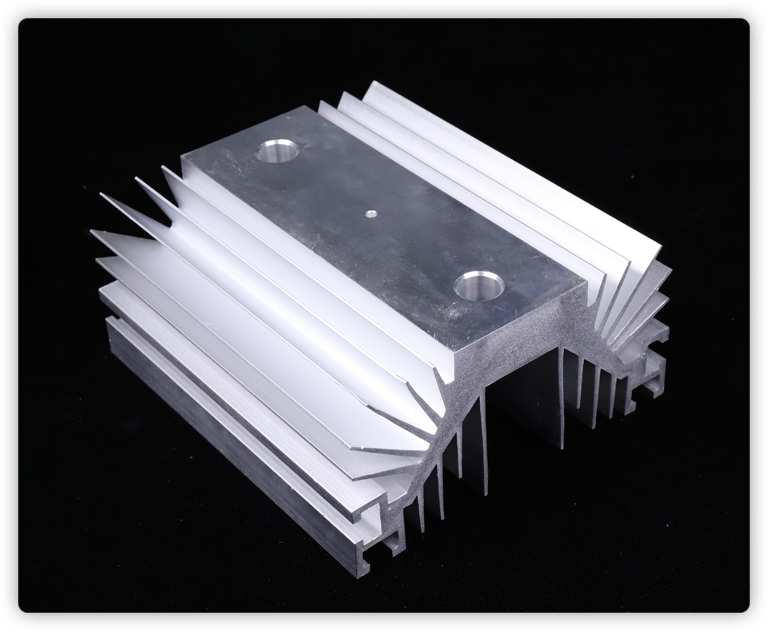
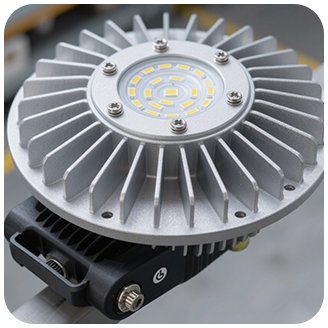
Optimized Fin Architectures:Our extruded heat sinks are designed with various fin structures, including fin-type, sunflower-type, and shovel-toothed type, allowing for increased radiating surface area and effective heat dissipation for requirements ranging from 10W to 500W.
Low Thermal Resistance:The seamless, monolithic construction of extruded heat sinks minimizes thermal resistance from the base to the fins, maximizing heat transfer efficiency.
Lightweight Construction:Fabricated from aluminum, our heat sinks offer an excellent strength-to-weight ratio, making them ideal for weight-sensitive applications while providing robust performance.
Durability & Corrosion Resistance:We support various surface treatments such as anodizing and sandblasting to enhance corrosion resistance, wear resistance, and overall aesthetics. Anodizing also improves heat radiation.
Beautiful Appearance:KINGKA's extrusion heat sinks are characterized by their "beautiful appearance", making them suitable for applications where aesthetics are important.

Tailored Profiles
The extrusion process allows for the creation of intricate and customized fin profiles, including high aspect ratio designs, that can be optimized for specific airflow conditions and space constraints. We offer various structures to meet diverse heat dissipation needs.

Precision Machining
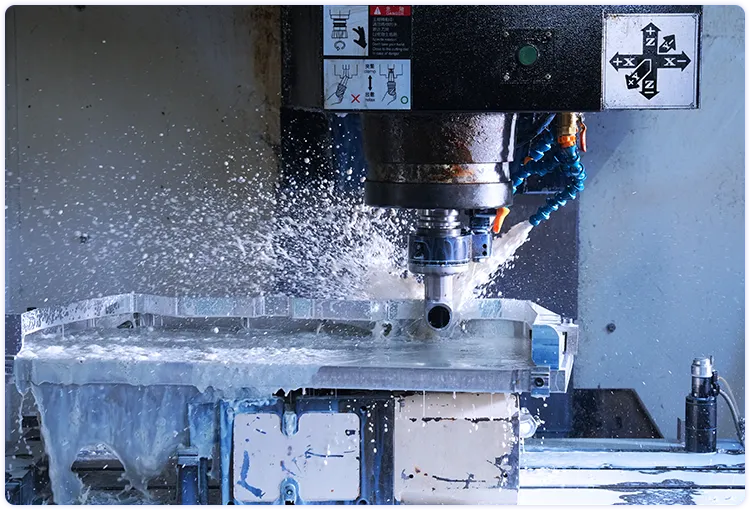
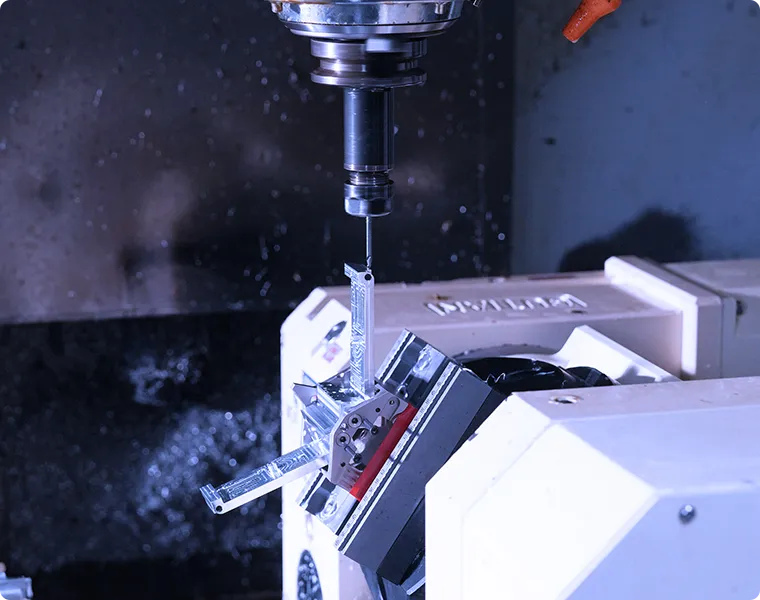
After extrusion, our heat sinks undergo CNC precision processing with a tolerance control of ±0.05mm, ensuring a perfect fit with the heat-generating components.

Integrated Features
Extrusion can integrate mounting features, channels, and complex geometries directly into the profile, simplifying assembly and improving mechanical stability.

Tailored Profiles
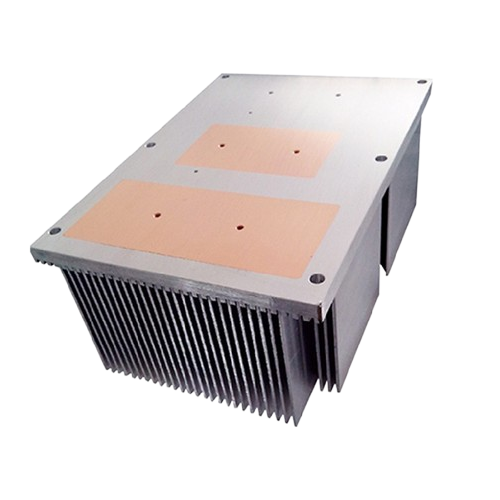
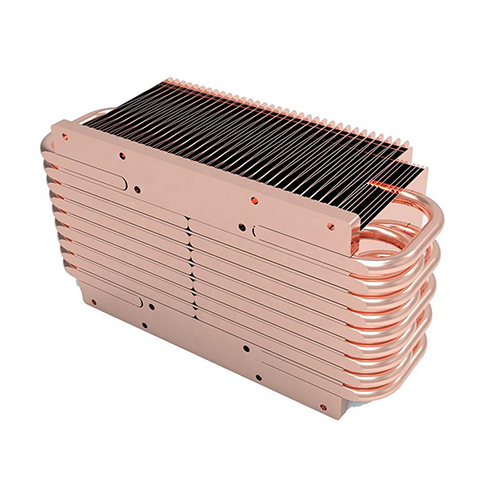
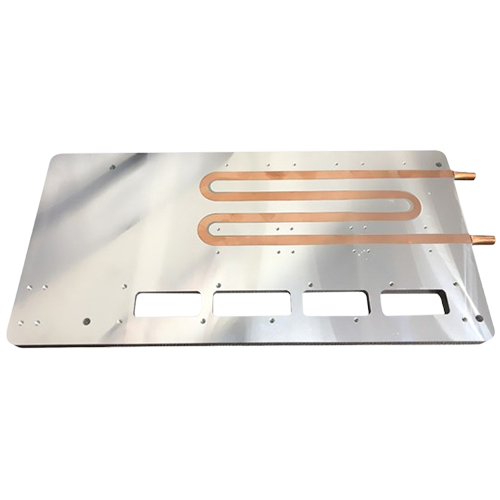
Our capability extends to easily attaching a copper base to the extruded aluminum fins, efficiently conducting thermal energy to the lighter, less expensive aluminum alloy cooling fins.
Material Selection
We primarily use high-grade aluminum alloys known for their excellent thermal properties and extrudability:
Aluminum Alloy 6063: Favored for its good thermal conductivity, machinability, and surface finish capabilities.
Aluminum Alloy 6061: Offers good strength and thermal properties.
Copper: Can be incorporated as a base for specific hybrid designs requiring extremely high thermal conductivity at the interface.
Manufacturing Precision
Our state-of-the-art facility integrates advanced manufacturing processes to ensure top-tier quality:
Automated Extrusion Lines: For efficient and consistent profile creation.
CNC Precision Machining: With over 50 sets of high-end CNC machines, we ensure the precise finishing of all features and mounting points with a tolerance of ±0.05mm.
Advanced Surface Treatments: Including anodizing, sandblasting, and potentially powder coating for enhanced performance and aesthetics.
Rigorous Quality Assurance
Every KINGKA heat sink undergoes stringent quality checks:
Thermal Simulation (ANSYS Fluent): We offer thermal simulation (ANSYS Fluent) + actual test reports to validate and optimize thermal performance before production.
Dimensional Inspection: Using accurate inspection equipment to ensure all critical dimensions meet specifications.
Visual Inspection: For aesthetic quality and surface finish integrity.

Anodizing
This is a widely adopted electrochemical process for aluminum heat sinks. It thickens the naturally occurring oxide layer on the surface, which provides several benefits:
Improved Corrosion Resistance: The thickened oxide layer offers excellent protection against corrosion, preventing discoloration and fading. Jindu supports anodizing to enhance corrosion resistance.
Enhanced Wear Resistance: Anodizing increases the surface hardness and wear resistance of the heat sink.
Increased Electrical Isolation: Depending on the film thickness and alloy used, anodizing can improve electrical isolation.
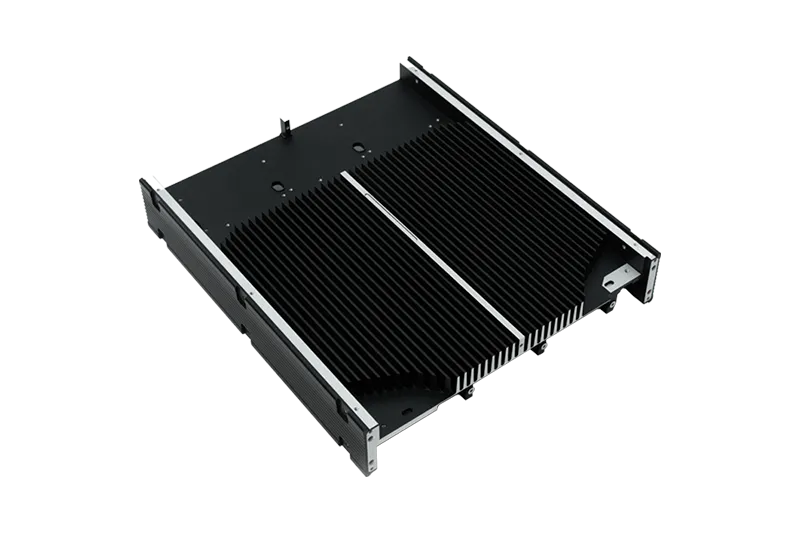
Improved Surface Emissivity: Anodizing, particularly black anodizing, can enhance the heat radiation properties of the surface, improving heat dissipation.
Aesthetics: Anodizing allows for various color dyes to be incorporated into the porous oxide layer, providing aesthetic appeal without affecting thermal performance. Jindu notes that anodizing contributes to the "beautiful appearance" of their heat sinks.




15 Years of Proven Expertise
With over a decade and a half in thermal management, we bring unparalleled industry knowledge and a track record of success, having proudly served global leaders like NVIDIA and ABB.

Integrated One-Stop Service
From initial consultation and custom design to advanced simulation (ANSYS Fluent), precision manufacturing, rigorous testing, and efficient mass production, Jindu offers a seamless, integrated process.

Rapid & Reliable Delivery
We offer a rapid 7-day sample cycle for quick validation, and our impressive 98% on-time delivery rate for mass production ensures your projects stay on schedule.

Unwavering Commitment to Quality
With over a decade and a half in thermal management, we bring unparalleled industry knowledge and a track record of success, having proudly served global leaders like NVIDIA and ABB.

Investing in the Future
From initial consultation and custom design to advanced simulation (ANSYS Fluent), precision manufacturing, rigorous testing, and efficient mass production, Jindu offers a seamless, integrated process.

Customer-Centric Partnership
We offer a rapid 7-day sample cycle for quick validation, and our impressive 98% on-time delivery rate for mass production ensures your projects stay on schedule.
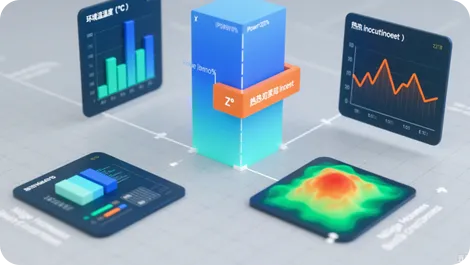

Discovery & Requirements Analysis
We start by understanding your project's specific thermal needs, power dissipation, and environmental factors.
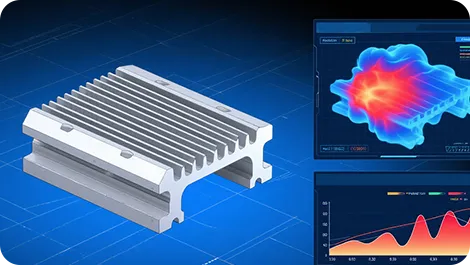
Custom Design & Simulation
Our engineers develop an optimized Extruded Heat Sink design, validated through advanced CAD modeling and comprehensive thermal simulations using ANSYS Fluent.
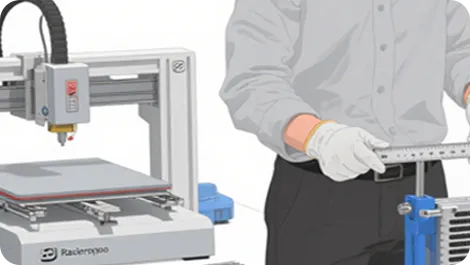
Prototyping & Validation
We rapidly produce prototypes for your evaluation and conduct rigorous testing to ensure the design meets all performance and reliability specifications.
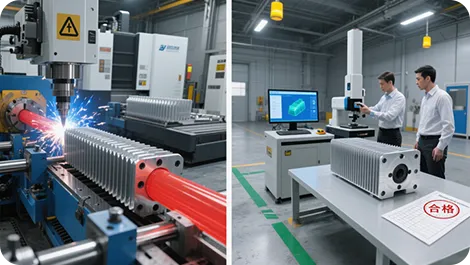
Manufacturing & Quality Control
Leveraging our extrusion and CNC capabilities, we proceed with precision manufacturing, with strict quality checkpoints at every stage.
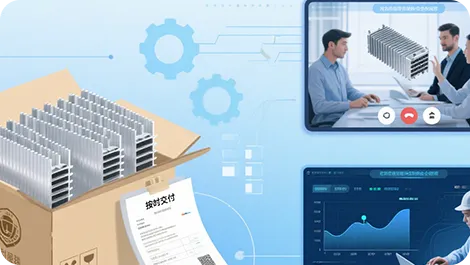
Delivery & Ongoing Support
We ensure on-time delivery of your high-quality Extruded Heat Sinks and provide continuous technical support for seamless integration and long-term performance.