

Evaporation
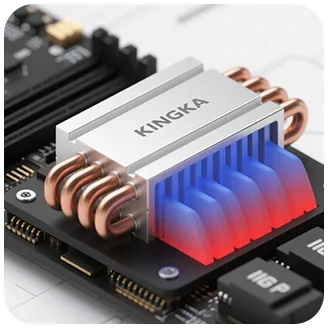
When heat is applied to the "evaporator" section (the hot end) of the heat pipe, the working fluid rapidly vaporizes due to the vacuum.

Vapor Flow
This phase change creates pressure, driving the vapor rapidly to the cooler "condenser" section of the heat pipe.

Condensation
At the condenser, the vapor releases its latent heat and condenses back into liquid.

Liquid Return
The liquid then returns to the hot evaporator section via capillary action through the wick structure, completing the cycle.
 Eliminate Hot Spots: Heat pipes excel at quickly absorbing and spreading highly localized heat from concentrated sources, effectively transforming hot spots into a larger, more uniform thermal footprint.
Exceptional Heat Transfer Capacity: Their heat transfer capacity can be over 1,000 times greater than copper tubes of the same size and weight, making them ideal for high-power components.
Superior Thermal Resistance: Compared to solid aluminum or copper heat sinks, which might achieve thermal resistance of 0.04℃/W, heat pipe heat sinks can reach as low as 0.01℃/W, indicating significantly better cooling.
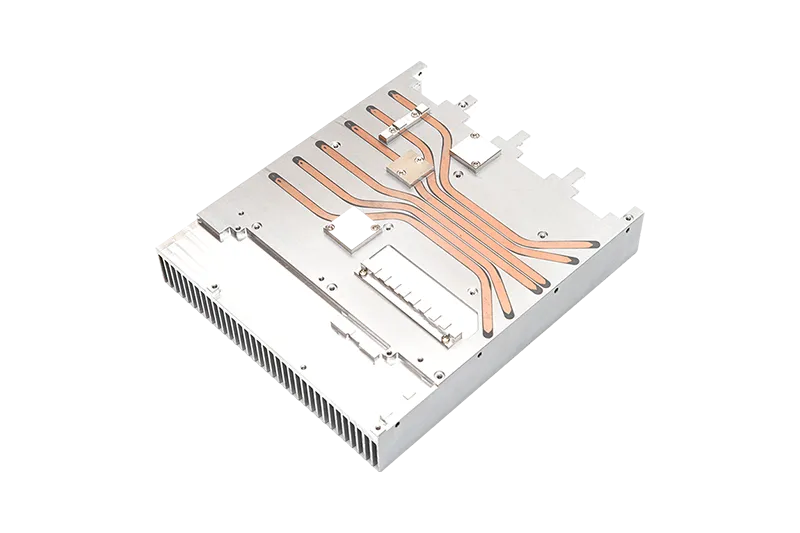
Overcoming Space Constraints: Heat pipes can efficiently transfer heat over significant distances, allowing the heat sink's fin array to be placed remotely from the heat source in areas with better airflow or more space.
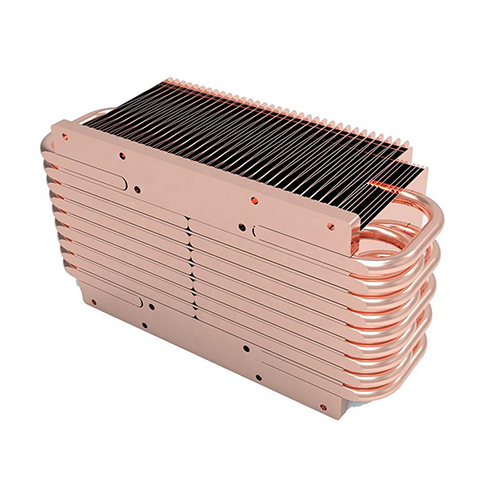
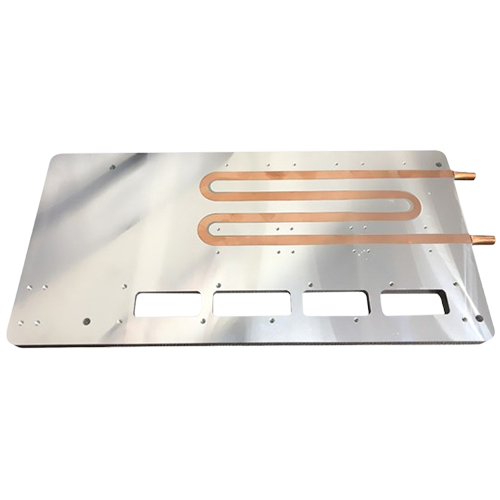
Customizable Layouts: Heat pipes can be flattened, bent, and strategically integrated into various heat sink designs to fit complex mechanical layouts and optimize thermal pathways.
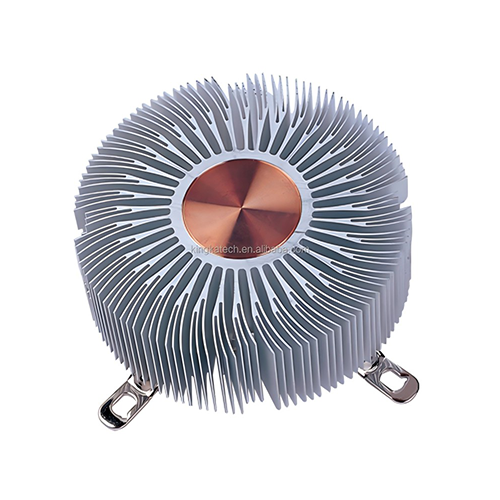
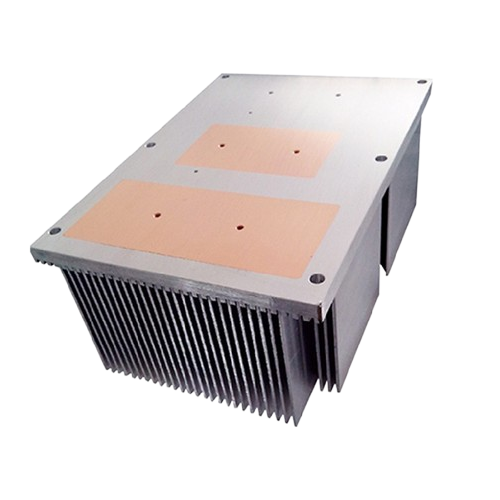
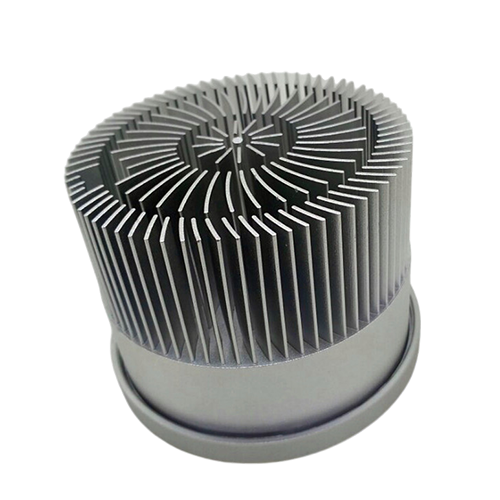
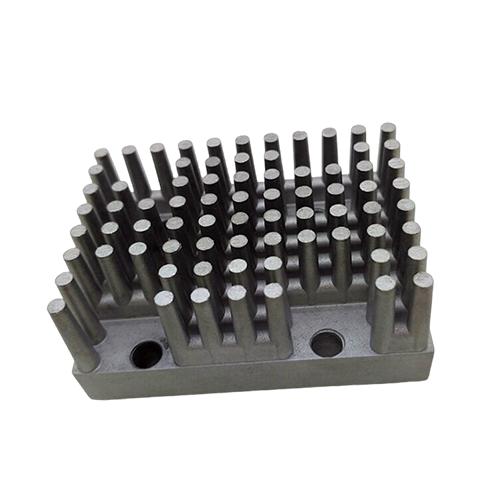
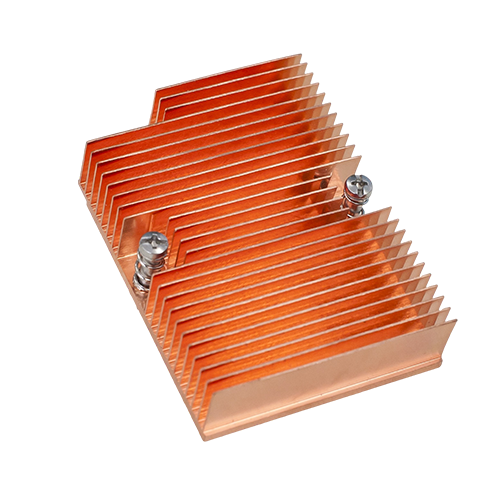
Adaptable Fin Structures: We can integrate heat pipes with various fin designs, including fin-type, sunflower-type, and shovel-toothed type, adapting to diverse heat dissipation requirements ranging from 10W to 500W.
Passive & Robust: Heat pipe heat sinks operate passively with no moving parts, ensuring high reliability and a long lifespan. They don't require external power or special maintenance.
Good Isothermal Performance: They maintain a very small temperature gradient between the evaporation and cooling sections, ensuring uniform heat dissipation.
Enhanced Component Lifespan: By keeping critical components cooler, heat pipe heat sinks directly contribute to increased device reliability and extended operational life.
Material Expertise
We select the ideal materials for each component to maximize performance:
Heat Pipes: Typically made from copper for excellent thermal conductivity, with various wick structures (sintered, micro-groove, compound) and working fluids (e.g., de-ionized water, methanol) to match application temperature ranges.
Base & Fins: Utilizing high thermal conductivity aluminum alloys (6061/6063) or copper materials, our thermal conductivity reaches 200 W/mK. This ensures efficient heat absorption from the source and effective dissipation into the air.
Advanced Manufacturing & Integration
Our state-of-the-art facility ensures precise manufacturing and seamless heat pipe integration:
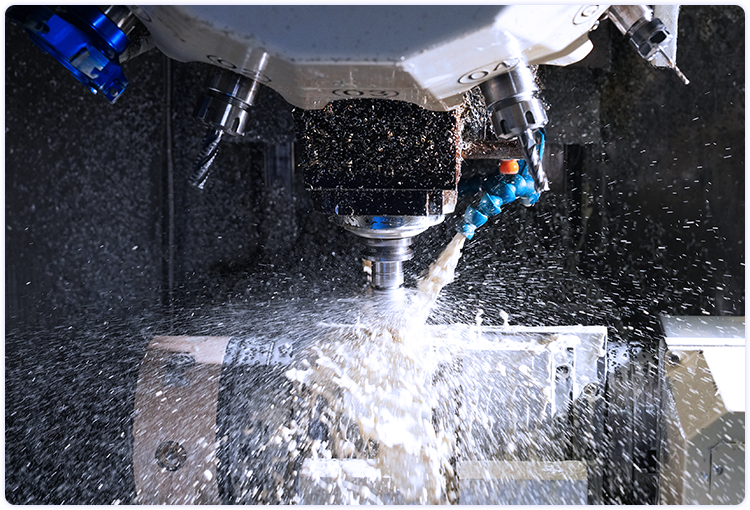
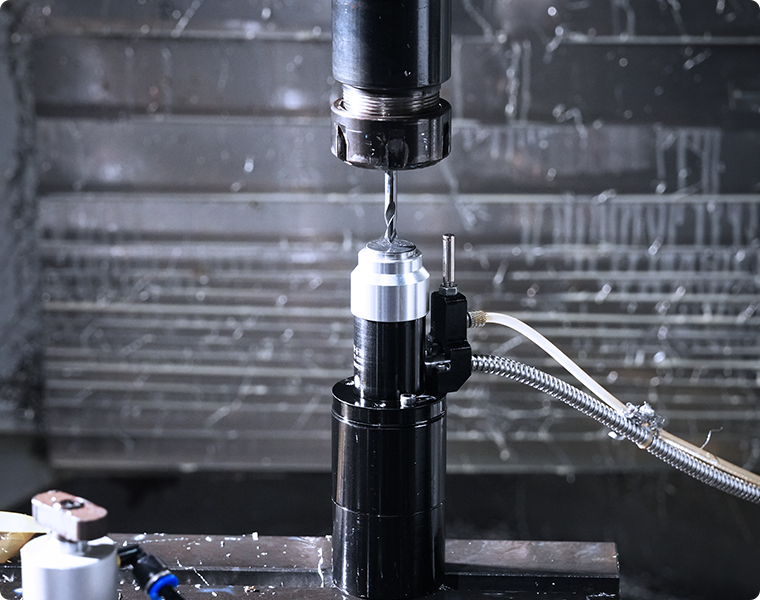
Precision CNC Machining:With over 50 sets of high-end CNC machines, we achieve ±0.05mm tolerance control for heat sink bases and precise fin geometries, ensuring perfect contact with heat pipes and heat sources.
Expert Soldering & Assembly:KINGKA has invested in soldering capabilities, a critical process for creating strong, low-thermal-resistance bonds between heat pipes and the heat sink base or fins. Complex Fin Integration:We master various fin manufacturing methods (e.g., skived, stamped & zipped) to create the optimal surface area for heat dissipation.
Surface Treatments: We support anodizing and sandblasting to enhance corrosion resistance, wear resistance, and overall appearance.
Rigorous Quality Assurance
Every KINGKA Heat Pipe Heat Sink undergoes comprehensive testing and validation:
Thermal Simulation (ANSYS Fluent): Our one-stop testing service includes thermal simulation to predict and optimize performance under various operating conditions.
Actual Test Reports: We provide actual test reports to confirm the thermal performance and reliability of our solutions.
Dimensional Accuracy: Strict dimensional quality control ensures perfect fit and thermal contact.

Common Surface Treatment Methods
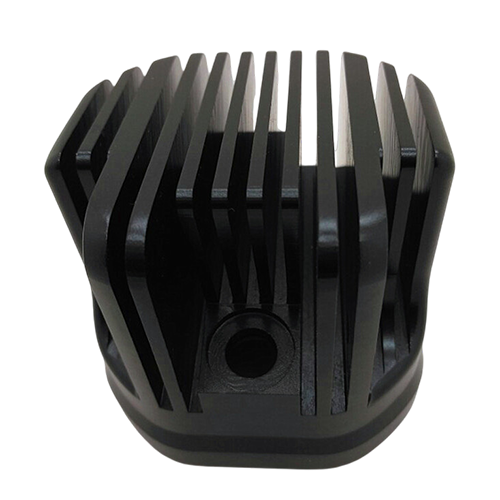
Anodizing: This is a widely used electrolytic passivation process, especially for aluminum heat sinks. It increases the thickness of the natural oxide layer on the aluminum surface. Anodizing, including black or clear options, improves emissivity (the ability to radiate heat), enhances corrosion resistance, and increases wear resistance. Hard anodizing is also available for high-temperature applications.
Sandblasting: This mechanical finish involves propelling abrasive materials against the surface to create a textured finish. Jindu utilizes sandblasting for their heat pipe heat sinks.
Chromate Conversion Coating (Chemfilm/Iridite/Alodyne): This type of conversion coating is applied to passivate aluminum or copper. It serves as a corrosion inhibitor and helps prevent metal tarnishing. These coatings are available in clear and yellow finishes.

Common Surface Treatment Methods
Plating: For copper heat sinks, plating with various metals and alloys is common.
Powder Coating and Paint: These methods involve applying a protective and decorative layer to the heat sink. Powder coating is electrostatically applied as a dry powder, while paint (both gloss and flat finishes) can offer high emissivity.
Other Mechanical Finishes: Beyond sandblasting, other mechanical surface preparation methods include cleaning, degreasing, etching, deburring, buffing, and brushing.
Cleaning and Degreasing: Essential initial steps to remove contaminants before further surface treatments.
Deburring: A finishing process to remove rough edges.


Review Text
Electric Vehicle Electronic Control Units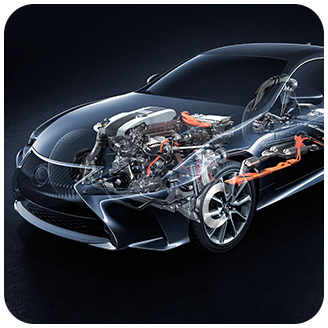

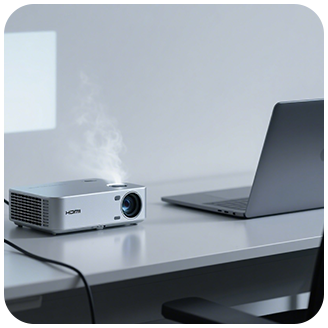

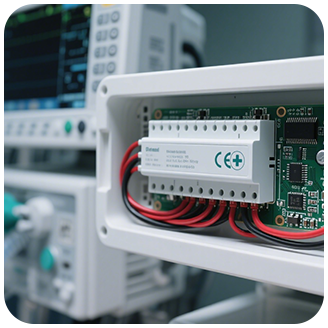

15 Years of Proven Expertise
With over a decade and a half in thermal management, we bring unparalleled industry knowledge and a track record of success, having proudly served global leaders like NVIDIA and ABB.

Integrated One-Stop Service
From initial consultation and custom design to advanced simulation (ANSYS Fluent), precision manufacturing, rigorous testing, and efficient mass production, Jindu offers a seamless, integrated process.

Rapid & Reliable Delivery
Our rapid 7-day sample cycle allows for swift design validation, and our impressive 98% on-time delivery rate for mass production ensures your projects stay on schedule.

Unwavering Commitment to Quality
Our dedication to the highest quality standards is underlined by our IATF16949 certification, with ISO14001 and ISO13485 certifications actively in progress.

Investing in the Future
We are continuously expanding our capabilities. Our planned relocation to a new, twice-expanded factory in 2026, equipped with state-of-the-art new production lines, will significantly enhance our capacity and technological advancements.

Comprehensive Core Capabilities
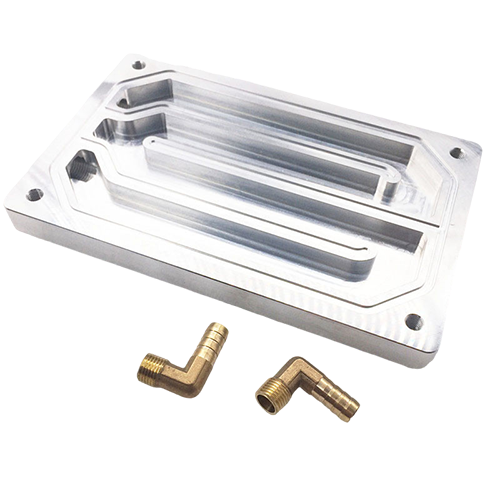
Beyond Heat Pipe Heat Sinks, Jindu offers a full spectrum of thermal solutions, including Extruded Heat Sinks and Liquid Cold Plates (Brazed, FSW), ensuring we can address virtually any thermal challenge.
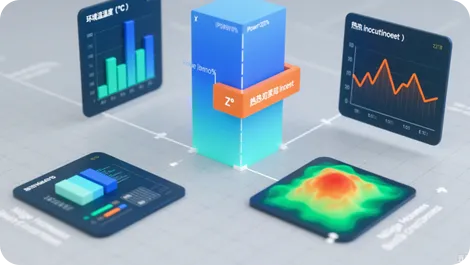

Discovery & Requirements Analysis
We collaborate closely to understand your project's specific thermal needs, power dissipation, space constraints, and environmental considerations.
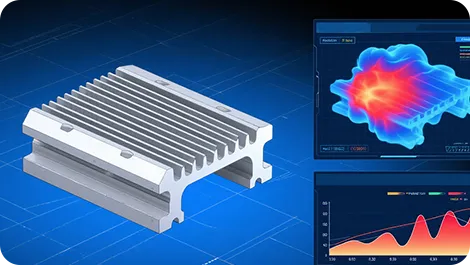

Custom Design & Simulation
Our expert engineers develop a tailored Heat Pipe Heat Sink design, validated through advanced CAD modeling and comprehensive thermal simulations using ANSYS Fluent.
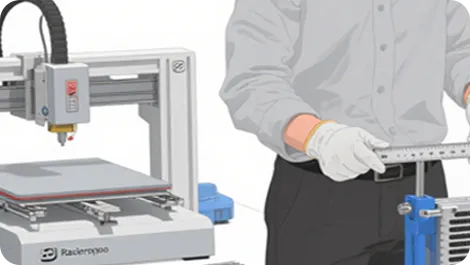

Prototyping & Validation
We rapidly produce high-quality prototypes for your evaluation, followed by rigorous testing and actual test reports to confirm performance, reliability, and adherence to all specifications.
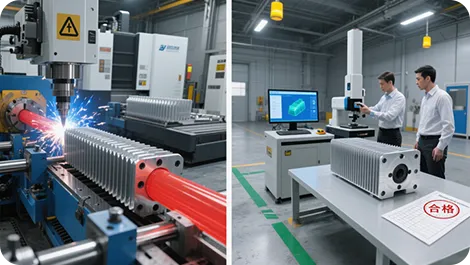

Manufacturing & Quality Control
Leveraging our precision CNC machining, heat pipe integration (soldering), and strict quality checkpoints, we proceed with efficient and precise manufacturing.
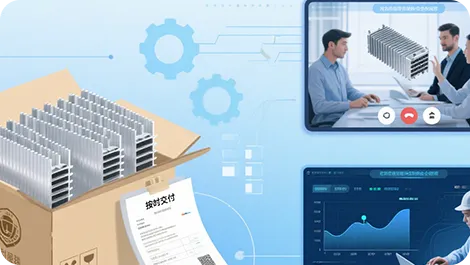

Delivery & Ongoing Support
We ensure on-time delivery of your optimized Heat Pipe Heat Sinks and offer continuous technical support for seamless integration and long-term performance.