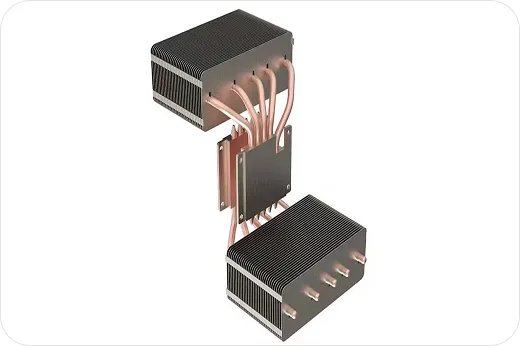
Custom Heat Sink Solutions

context: From Skived Fins to Heat Pipe Assemblies. We provide end-to-end air cooling solutions—offering thermal simulation, prototyping, and mass production for high-performance electronics.

What is a Heat Sink?

What Is A Heat Sink? In high-performance electronics, efficient thermal management is the key to reliability and longevity. A heat sink is a passive heat exchanger that transfers the heat generated by an electronic or mechanical device to a fluid medium, often air or a liquid coolant, where it is dissipated away from the device.

At JINDU, we don’t just manufacture metal parts; we provide system-level cooling solutions. Whether it’s for telecommunications, automotive, or medical devices, our heat sinks are designed to maintain optimal operating temperatures, preventing overheating and ensuring your equipment performs at its peak.

Our Heat Sink Manufacturing Processes

At Jindu, we offer a comprehensive portfolio of thermal manufacturing technologies. From standard extrusions to high-performance composite assemblies, we utilize the specific process that best matches your thermal performance targets, spatial constraints, and budget.

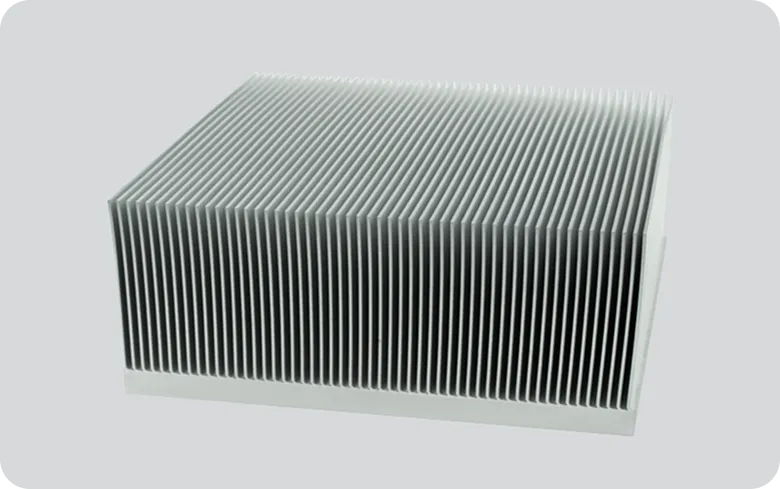
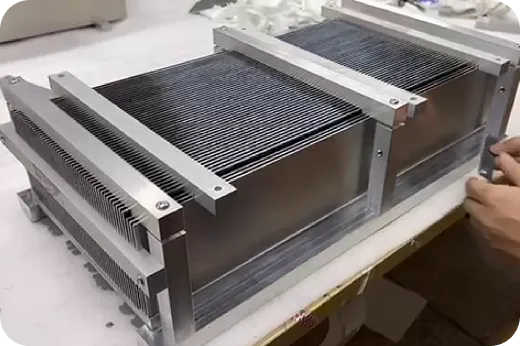
Skiving fin process

We utilize advanced skiving technology to slice thin fins directly from a solid block of aluminum or copper. This process creates a heat sink with a high fin density and a one-piece structure.

Extrusion Process

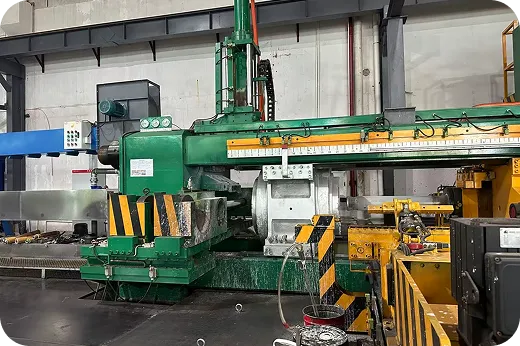
The most common and cost-effective method for manufacturing aluminum heat sinks. Hot aluminum is pushed through a die to create the desired profile.

Bonded Fin Process

This process involves bonding individual fins into grooves machined on a base plate using a high-conductivity thermal epoxy or brazing resin.

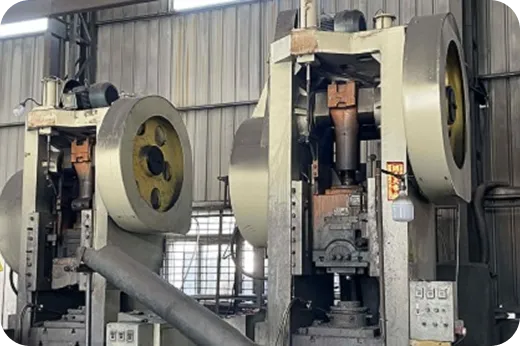
Cold forging process

Cold forging involves pressing raw metal into a die under high pressure at room temperature to form the heat sink shape, typically with pin fins or elliptical fins

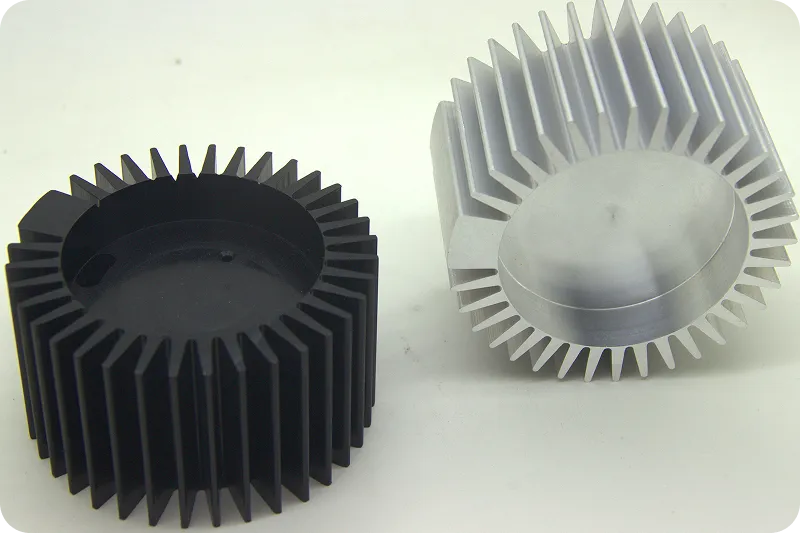
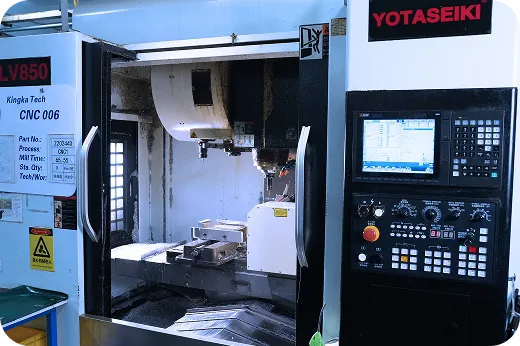
CNC machined

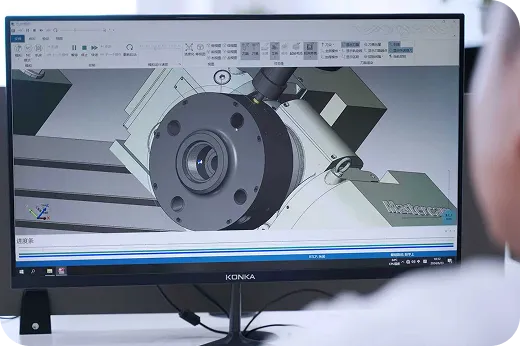
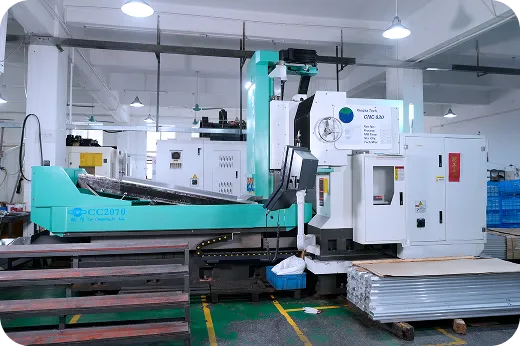
We utilize high-precision CNC machining centers to mill complex geometries directly from aluminum or copper blocks. This process ensures the tightest tolerances and smoothest surface finishes for critical mounting interfaces.

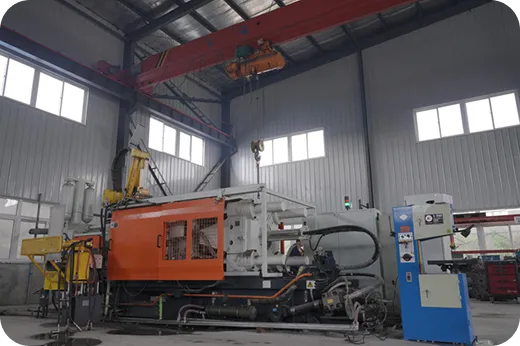
Die Casting Heat Sinks

Molten metal (typically Aluminum or Zinc) is injected into a mold under high pressure. This is the go-to process for complex 3D shapes.

Zipper Fin Heat Sinks

Zipper fins are stamped from sheet metal and folded into an interlocking geometry. These lightweight fin stacks are then typically soldered or bonded to a metal base to create a high-performance assembly.

Industry Applications

Serving Critical Industries Our thermal solutions are trusted in the most demanding sectors:


Telecommunications

5G Base stations and network equipment.
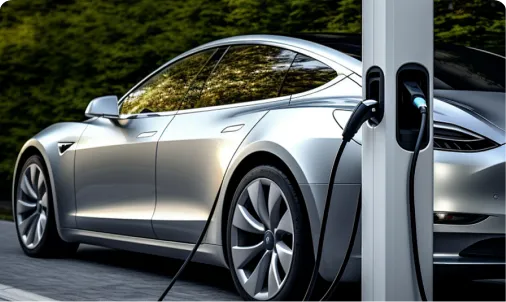
Automotive

EV battery cooling and power electronics (IATF 16949 Standard).
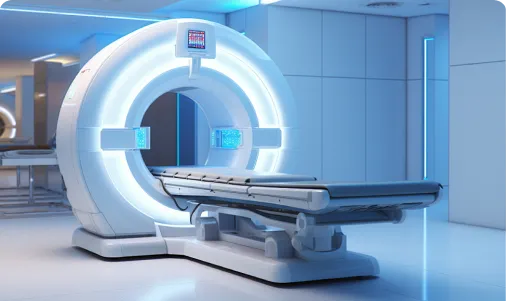
Medical Devices

Precision cooling for imaging and diagnostic equipment.
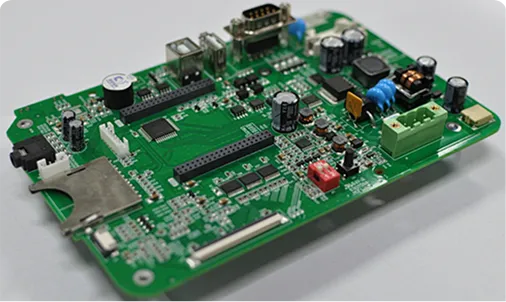

Power Electronics

 Inverters, converters, and IGBT modules.

Aerospace

Lightweight and high-reliability thermal components.

How We Design Your Heatsink?

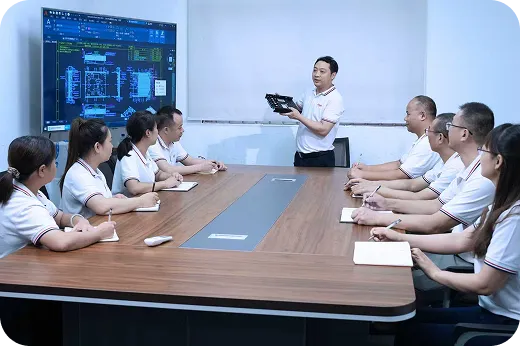
From Concept to Optimization:Our Design Process At JINDU, we are not just a manufacturer; we are your thermal engineering partner. We utilize our rich machining experience to provide mechanical design suggestions that optimize performance and cost.

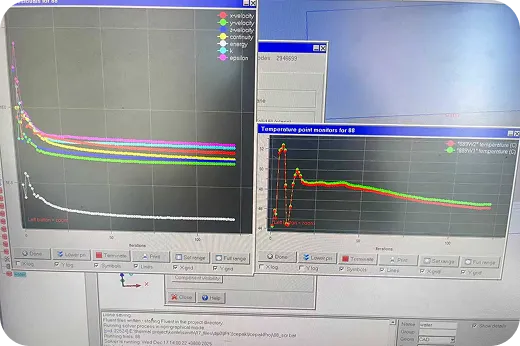
Step 1: Thermal Simulation & Analysis

Before cutting any metal, our R&D team performs advanced thermal simulation. We analyze airflow speed, pressure drop, and heat distribution to predict how the heatsink will perform in your specific environment.

Step 2: DFM (Design for Manufacturing)

We review your design to ensure it is feasible for mass production. Whether it's selecting the right fin density for Skiving or optimizing tool paths for CNC machining, we help you reduce waste and production time.

Step 3: Material & Process Selection

Based on your thermal targets (Watts) and budget, we recommend the best material (AL6063, Copper) and process (Extrusion, Skiving, or Soldering) to achieve the best thermal resistance.

How We Test Heatsink Performance?

Ensuring Reliability Through Rigorous Testing: Quality is in the details. JINDU is equipped with accurate inspection and testing equipment to ensure every heatsink meets your specifications.

Heat Dissipation Analysis

We conduct real-world thermal testing to validate the simulation data, ensuring the heatsink effectively dissipates the required heat load.

Dimensional Precision Check

Using high-precision CMM (Coordinate Measuring Machines), we verify that critical tolerances are within ±0.005mm, ensuring a perfect fit with your PCB or device.

Material Verification

We test the raw material composition to ensure high thermal conductivity and compliance with RoHS/Reach standards.

How to Select The Right Heat Sink?


Determine Heat Load

Calculate the power (Watts) your device generates.

Space Constraints

Check the available volume (L x W x H) in your system.

Cooling Method

Decide between Natural Convection, Forced Air (Fan), or Liquid Cooling based on power density.

Consult Jindu

 Send us your requirements, and our engineers will recommend the best process (e.g., Skiving for high density, Liquid Plate for high power).

FAQ

Liquid cooling (Cold Plates) is recommended for high-wattage components (like IGBTs or EV batteries) where air cooling cannot maintain safe temperatures within the available space.

Skiving allows for thinner fins and higher density than extrusion, offering better thermal performance for the same volume.

Yes. We offer comprehensive thermal simulation and mechanical design suggestions to ensure your thermal solution is optimized for your specific application.

Any Question?
Write Down And Send Us