
Custom liquid cold plates solutions

Context: From friction stir welding (fsw) to vacuum brazing. We engineer robust liquid cold plates that manage extreme heat loads for evs, igbts, and data centers.

What is a liquid cold plate?

At jindu, We specialize in “contact cooling.” Our cold plates utilize high-conductivity materials (copper/aluminum) and optimized internal flow paths to achieve heat dissipation efficiencies 5-10 times higher than air cooling. Whether for new energy vehicles (nevs) or 5g base stations, our solutions ensure your critical components stay within safe operating temperatures.

What is a liquid cold plate? As electronic devices shrink in size but grow in power, Traditional air cooling often hits its limit. A liquid cold plate is a high-efficiency heat exchanger that transfers heat from a heat source (like a battery or cpu) to a liquid coolant that flows through internal channels.

Our liquid cold plate manufacturing processes

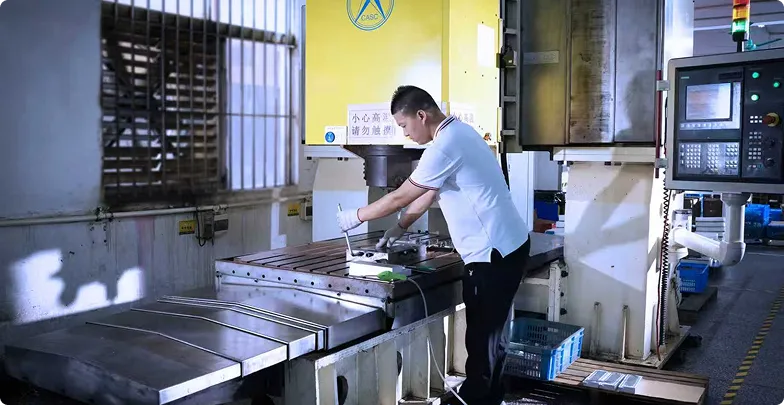
At jindu, we specialize in high-performance liquid cooling solutions. We have invested in advanced manufacturing equipment—including friction stir welding (fsw) and brazing machines—to offer the optimal process for your specific thermal requirements, pressure limits, and budget.

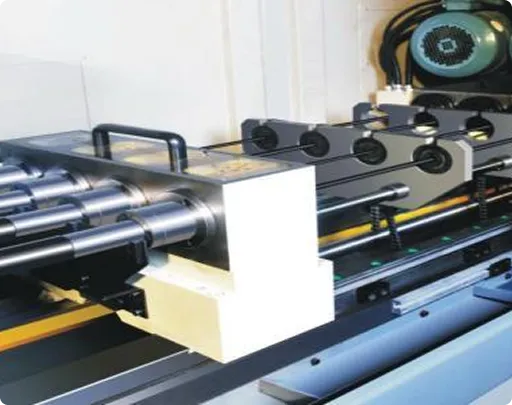
Deep drilling process

This process involves drilling long, straight flow paths directly into a solid metal plate to create the cooling channels.

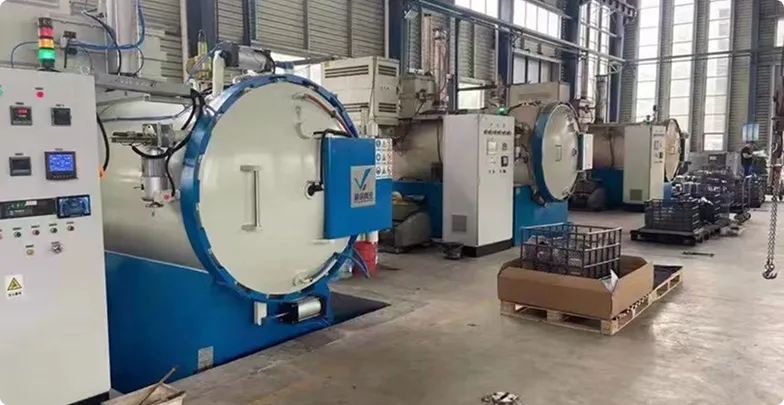
Brazing process (vacuum brazing)

Brazing is the premier choice for high-performance liquid cooling. We use a filler metal to join layers of the cold plate (and often internal fins) in a vacuum furnace.

Extrusion process

For cost-sensitive projects requiring mass production, we utilize extruded aluminum profiles to form the liquid channels..

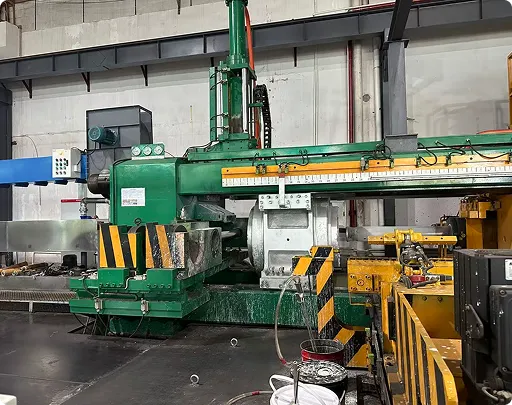
FSW process (Friction stir welding)

Friction stir welding is a solid-state joining process that is critical for automotive and high-pressure applications.

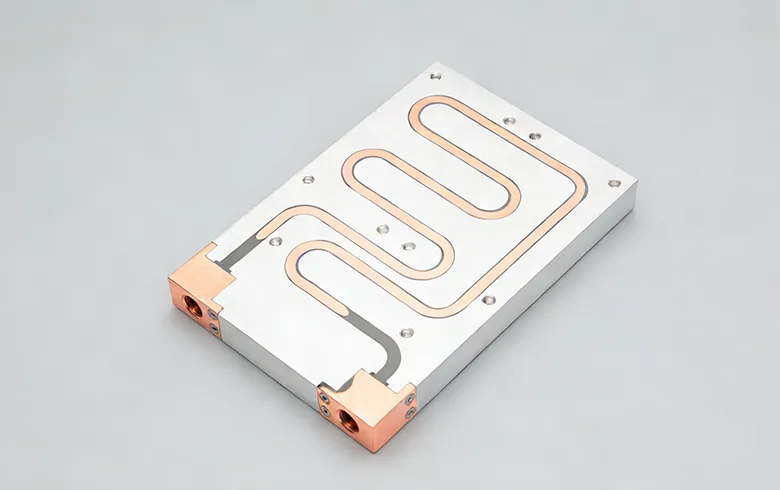
Copper tube process (tube embedded)

This is a reliable and cost-effective method that combines the thermal performance of copper with the lightweight properties of aluminum.

Quality control in the manufacturing of liquid cooling plates

We strictly control every step from raw material selection to final delivery to ensure the highest thermal performance and reliability.

Applications We Serve

New energy vehicles (EV)

Battery pack cooling and on-board chargers (OBC).
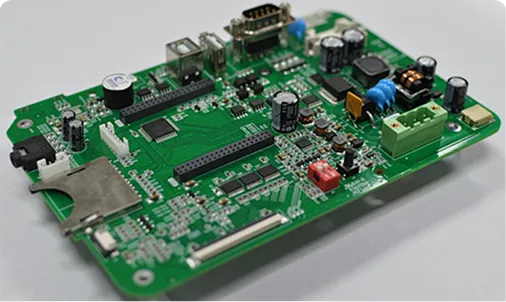
Power electronics

Cooling for IGBTs, Thyristors, and Inverters.

Telecommunications

5G Remote Radio Units (RRU) and Base Station cooling.
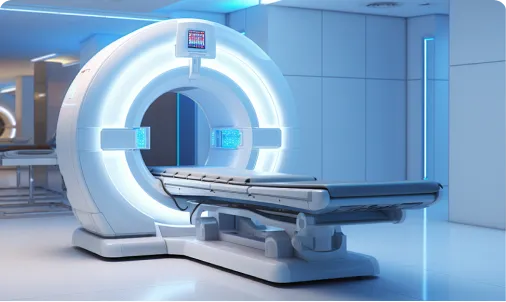
Medical devices

Precision temperature control for MRI and Laser equipment.

Data centers

Liquid cooling for high-density Server Racks and AI Processors.
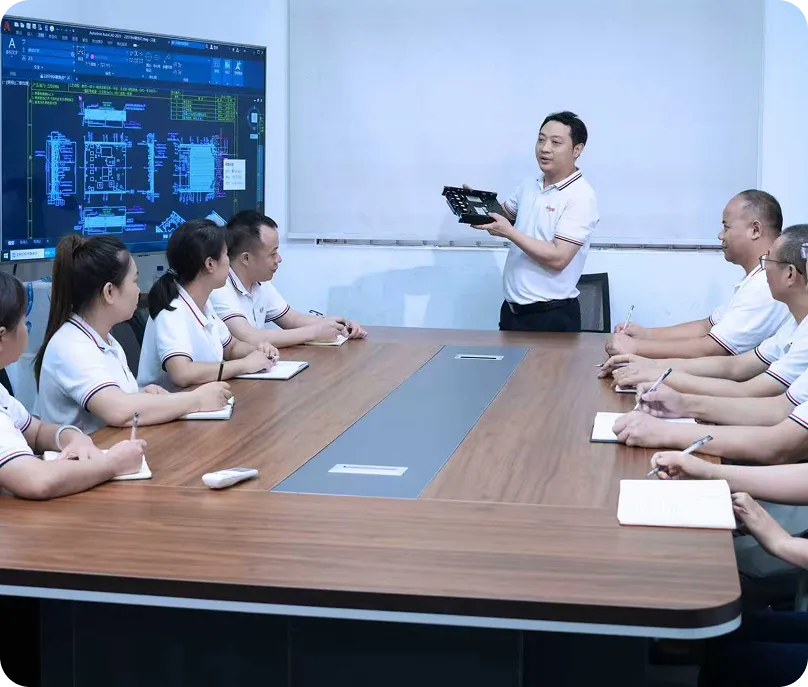

How we design your liquid cold plate?

Engineering the perfect flow: Custom liquid cooling design designing a liquid cold plate requires balancing thermal performance with hydraulic pressure drop. Jindu’s technical team provides end-to-end design support.

Step 1: Flow path optimization

We design complex internal channels to ensure uniform temperature distribution across the contact surface. Our engineers calculate the optimal flow rate to minimize pressure drop while maximizing heat transfer.

Step 2: Thermal & hydraulic simulation

Using CFD (Computational Fluid Dynamics) software, we simulate the liquid flow and heat exchange process. This allows us to identify "hot spots" and "dead zones" in the design and correct them before prototyping.

Step 3: Structural integrity design

For FSW (Friction Stir Welding) plates, we design the joint geometry to withstand high internal pressures, ensuring the plate remains robust under the stress of EV battery packs or power electronics.

How we test liquid cold plates?

Zero leakage guarantee: Our testing protocol for liquid cooling, reliability is everything. Jindu performs comprehensive testing to prevent leakage and ensure safety.

Air tightness test

This is our most critical step. We perform 100% air tightness testing on every cold plate to detect even the microscopic leaks. We use high-pressure air or helium detection to guarantee the seal integrity of fsw and brazed joints.

Liquid pressure testing

We subject the plates to liquid pressure higher than the operating standard (burst pressure test) to ensure they can withstand system surges without failure.

hermal performance verification

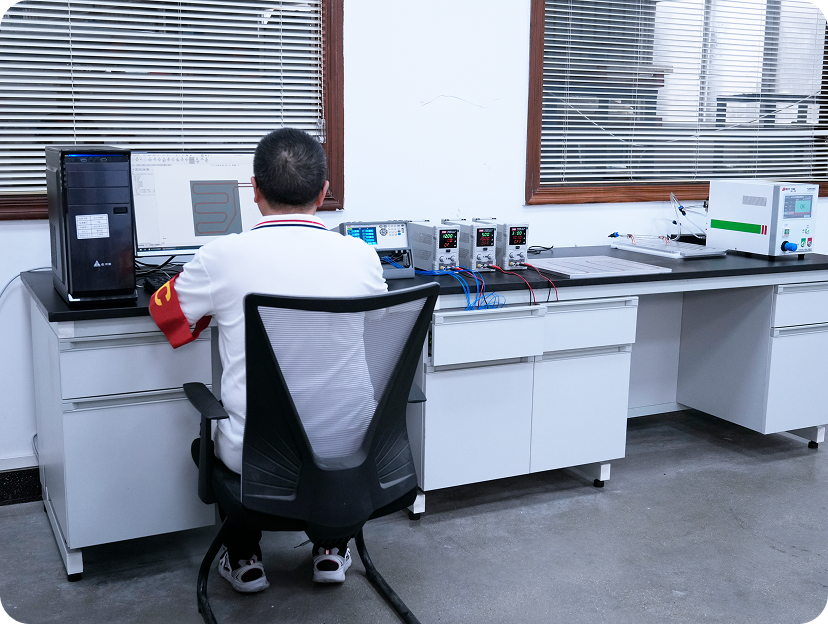
We simulate the actual heat load and coolant flow rate in our lab to verify that the thermal resistance meets the design requirements.

Faqs for liquid cold plates

FSW is typically more cost-effective for larger, simpler channels and offers superior mechanical strength. Brazing is better for compact plates requiring complex internal fins for maximum heat transfer. Contact our engineers for a recommendation.

Yes, we provide a complete assembly service, including installing connectors, fittings, and thermal interface materials (TIM).

With our extensive CNC and FSW equipment, we can handle large-format cold plates suitable for battery packs. Please send us your drawings for evaluation.

Any Question?
Write Down And Send Us