Extruded Heat Sinks

Jindu Extruded Heat Sinks: Efficient Cooling

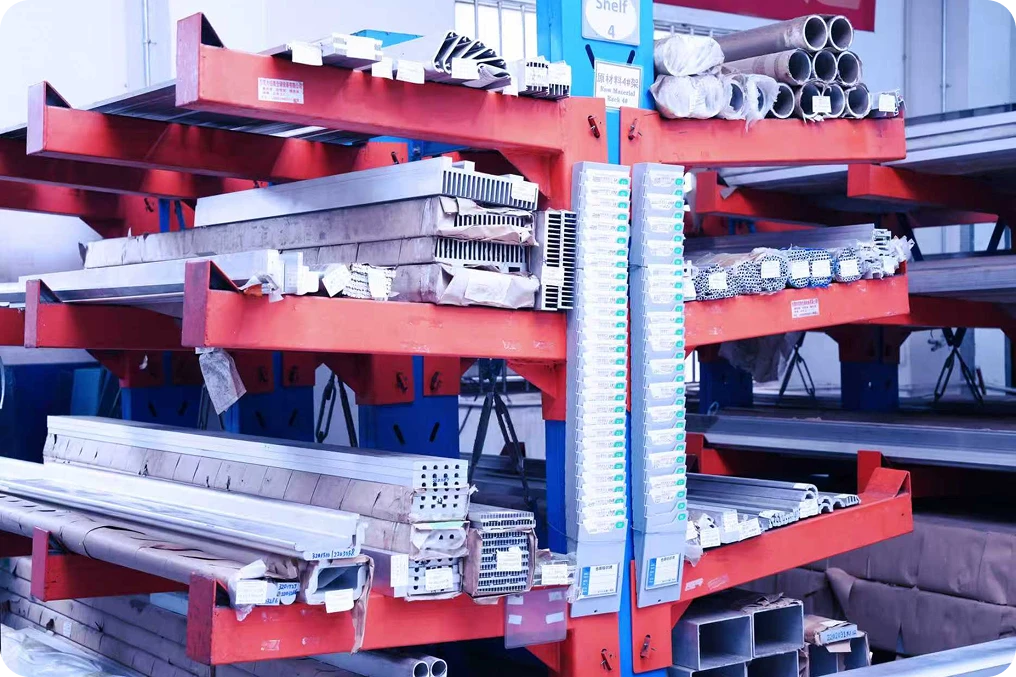
Jindu’s Extruded Heat Sinks provide efficient, cost-effective cooling for electronics, from consumer devices to industrial systems. Using advanced extrusion processes, we craft heat sinks with precision, ensuring optimal heat dissipation and component longevity. Our streamlined manufacturing delivers scalable, high-performance solutions tailored to diverse applications.

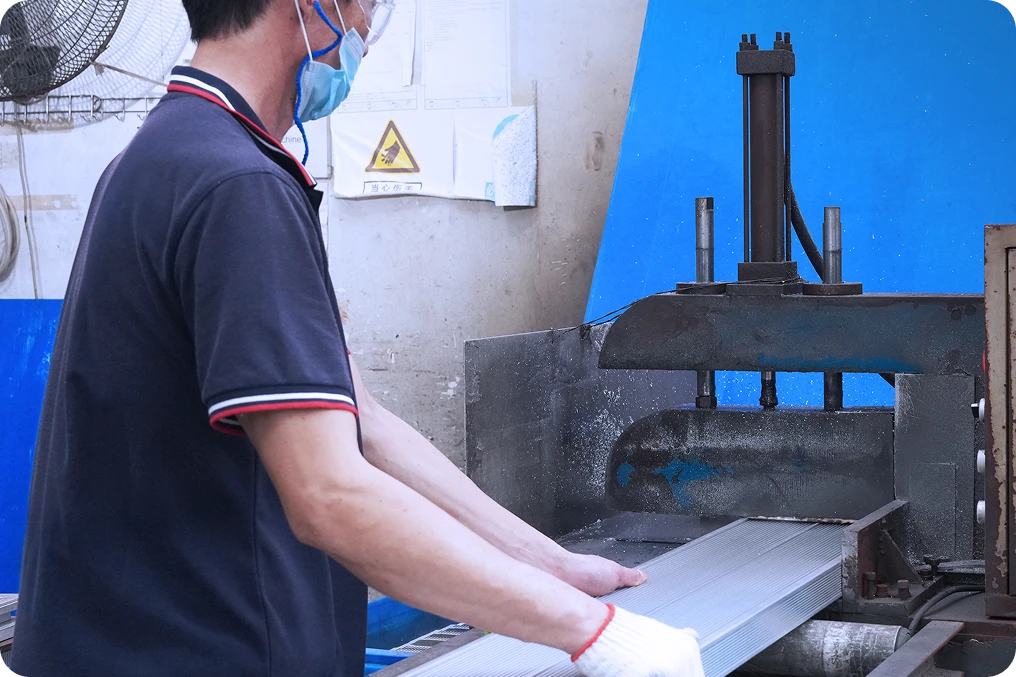
With over 15 years of expertise, Jindu produces heat sinks through aluminum extrusion, followed by precision cutting and surface treatments like anodizing for enhanced thermal efficiency and durability. Our customizable designs meet specific thermal needs while maintaining cost-effectiveness for high-volume production, making Jindu a trusted partner in thermal management.

The Foundation of Passive Cooling: Understanding Extruded Heat Sinks

What is an Extruded Heat Sink?

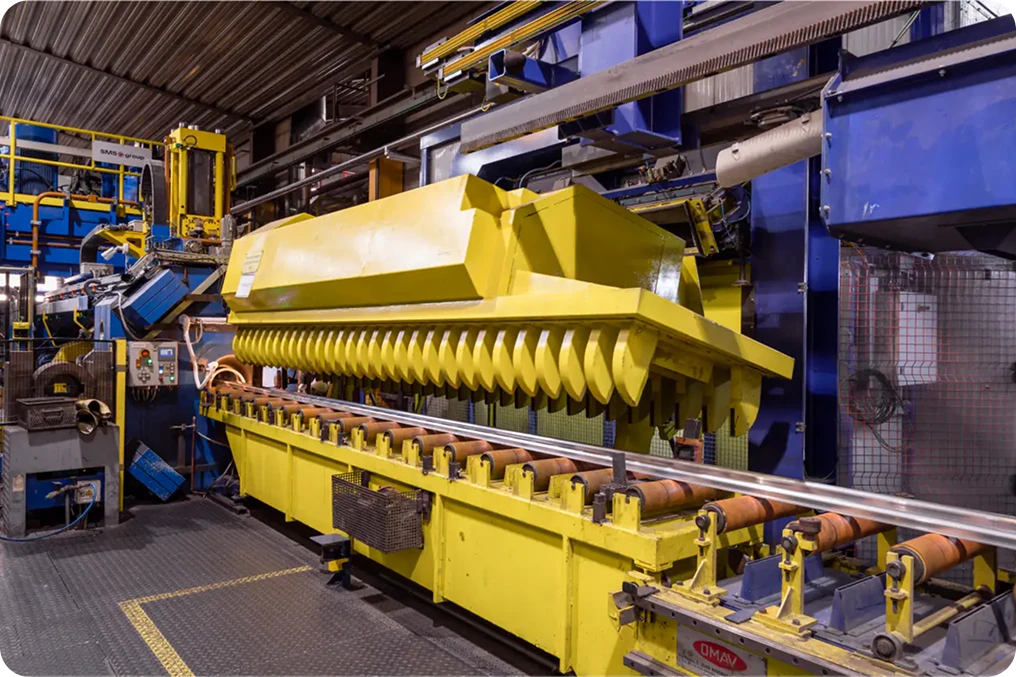
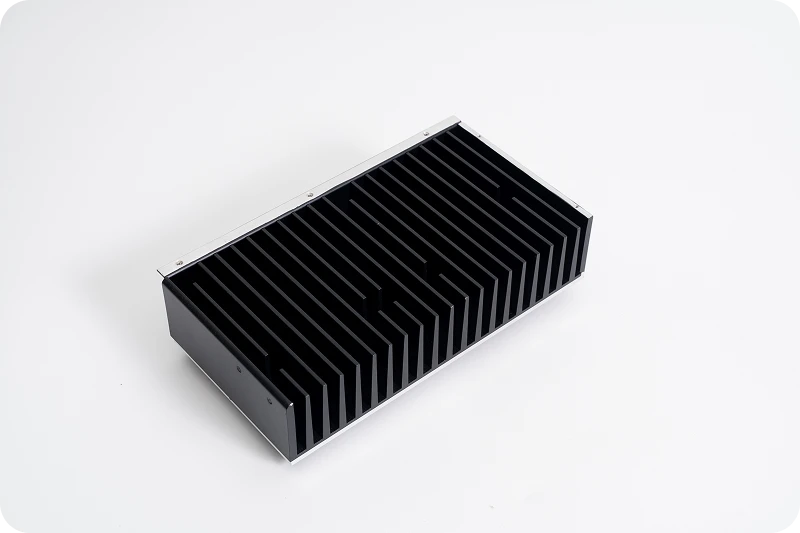
An Extruded Heat Sink is a thermal management device designed to transfer heat from a hot electronic component to the surrounding air. It is manufactured using the metal extrusion process, predominantly with aluminum. In this process, a heated aluminum billet (at approximately 520~540℃) is forced through a die, which shapes it into a precise, fixed cross-sectional profile, typically featuring an array of fins. Once extruded, these profiles are cut to the desired length to form the final heat sink.

How Does it Work?

Extruded heat sinks operate on the principles of passive heat transfer:

Conduction

Heat is conducted from the electronic component into the base of the heat sink.

Conduction to Fins

The heat then conducts through the heat sink's base and into its fins.

Convection & Radiation

The extended surface area provided by the fins dramatically increases the contact area with the surrounding air. Heat is then dissipated into the air primarily through convection (natural or forced airflow) and to a lesser extent through radiation.

This simple yet effective mechanism makes extruded heat sinks a reliable and maintenance-free cooling solution for a wide range of thermal loads.

Why Choose Jindu Bonded Fin Heat Sinks?

Jindu’s Bonded Fin Heat Sinks offer a powerful combination of design flexibility and thermal performance, providing significant benefits for challenging applications:

 Economical Manufacturing:The aluminum extrusion process is inherently efficient, allowing for continuous production of complex fin geometries at a relatively low cost per unit.

 Mass Production Scalability:Our optimized "extrusion molding process" is specifically designed to support mass production volumes of up to 10,000+ pieces, significantly reducing costs for large orders.

 Reduced Processing Time:The molding process allows for complex fin structures, which not only increases the radiating surface area but also reduces processing costs and time.

 High Conductivity Materials:We utilize high thermal conductivity aluminum alloys (6061/6063), achieving a thermal conductivity of 200 W/mK. This ensures rapid and efficient heat transfer from the heat source.

 Optimized Fin Architectures:Our extruded heat sinks are designed with various fin structures, including fin-type, sunflower-type, and shovel-toothed type, allowing for increased radiating surface area and effective heat dissipation for requirements ranging from 10W to 500W.

 Low Thermal Resistance:The seamless, monolithic construction of extruded heat sinks minimizes thermal resistance from the base to the fins, maximizing heat transfer efficiency.

 Lightweight Construction:Fabricated from aluminum, our heat sinks offer an excellent strength-to-weight ratio, making them ideal for weight-sensitive applications while providing robust performance.

 Durability & Corrosion Resistance:We support various surface treatments such as anodizing and sandblasting to enhance corrosion resistance, wear resistance, and overall aesthetics. Anodizing also improves heat radiation.

 Beautiful Appearance:KINGKA's extrusion heat sinks are characterized by their "beautiful appearance", making them suitable for applications where aesthetics are important.

The Foundation of Passive Cooling: Understanding Extruded Heat Sinks

Tailored Profiles

The extrusion process allows for the creation of intricate and customized fin profiles, including high aspect ratio designs, that can be optimized for specific airflow conditions and space constraints. We offer various structures to meet diverse heat dissipation needs.

Precision Machining

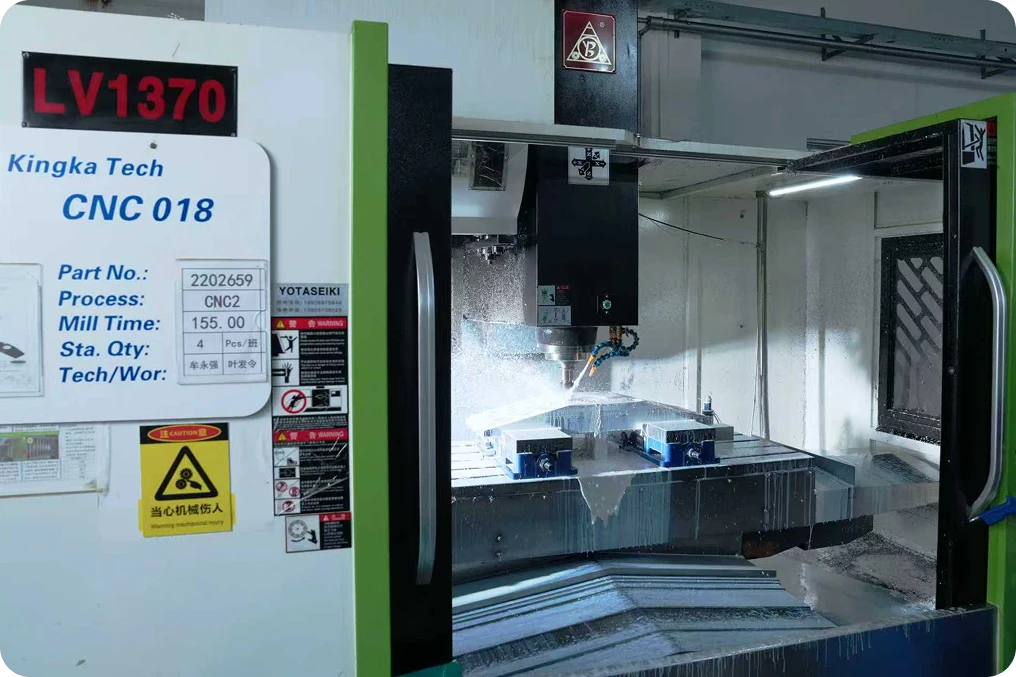
After extrusion, our heat sinks undergo CNC precision processing with a tolerance control of ±0.05mm, ensuring a perfect fit with the heat-generating components.

Integrated Features

Extrusion can integrate mounting features, channels, and complex geometries directly into the profile, simplifying assembly and improving mechanical stability.

Tailored Profiles

Our capability extends to easily attaching a copper base to the extruded aluminum fins, efficiently conducting thermal energy to the lighter, less expensive aluminum alloy cooling fins.

Jindu's Extruded Heat Sink Solutions: Engineered for Your Success

At Jindu, we don’t just supply heat sinks; we provide comprehensive thermal solutions backed by advanced engineering and rigorous quality control.

Material Selection
We primarily use high-grade aluminum alloys known for their excellent thermal properties and extrudability:

Aluminum Alloy 6063: Favored for its good thermal conductivity, machinability, and surface finish capabilities.

Aluminum Alloy 6061: Offers good strength and thermal properties.

Copper: Can be incorporated as a base for specific hybrid designs requiring extremely high thermal conductivity at the interface.

Manufacturing Precision
Our state-of-the-art facility integrates advanced manufacturing processes to ensure top-tier quality:

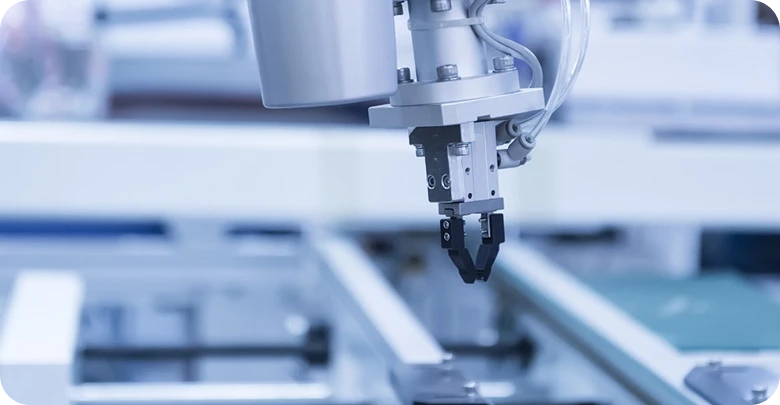
Automated Extrusion Lines: For efficient and consistent profile creation.

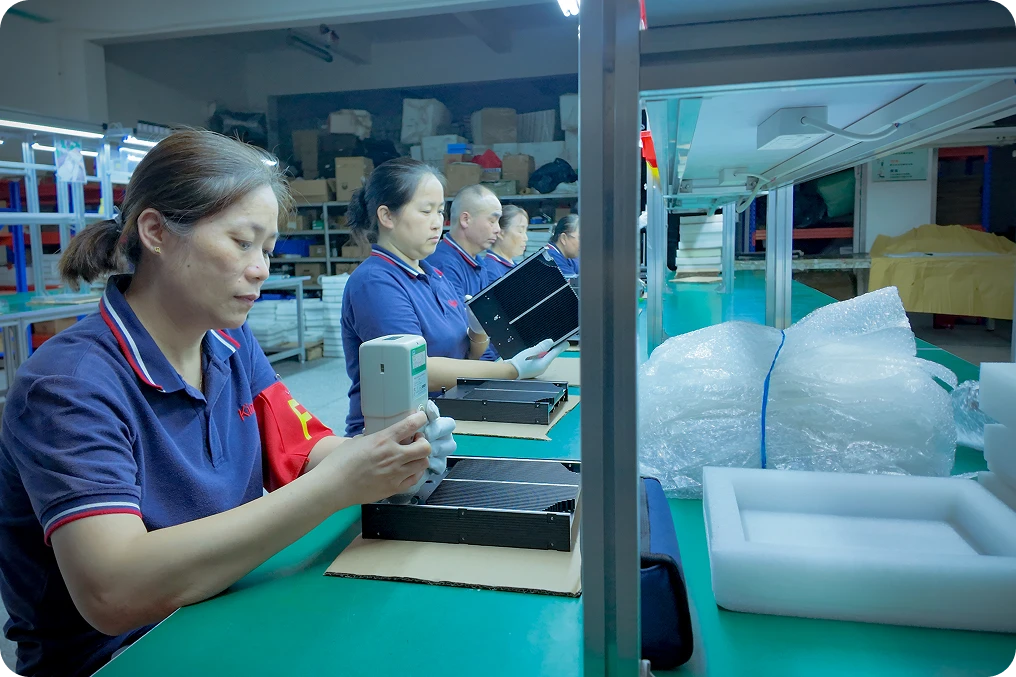
CNC Precision Machining: With over 50 sets of high-end CNC machines, we ensure the precise finishing of all features and mounting points with a tolerance of ±0.05mm.

Advanced Surface Treatments: Including anodizing, sandblasting, and potentially powder coating for enhanced performance and aesthetics.

Rigorous Quality Assurance
Every KINGKA heat sink undergoes stringent quality checks:

Thermal Simulation (ANSYS Fluent): We offer thermal simulation (ANSYS Fluent) + actual test reports to validate and optimize thermal performance before production.

Dimensional Inspection: Using accurate inspection equipment to ensure all critical dimensions meet specifications.

Visual Inspection: For aesthetic quality and surface finish integrity.

Technical Specifications & Performance Highlights

FeatureJindu Extruded Heat Sink Performance
Heat Dissipation Range10W to 500W
Material Thermal ConductivityUp to 200 W/mK (for Al/Cu)
CNC Machining Tolerance±0.05mm
Typical Sample Cycle7 Days
Mass Production On-Time Delivery98%
Mass Production Volume CapacityUp to 10,000+ pieces

Ready to Optimize Your Passive Cooling Solution?

Don’t let heat be a bottleneck for your innovation. Partner with Jindu, your trusted expert in high-performance Extruded Heat Sinks, and empower your systems to achieve their full potential.

Surface Treatments for Extruded Heat Sinks?

Don’t let heat be a bottleneck for your innovation. Partner with Jindu, your trusted expert in high-performance Extruded Heat Sinks, and empower your systems to achieve their full potential.Common Surface Treatment Options:

Anodizing

This is a widely adopted electrochemical process for aluminum heat sinks. It thickens the naturally occurring oxide layer on the surface, which provides several benefits:

Improved Corrosion Resistance: The thickened oxide layer offers excellent protection against corrosion, preventing discoloration and fading. Jindu supports anodizing to enhance corrosion resistance.

Enhanced Wear Resistance: Anodizing increases the surface hardness and wear resistance of the heat sink.

Increased Electrical Isolation: Depending on the film thickness and alloy used, anodizing can improve electrical isolation.

Improved Surface Emissivity: Anodizing, particularly black anodizing, can enhance the heat radiation properties of the surface, improving heat dissipation.

Aesthetics: Anodizing allows for various color dyes to be incorporated into the porous oxide layer, providing aesthetic appeal without affecting thermal performance. Jindu notes that anodizing contributes to the "beautiful appearance" of their heat sinks.

Sandblasting

This mechanical process involves propelling abrasive particles against the surface to create a textured finish. KINGKA utilizes sandblasting as a surface treatment to enhance overall aesthetics.

Chromate Conversion Coating

This mechanical process involves propelling abrasive particles against the surface to create a textured finish. Jindu utilizes sandblasting as a surface treatment to enhance overall aesthetics.

Powder Coating

This method involves applying a dry powder (paint) to the heat sink, which is then heated to form a protective layer.

Nickel Plating

While less common than anodizing for extruded aluminum heat sinks alone, nickel plating can be used, particularly in hybrid designs or where improved solderability or corrosion resistance for specific applications is required.

Chromate Conversion Coating

This mechanical process involves propelling abrasive particles against the surface to create a textured finish. Jindu utilizes sandblasting as a surface treatment to enhance overall aesthetics.

Diverse Applications

This method involves applying a dry powder (paint) to the heat sink, which is then heated to form a protective layer.

5G Base Station Radio Frequency Modules Essential for maintaining stable temperatures in high-power communication equipment.
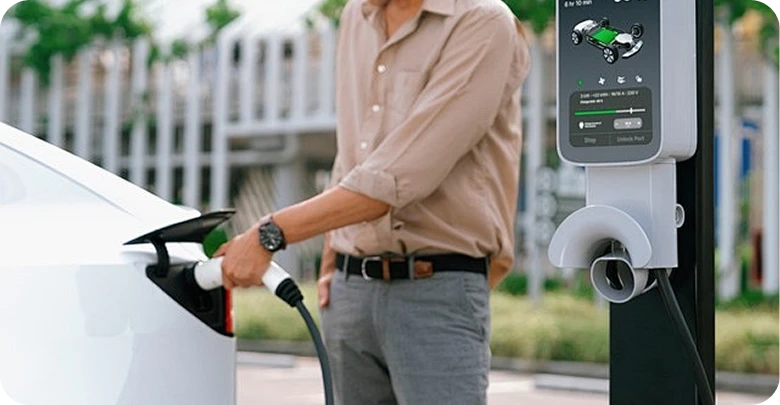
Electric Vehicle Electronic Control Units Critical for reliable operation of power electronics in EVs.
Industrial Frequency Converters Ensuring optimal performance and longevity in industrial automation and machinery.
LED Lighting Specifically designed to cool LED lights for optimal performance and efficiency.
Power Supplies & Power Electronics Dissipating heat from high-power components in various power conversion systems.
Consumer Electronics Providing reliable passive cooling for a wide range of devices.
Automotive Hybrid and electric vehicle components beyond the ECU.
Medical Devices Cooling components in diagnostic and therapeutic equipment.
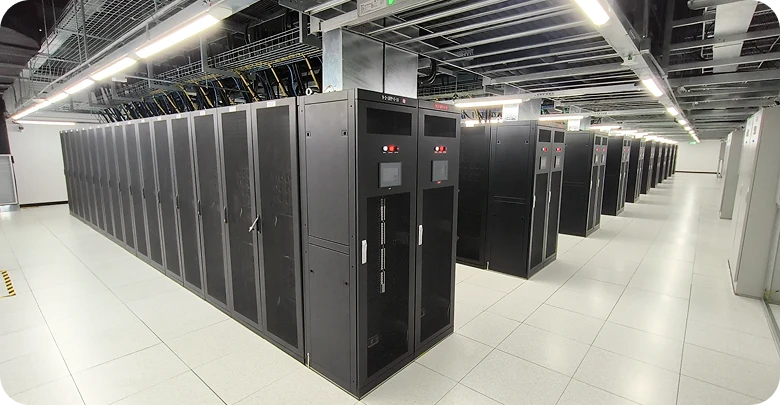
Data Centers For lower-power components or specific CPU/GPU applications where air cooling is sufficient.
General Electronic Cooling Applicable to most electronic cooling needs across various sectors.

Why Partner with Jindu? Your Strategic Thermal Partner

15 Years of Proven Expertise

With over a decade and a half in thermal management, we bring unparalleled industry knowledge and a track record of success, having proudly served global leaders like NVIDIA and ABB.

Integrated One-Stop Service

From initial consultation and custom design to advanced simulation (ANSYS Fluent), precision manufacturing, rigorous testing, and efficient mass production, Jindu offers a seamless, integrated process.

Rapid & Reliable Delivery

We offer a rapid 7-day sample cycle for quick validation, and our impressive 98% on-time delivery rate for mass production ensures your projects stay on schedule.

Unwavering Commitment to Quality

With over a decade and a half in thermal management, we bring unparalleled industry knowledge and a track record of success, having proudly served global leaders like NVIDIA and ABB.

Investing in the Future

From initial consultation and custom design to advanced simulation (ANSYS Fluent), precision manufacturing, rigorous testing, and efficient mass production, Jindu offers a seamless, integrated process.

Customer-Centric Partnership

We offer a rapid 7-day sample cycle for quick validation, and our impressive 98% on-time delivery rate for mass production ensures your projects stay on schedule.

The Jindu Process: From Concept to Optimized Cooling

We streamline the journey to your ideal thermal solution

Discovery & Requirements Analysis

We start by understanding your project's specific thermal needs, power dissipation, and environmental factors.

Custom Design & Simulation

Our engineers develop an optimized Extruded Heat Sink design, validated through advanced CAD modeling and comprehensive thermal simulations using ANSYS Fluent.

Prototyping & Validation

We rapidly produce prototypes for your evaluation and conduct rigorous testing to ensure the design meets all performance and reliability specifications.

Manufacturing & Quality Control

Leveraging our extrusion and CNC capabilities, we proceed with precision manufacturing, with strict quality checkpoints at every stage.

Delivery & Ongoing Support

We ensure on-time delivery of your high-quality Extruded Heat Sinks and provide continuous technical support for seamless integration and long-term performance.

Related Products

FAQ

An extrusion heat sink is a passive cooling device made by extruding aluminum (e.g., 6063 or 6061 alloys) into finned structures. It dissipates heat from components (e.g., power amplifiers, LEDs) via thermal conduction and convection, reducing hot spots and improving reliability

Extrusion is more cost-effective for high-volume production and provides balanced performance in free/convection cooling. Skived heat sinks offer higher fin density for forced convection but at higher costs.


 Yes. Customization options include:
Dimensions: Length (3–6 meters standard), width (e.g., 200mm), and fin density.
Surface treatments: Anodizing, powder coating, or polishing for corrosion resistance and aesthetics.
Integration: Features like mounting holes or backlight module compatibility (e.g., for LED displays)

Common uses include:
Electronics: Power amplifiers, LED backlight modules, and medical tubing equipment.
Industrial: Extrusion machinery components requiring thermal stability.

Use non-abrasive methods:
Tools: Brass brushes or compressed air to avoid scratching surfaces
Chemicals: Avoid harsh solvents; mild cleaning compounds are recommended.

 Costs depend on:
Material: Alloy type (e.g., 6063 vs. 7075)
Complexity: Custom designs or tight tolerances increase prices.
Volume: Bulk orders (e.g., ≥3000pcs) reduce unit costs

Aluminum alloys (e.g., 6063, 6061) offer high thermal conductivity, lightweight properties, and cost-effectiveness. They can be easily

Standard tolerances are ±5%, but precision machining (e.g., CNC) can achieve tighter fits for critical applications

Typical MOQs start at 1000pcs, with sample orders available (e.g., 10pcs).

Optimize by:
Increasing fin surface area (e.g., taller or denser fins).
Using forced convection (fans) for turbulent airflow
Ensuring proper thermal interface materials (TIMs) between the heat source and sink.

Common issues include:
Clogged fins: Dust accumulation reduces airflow.
Poor contact: Improper mounting or warping due to thermal cycling.
Material fatigue: Over time, repeated heating/cooling may affect structural integrity.

Standard lead times range from 30–35 days, with expedited options for urgent needs

Any Question?
Write Down And Send Us