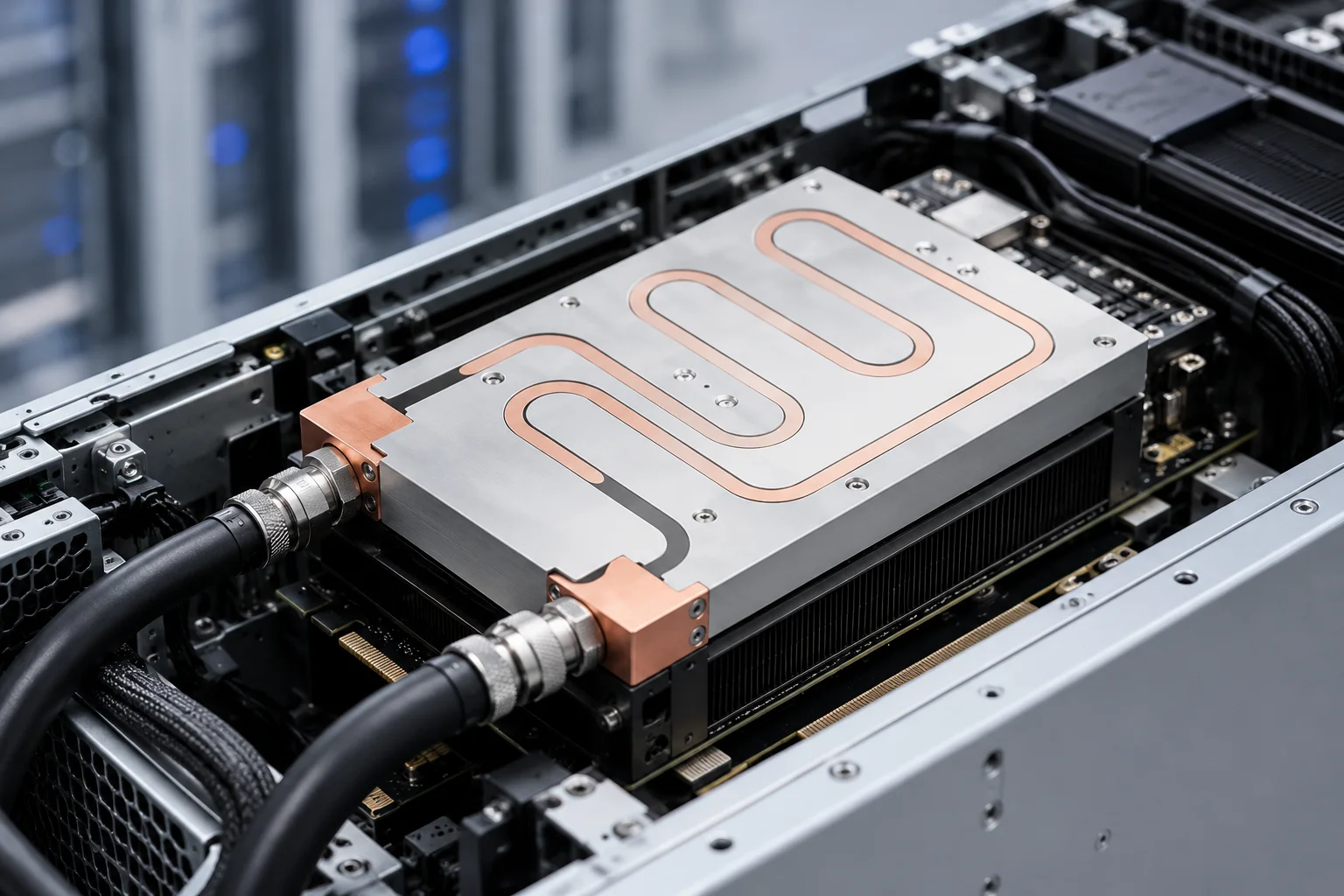
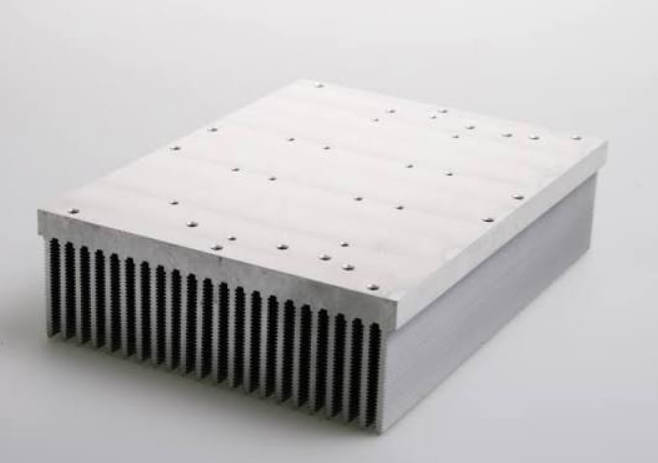
A custom extruded aluminum heat sink is designed by creating an aluminum extrusion profile that matches the heat load, space limit, airflow condition, mounting method and production requirement of an electronic device. It is commonly used when standard heat sinks cannot meet the mechanical layout, thermal target or appearance requirements of a project.
For electronics cooling, extrusion is one of the most practical heat sink manufacturing methods because it can produce repeatable aluminum profiles with fins, bases, mounting features and linear length flexibility. After extrusion, the profile can be cut, CNC machined, drilled, tapped, deburred, anodized or finished according to the final assembly requirement.
A custom extruded heat sink is especially suitable for power supplies, LED lighting, telecom equipment, industrial control systems, inverters, converters, data center hardware and many other electronic devices where air cooling is required and the product design needs a stable aluminum cooling structure.
However, successful customization is not only about sending a drawing to a supplier. Buyers need to define heat load, available space, airflow, fin geometry, material, surface treatment, tolerances, production volume and testing requirements before the extrusion die is created.
For projects that need application-specific aluminum profiles, Jindu Tech provides custom extruded heat sinks for electronics cooling and thermal management applications.
When a Custom Extruded Aluminum Heat Sink Makes Sense
A standard heat sink may work for early testing, but custom extrusion becomes more practical when the thermal component must fit the final product structure. Many electronics manufacturers choose custom extruded aluminum heat sinks when they need a profile that matches both thermal and mechanical requirements.
Typical Reasons to Customize
| Project Situation | Why Custom Extrusion Helps |
| Standard heat sinks do not fit the enclosure | The profile can be designed around available space |
| Heat load is higher than a catalog part can support | Fin height, fin pitch and base thickness can be optimized |
| The product needs a specific mounting layout | CNC machining can add holes, slots and threaded features |
| Appearance matters | Surface treatment can support product design requirements |
| Production volume is repeatable | Extrusion tooling supports consistent profile production |
| Different lengths are needed from one profile | Extruded profiles can be cut to multiple lengths |
| The heat sink also works as a structural part | The profile can integrate ribs, bosses or channels where feasible |
Custom extrusion is most valuable when the heat sink is part of the product design, not just an added cooling block.
If the heat sink must support electronics, fit inside an enclosure, align with airflow and meet production cost targets, custom extrusion may offer a better long-term solution than modifying a standard part.
How Extruded Heat Sinks Support Electronics Cooling
An extruded aluminum heat sink removes heat by conducting heat from the component into the base and fins, then dissipating it into the surrounding air. The final cooling performance depends on the complete thermal path.
The heat path usually includes:
- Heat source, such as a power module, LED board or electronic component
- Thermal interface material between the component and heat sink base
- Aluminum base for heat spreading
- Fins for increased surface area
- Airflow through or around the fin structure
- Surrounding environment or enclosure airflow path
A custom extruded aluminum heat sink should be designed around the real airflow path, not only the component power rating.
For natural convection, fin spacing and orientation are critical. For forced-air cooling, fin density, fan pressure and airflow direction become more important. A dense fin profile may work well with a fan, but it may restrict air movement in passive cooling.
Airflow-Based Design Direction
| Cooling Mode | Design Priority | Common Extruded Heat Sink Direction |
| Natural convection | Lower airflow resistance | Wider fin pitch, vertical fin orientation where possible |
| Low-speed forced air | Balance surface area and pressure drop | Moderate fin density and stable airflow path |
| High-speed forced air | More surface area in compact space | Denser fins if fan pressure supports it |
| Enclosed electronics | Heat spreading and airflow control | Custom profile matched to enclosure vents |
| Outdoor equipment | Durability and passive cooling | Strong profile, protective finish and wider spacing |
Electronics cooling is a system problem. The heat sink should be evaluated together with PCB layout, enclosure design, fan selection, installation direction and operating environment.
Custom Extrusion Workflow: From Drawing to Production
A custom extruded aluminum heat sink project usually follows a sequence of engineering and manufacturing steps. Understanding this workflow helps buyers reduce communication gaps and redesign risk.
Custom Production Workflow
| Step | Main Purpose | Buyer Input Needed |
| Thermal requirement review | Define cooling target and heat load | Power loss, target temperature, ambient condition |
| Profile concept design | Determine base, fins and envelope size | Space limit, airflow direction, mounting constraints |
| Extrusion feasibility review | Check whether the profile can be manufactured | 2D/3D drawing, alloy preference, tolerance needs |
| Die development | Create tooling for the custom profile | Approved profile drawing |
| Sample extrusion | Produce initial profile samples | Confirmation of quantity and inspection items |
| CNC post-processing | Add holes, threads, slots or flatness machining | Assembly drawing and tolerance requirements |
| Surface treatment | Improve appearance or corrosion resistance | Finish requirement, color, coating needs |
| Sample validation | Check fit, thermal behavior and dimensions | Test plan or approval criteria |
| Batch production | Produce repeatable parts | Production volume and delivery schedule |
| Quality inspection | Confirm critical dimensions and finish | Inspection standard and acceptance criteria |
The extrusion die should not be created until the profile has been reviewed for thermal performance, extrusion feasibility and assembly requirements.
Changing a profile after tooling can increase cost and delay. Early review is one of the most important ways to reduce project risk.
Drawing Requirements for Custom Extruded Heat Sinks
A clear drawing helps the supplier understand the required profile and secondary machining. If the drawing is incomplete, the supplier may quote based on assumptions that do not match the final product.
Useful Drawing Information
| Drawing Item | Why It Matters |
| Overall length, width and height | Defines the heat sink envelope |
| Fin height and fin pitch | Affects heat dissipation and extrusion feasibility |
| Base thickness | Affects heat spreading and mounting strength |
| Mounting holes | Determines CNC machining and assembly |
| Threaded features | Requires enough material and machining allowance |
| Contact surface area | Affects thermal interface design |
| Flatness requirement | Influences machining and inspection |
| Tolerance requirements | Determines manufacturability and cost |
| Surface finish notes | Guides anodizing, coating or other treatment |
| Critical dimensions | Helps supplier prioritize inspection |
A drawing should also identify which dimensions are critical and which are flexible. Overly tight tolerances on non-critical areas may increase cost without improving product performance.
Extrusion Die and Profile Design Considerations
Custom extruded heat sinks require a die when the profile is not a standard shape. The die forms the cross-section of the aluminum profile. Because the aluminum must flow through the die, profile design has practical manufacturing limits.
Profile Features That Need Review
| Design Feature | Engineering Concern |
| Very tall fins | May be difficult to extrude or keep straight |
| Very narrow fin gaps | May increase die difficulty and airflow resistance |
| Thin fin tips | May deform during extrusion, handling or machining |
| Thick base with thin fins | Uneven metal flow may need review |
| Asymmetric geometry | May increase distortion or twisting risk |
| Complex slots or cavities | May require tooling and manufacturability review |
| Integrated mounting features | Useful, but must be realistic for extrusion |
| Long profile length | Straightness and handling should be considered |
A good extruded heat sink profile must satisfy both thermal design and extrusion manufacturability.
For many projects, the profile may be adjusted during the design review stage to improve die life, dimensional consistency and production repeatability.
Material Selection for Aluminum Extrusion Heat Sinks
Aluminum is widely used for extruded heat sinks because it offers a practical balance of thermal performance, weight, cost and manufacturability. Common extrusion alloys for heat sinks include 6000-series aluminum, depending on mechanical and thermal requirements.
Material selection should consider:
- Thermal conductivity
- Mechanical strength
- Surface treatment compatibility
- Machinability
- Corrosion resistance
- Weight limit
- Cost target
- Operating environment
For many electronics cooling applications, aluminum provides enough thermal performance when the fin geometry and airflow are properly designed. Copper may offer higher conductivity, but it is heavier, more expensive and less practical for many extruded profile projects.
Aluminum Heat Sink Material Considerations
| Requirement | Material Direction |
| General electronics cooling | Common aluminum extrusion alloys are often suitable |
| Higher mechanical strength | Temper and alloy selection should be reviewed |
| Outdoor environment | Surface treatment and corrosion resistance matter |
| Weight-sensitive device | Aluminum is usually preferred over copper |
| High-volume production | Aluminum extrusion supports repeatable manufacturing |
| Complex machining after extrusion | Machinability should be considered |
Material should not be selected only from a data sheet. It should be matched with the product environment, machining needs and surface treatment plan.
CNC Machining After Extrusion
Most custom extruded aluminum heat sinks are not finished immediately after extrusion. They often require CNC machining to meet assembly requirements.
Common post-extrusion operations include:
- Cutting to length
- Drilling
- Tapping
- Milling
- Slotting
- Countersinking
- Deburring
- Surface flattening
- Edge finishing
- Custom mounting feature machining
CNC machining is especially important when the heat sink must contact a power module, PCB, LED board or enclosure surface. Flatness and hole position can affect thermal contact and assembly quality.
CNC Features Buyers Should Define
| Feature | Why It Matters |
| Mounting holes | Ensures alignment with PCB, module or enclosure |
| Threaded holes | Requires enough base thickness |
| Contact surface machining | Improves thermal interface stability |
| Slotting or cutouts | Helps fit around components |
| Chamfers and deburring | Improves safety and assembly |
| Tolerance callouts | Controls cost and inspection requirements |
A custom aluminum extrusion heat sink should be quoted with post-machining requirements included, not only the raw extruded profile.
This prevents cost surprises after the sample stage.
Surface Treatment Options for Custom Aluminum Heat Sinks
Surface treatment can improve corrosion resistance, appearance, durability or product consistency. The right treatment depends on the operating environment and assembly requirements.
Common Surface Treatment Options
| Surface Treatment | Common Purpose |
| Natural anodizing | Corrosion resistance and clean aluminum appearance |
| Black anodizing | Appearance and surface protection |
| Hard anodizing | Stronger wear and corrosion resistance in demanding environments |
| Powder coating | Appearance and environmental protection |
| Chemical conversion coating | Corrosion resistance with electrical conductivity needs |
| Nickel plating | Special corrosion or soldering-related requirements in some designs |
Surface treatment should be specified during quotation because it affects cost, lead time, final dimensions and appearance. If a heat sink has critical contact surfaces, masking or post-treatment machining may need to be discussed.
Application Scenarios for Custom Extruded Aluminum Heat Sinks
Custom extruded heat sinks are used across many electronics cooling applications because they can be adapted to different lengths, fin structures and mounting layouts.
Application Matching Table
| Application | Cooling Challenge | Why Custom Extrusion Fits |
| Power supplies | Continuous heat and production cost control | Repeatable aluminum profiles support stable cooling |
| LED lighting | Heat dissipation, appearance and enclosure integration | Custom profiles can combine cooling and structure |
| Telecom equipment | Outdoor cooling and long service operation | Aluminum profiles support passive or forced-air designs |
| Industrial controls | Cabinet heat and compact mounting | CNC machining supports assembly features |
| Inverters and converters | High heat load and module mounting | Base thickness and fin geometry can be customized |
| Data center hardware | Airflow-limited electronic systems | Fin pitch can be matched to fan and duct design |
| Medical equipment | Quiet operation and clean design | Passive or low-noise heat sink profiles can be considered |
| Renewable energy equipment | Outdoor power electronics cooling | Surface treatment and profile strength can be specified |
Extrusion is most useful when the profile can remain consistent across production. If every part needs a completely different geometry, CNC machining or another process may be more practical.
Cost Factors in Custom Extruded Aluminum Heat Sinks
The cost of a custom extruded heat sink is shaped by both tooling and part design.
Main Cost Drivers
| Cost Driver | How It Affects Cost |
| Custom extrusion die | Adds initial tooling cost for new profiles |
| Profile size | Larger profiles use more material |
| Fin complexity | Tall or dense fins may increase tooling difficulty |
| Base thickness | More aluminum increases weight and cost |
| Cut length | Affects material usage and production planning |
| CNC machining | Holes, slots, threads and flatness add processing time |
| Surface treatment | Anodizing, coating or plating adds finishing steps |
| Tolerance requirements | Tighter tolerances increase inspection and machining needs |
| Sample validation | Prototype testing adds development time |
| Production volume | Higher volume can spread tooling cost over more parts |
| Packaging | Dense fins may need protective packaging |
A custom extruded heat sink is cost-effective when the profile is stable, production volume is repeatable and unnecessary machining is avoided.
For cost control, buyers should separate critical requirements from preferred features. Not every surface needs tight tolerance or special finishing.
Quality Control Points for Custom Extruded Heat Sinks
Quality control should focus on both thermal and assembly performance. A heat sink may look acceptable but still fail to meet flatness, hole position or airflow requirements.
Quality Inspection Notes
| Inspection Item | Why It Matters |
| Profile dimension | Confirms extrusion geometry |
| Fin straightness | Affects airflow and appearance |
| Base flatness | Affects thermal interface contact |
| Cut length accuracy | Supports assembly fit |
| Hole and thread position | Ensures mounting compatibility |
| Surface finish consistency | Affects appearance and corrosion protection |
| Burr control | Improves assembly safety |
| Coating or anodizing inspection | Confirms finish requirement |
| Packaging protection | Prevents fin bending during transport |
For electronics cooling, base flatness and mounting accuracy are especially important because they directly affect contact with heat-generating components.
Supplier Evaluation Questions Before Ordering
When choosing an extruded heat sink supplier, buyers should ask questions that reveal engineering and production capability rather than only comparing unit price.
Practical Supplier Questions
| Question | Why It Matters |
| Can the profile be reviewed for extrusion feasibility before tooling? | Reduces die revision risk |
| Can CNC machining be included after extrusion? | Supports final assembly requirements |
| What surface treatments are available for aluminum heat sinks? | Helps match environment and appearance needs |
| Can samples be produced before batch production? | Supports validation |
| How are base flatness and critical dimensions inspected? | Affects thermal and mechanical performance |
| How should fin density be adjusted for airflow? | Improves thermal design practicality |
| What information is needed for quotation? | Clarifies project communication |
| How are packaging requirements handled for delicate fins? | Reduces damage risk during transport |
For buyers comparing suppliers, Jindu Tech’s extruded heat sink page is a relevant starting point for understanding custom aluminum extrusion heat sink options.
Jindu Tech’s thermal solutions overview also helps buyers review related heat sink and liquid cold plate product directions when comparing broader cooling technologies.
RFQ Checklist: What to Send for a Custom Quote
A complete RFQ helps the supplier recommend a realistic process, avoid wrong assumptions and quote more accurately.
| Information to Provide | Why It Helps |
| 2D drawing or 3D model | Defines profile, machining and assembly needs |
| Heat load | Determines thermal performance requirement |
| Heat source size and location | Helps design base and fin field |
| Maximum allowable temperature | Sets cooling target |
| Available space | Defines heat sink envelope |
| Airflow condition | Guides fin height and fin pitch |
| Installation orientation | Important for natural convection |
| Material preference | Supports alloy and temper discussion |
| Surface treatment requirement | Affects finish, durability and cost |
| Mounting method | Determines holes, threads and base thickness |
| Contact surface requirement | Affects flatness and machining |
| Production volume | Helps evaluate tooling and unit cost |
| Tolerance requirements | Defines inspection and machining complexity |
| Application environment | Helps consider dust, humidity, vibration or outdoor exposure |
| Packaging requirement | Protects fins and surface finish |
The more clearly the RFQ defines heat load, airflow, mounting and surface treatment, the easier it is to design a manufacturable custom extruded aluminum heat sink.
When Custom Extrusion May Not Be the Right Process
Extrusion is practical for many electronics cooling projects, but it has limits. Buyers should consider another heat sink process when the design requires:
- Extremely high fin density beyond extrusion feasibility
- Complex 3D geometry rather than a constant profile
- Very localized high heat flux cooling
- Copper heat spreading in a compact area
- Large bonded fin structures
- Heat pipe integration for remote heat transfer
- Very low-volume parts where die cost is not justified
Alternative processes may include skived fin heat sinks, bonded fin heat sinks, cold forged heat sinks, die cast heat sinks, heat pipe heat sinks or CNC machined heat sinks depending on the project.
The goal is not to force every cooling problem into extrusion. The goal is to choose extrusion when its strengths match the product: repeatable aluminum profiles, scalable production, cost control and practical electronics cooling.
FAQ
What is a custom extruded aluminum heat sink?
A custom extruded aluminum heat sink is an aluminum cooling profile designed for a specific electronic device. It is produced through an extrusion die and may include custom fin geometry, base thickness, cut length, CNC machining, mounting holes and surface treatment.
When should I choose a custom extruded heat sink?
Choose a custom extruded heat sink when standard heat sinks do not fit the enclosure, thermal requirement, mounting layout or appearance needs. Custom extrusion is useful when the design is stable and production volume can justify a dedicated profile.
What information is needed to order a custom aluminum heat sink?
Buyers should provide a drawing or 3D model, heat load, heat source location, space limit, airflow condition, target temperature, material preference, surface treatment, mounting method, tolerance requirements and production volume.
Is an extruded aluminum heat sink suitable for power electronics?
Yes, extruded aluminum heat sinks are commonly used for power electronics when the profile, base thickness, fin geometry and airflow are properly designed. For very high heat density, other processes such as skiving, bonded fin or heat pipe designs may also be compared.
How does CNC machining affect custom extruded heat sinks?
CNC machining adds mounting holes, threads, slots, milled surfaces and flat contact areas after extrusion. It is important for assembly accuracy and thermal contact, especially when the heat sink interfaces with power modules, PCBs or enclosures.
What surface treatments are used for aluminum heat sinks?
Common surface treatments include natural anodizing, black anodizing, hard anodizing, powder coating, chemical conversion coating and plating for special requirements. The right finish depends on corrosion resistance, appearance, electrical needs and operating environment.
Is a custom extrusion die always required?
A custom die is required when the profile shape is not available as a standard extrusion. If a standard profile can meet the thermal and mechanical requirements, tooling may not be needed. For unique profiles, die cost should be considered in the project budget.
How can buyers reduce cost in custom extruded heat sink projects?
Buyers can reduce cost by avoiding unnecessary tight tolerances, keeping the profile manufacturable, minimizing excessive CNC machining, choosing practical surface treatment, confirming the design before tooling and providing clear RFQ information at the beginning.
Conclusion
A custom extruded aluminum heat sink is a practical solution for electronics cooling when the product needs a profile that matches heat load, airflow, space, mounting and production requirements. Compared with modifying a standard heat sink, custom extrusion can improve assembly fit, airflow alignment, mechanical integration and long-term production consistency.
The success of a custom extruded heat sink project depends on clear thermal requirements, manufacturable profile design, accurate CNC machining, suitable surface treatment and proper quality inspection.
For power supplies, LED lighting, telecom equipment, industrial controls, inverters, converters and data center hardware, extrusion can provide a scalable and cost-effective aluminum cooling structure when the design is well prepared.
If your project requires a custom aluminum extrusion heat sink, Jindu Tech can review your drawing, heat load, airflow condition, surface treatment requirement and production volume to evaluate a suitable extruded heat sink design.