
Extruded Heat Sink Design Guide: Fin Height, Fin Pitch and Base Thickness
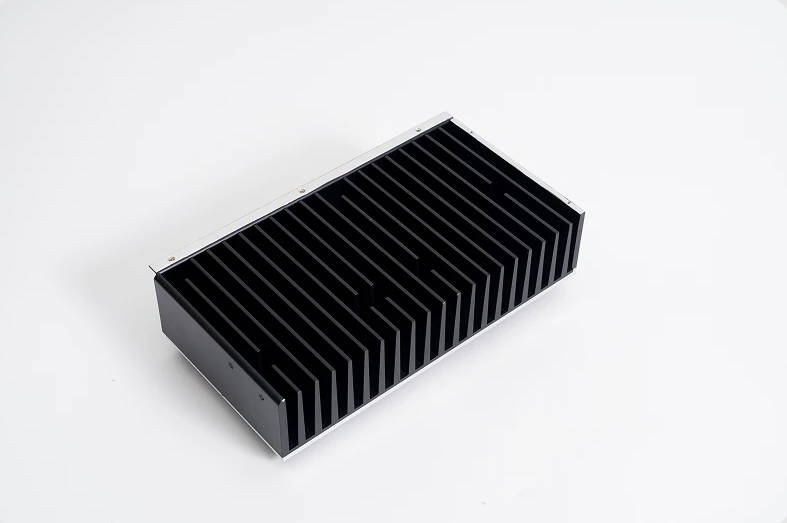
Extruded heat sink design depends mainly on fin height, fin pitch, base thickness, airflow condition, material, heat load and extrusion feasibility. A good design should provide enough heat transfer surface area while keeping airflow resistance, weight, tooling complexity and manufacturing cost under control. For aluminum extrusion heat sinks, the geometry is formed through a die, […]
Custom Extruded Aluminum Heat Sink for Electronics Cooling
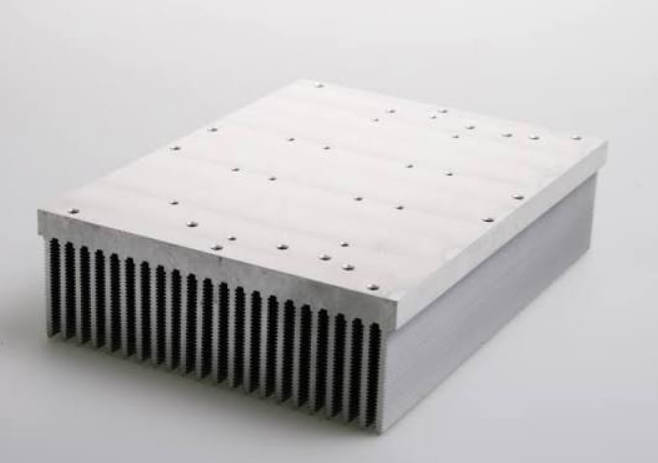
A custom extruded aluminum heat sink is designed by creating an aluminum extrusion profile that matches the heat load, space limit, airflow condition, mounting method and production requirement of an electronic device. It is commonly used when standard heat sinks cannot meet the mechanical layout, thermal target or appearance requirements of a project. For electronics […]
Extruded Heat Sink vs Die Cast Heat Sink: Cost and Performance Comparison
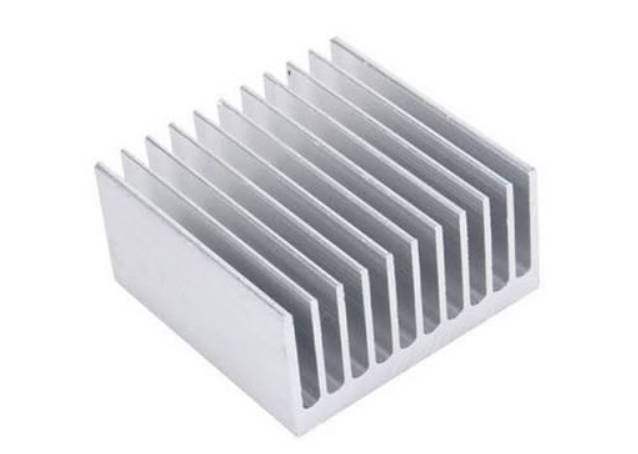
An extruded heat sink is usually better for linear aluminum profiles, higher thermal conductivity and cost-effective production after extrusion tooling, while a die cast heat sink is often better for complex 3D shapes, integrated housings and high-volume parts with structural features. The right choice depends on thermal load, airflow, geometry, tooling budget, production volume and […]
How to Choose the Right Liquid Cold Plate for High Power Electronics
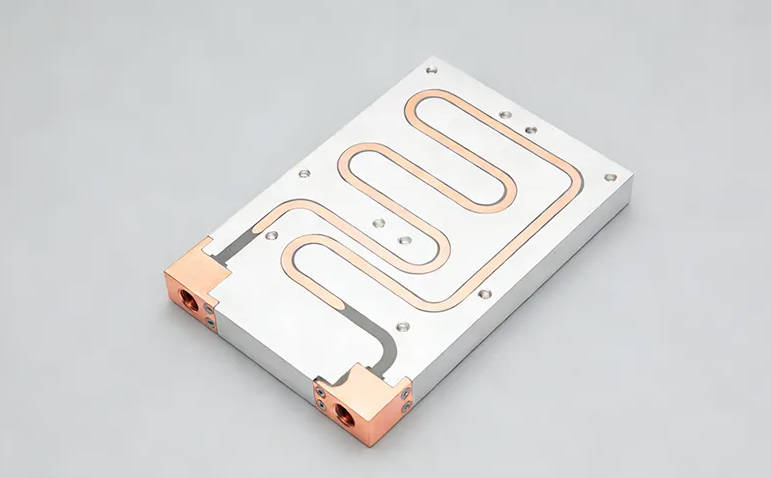
To choose the right liquid cold plate for high power electronics, you need to match the cold plate structure, flow channel design, material, pressure drop, coolant compatibility and manufacturing process with the actual heat load and system requirements. A suitable design should remove heat efficiently, keep the component temperature stable, avoid excessive pump load and […]
Aluminum vs Copper Liquid Cold Plates: How to Choose the Right Material
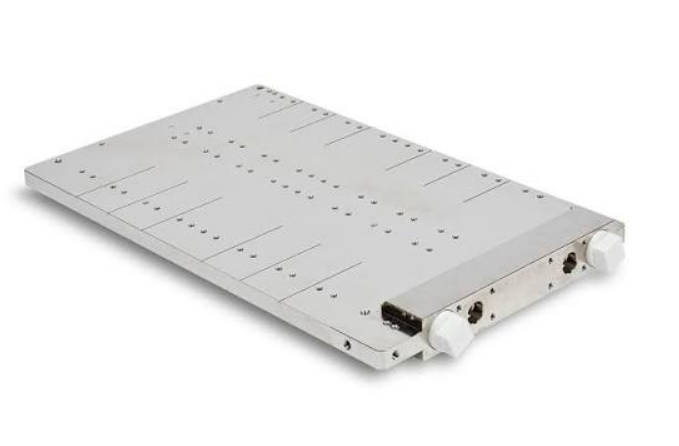
When comparing aluminum vs copper cold plates, aluminum is usually preferred for lightweight, cost-sensitive and large-size liquid cooling applications, while copper is often selected for compact, high heat flux applications that need higher thermal conductivity. The right material depends on heat load, weight limit, corrosion control, coolant compatibility, manufacturing process, cost target and long-term reliability […]
Heat Sink Manufacturing Processes: Extrusion, Skiving, Forging, Die Casting and Bonded Fin
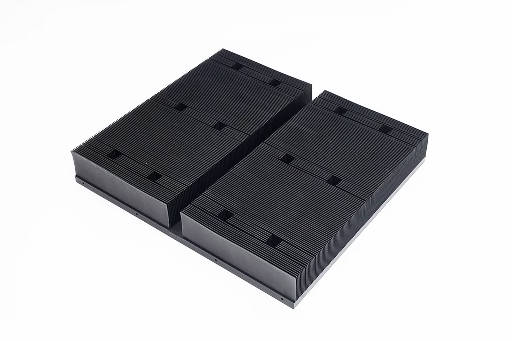
The right heat sink manufacturing process depends on thermal performance, fin geometry, material, production volume, cost target, airflow condition and mechanical design requirements. Common heat sink processes include extrusion, skiving, cold forging, die casting and bonded fin assembly. Each method has different advantages in fin density, design flexibility, tooling cost, production efficiency and thermal performance. […]
How to Choose the Right Heat Sink for High Power Electronics
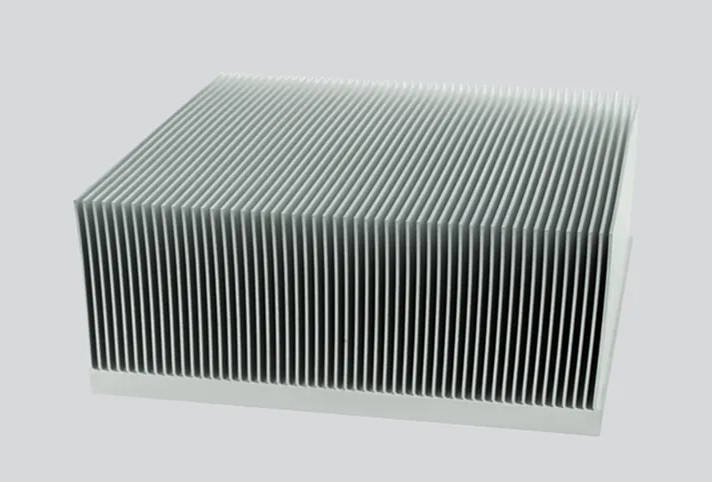
To choose the right heat sink for high power electronics, you need to evaluate heat load, available space, airflow condition, material, thermal resistance, manufacturing process, mounting method and cost target. A suitable heat sink should keep the component within its operating temperature range while remaining practical for assembly, production and long-term use. High power electronics […]
Liquid Cold Plate Design Guide: Flow Channel, Pressure Drop and Thermal Performance
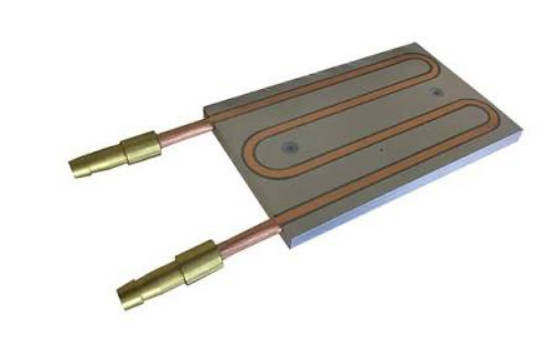
A good liquid cold plate design balances three factors: efficient heat transfer, controlled pressure drop and reliable mechanical sealing. The flow channel must remove heat from the target component, the coolant path must avoid excessive flow resistance, and the cold plate structure must remain leak-resistant under operating pressure. For high power electronics, EV battery systems, […]
PCIM Europe 2026, June 9-11, 2026

PCIM Europe 2026June 9-11,2026Exhibition CentreNuremberg, GermanyBooth No.:6-408 Discover JINDU Tech’sadvanced thermal managementsolutions including liquidcold plates, heat sinks We look forward to meeting you!
introduce the cnc toolholder
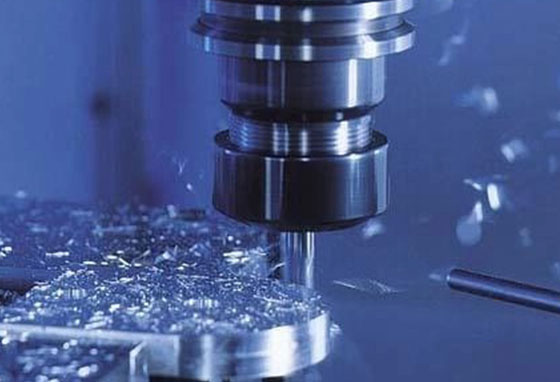
Numerical control tool to ensure the precision of cnc machining, for precision machining, toolholder is not only a simple clamping tool to buy the vibration of props directly affect the quality of machining surface. Therefore, it is very important to keep uniform cutting force and avoid tool vibration in the process of finishing. As an […]