
Brazed Liquid Cold Plates for High Power Electronics Cooling

A brazed liquid cold plate is suitable for high-power electronics when concentrated heat must be removed from IGBT modules, inverters, converters, rectifiers, or power semiconductors within a limited installation space. Its internal coolant channels carry heat away from the component mounting surface, while vacuum brazing permanently joins the machined or formed layers into a sealed […]
Die Cast Aluminum Heat Sink for LED Lighting and Power Electronics
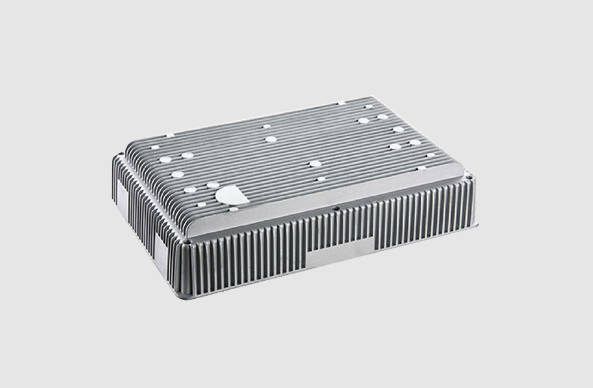
A die cast aluminum heat sink is suitable for LED lighting and power electronics when the cooling part also needs to function as a housing, cover, bracket, or structural enclosure. Instead of using a separate heat sink attached to another metal shell, die casting can form fins, walls, mounting bosses, cable openings, screw positions, and […]
Die Casting Heat Sink: When Is It Better Than Extrusion or Forging?
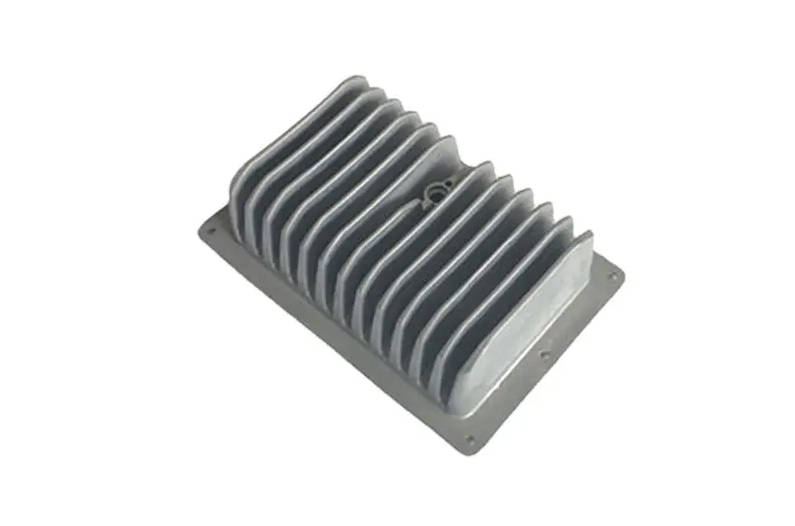
A die casting heat sink is usually better than extrusion or forging when the part needs a complex 3D shape, integrated housing features, mounting bosses, thin walls, or high-volume production with repeatable geometry. It is not always the first choice for maximum thermal conductivity, but it can be a practical solution when thermal management must […]
Extruded vs Machined Liquid Cold Plates: Cost, Performance and Design Flexibility
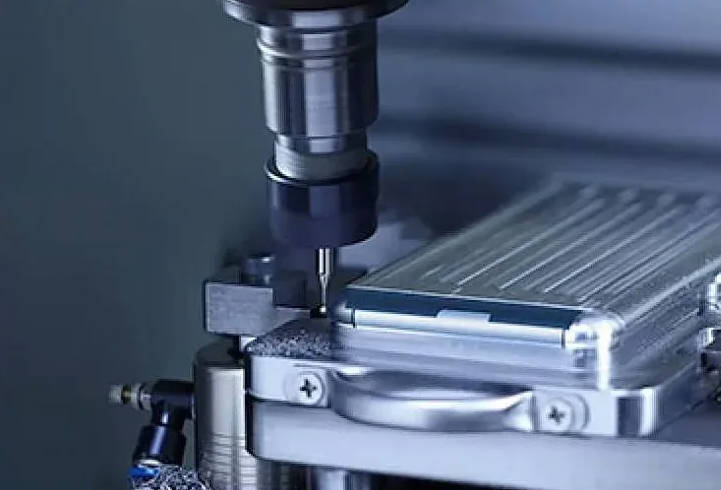
Extruded cold plates are usually better for cost-effective liquid cooling, repeatable channel geometry and scalable production, while machined cold plates are usually better for complex flow paths, localized hot spot cooling and high design flexibility. The right choice depends on heat load, channel complexity, production volume, pressure drop, material requirements and how closely the coolant […]
Extruded Aluminum Cold Plate for Cost-Effective Liquid Cooling
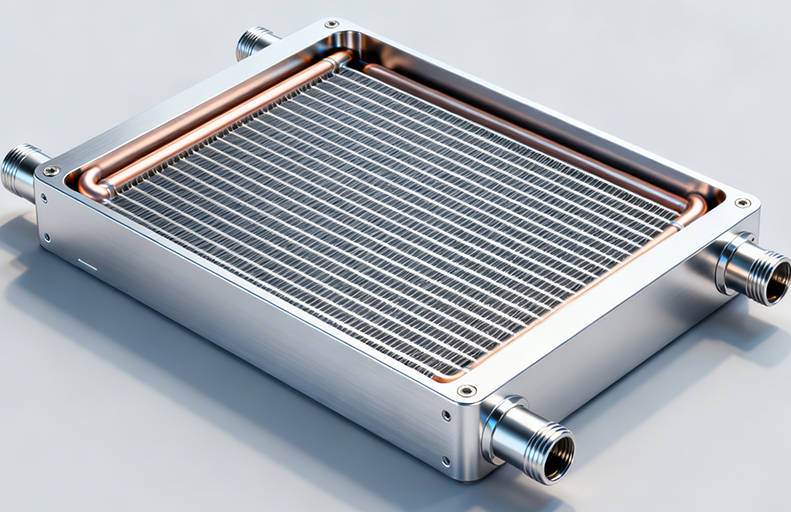
An extruded aluminum cold plate is a liquid cooling component made from an aluminum extrusion profile with internal coolant channels formed during the extrusion process. It is often used when a project needs cost-effective liquid cooling, repeatable channel geometry, lightweight structure and scalable production. For many power electronics, industrial systems, renewable energy devices, telecom equipment […]
Cold Forged Heat Sink vs Extruded Heat Sink: Which One Fits Your Project?

A cold forged heat sink is usually a better fit when your project needs pin fins, omni-directional airflow, compact geometry and strong one-piece structure. An extruded heat sink is usually a better fit when your project needs long straight fins, fixed airflow direction, lower profile cost and scalable aluminum production. The real decision is not […]
Cold Forged Heat Sink for LED, Power Module and Electronics Cooling

A cold forged heat sink is often used when LED systems, power modules, or compact electronic devices need high surface area, strong mechanical integrity, and efficient air cooling in limited space. Instead of cutting or bonding fins separately, cold forging forms the heat sink shape from a metal billet under high pressure, making it suitable […]
Heat Pipe Heat Sink Design Guide for High Power Electronics
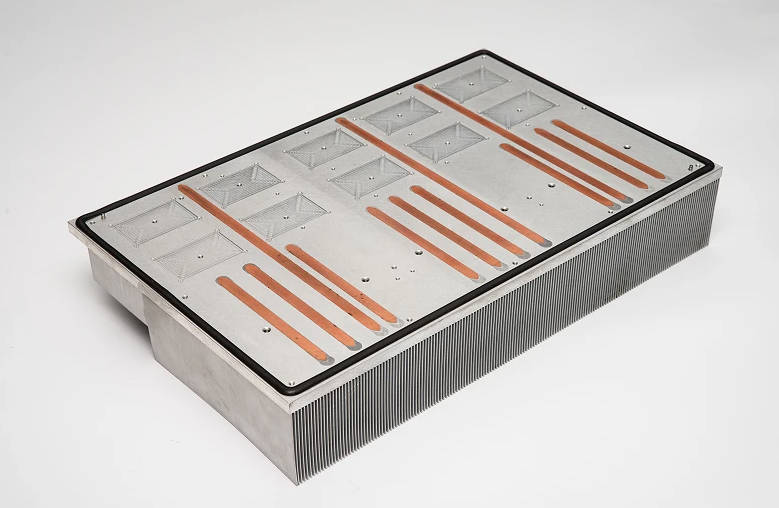
A heat pipe heat sink is used when a standard metal heat sink cannot spread heat fast enough from a concentrated high-power source. By combining a metal base, embedded heat pipes, and fin structures, the design can move heat away from hot components and distribute it across a larger cooling area. For high power electronics, […]
Extruded Liquid Cold Plates: Advantages, Limitations and Applications
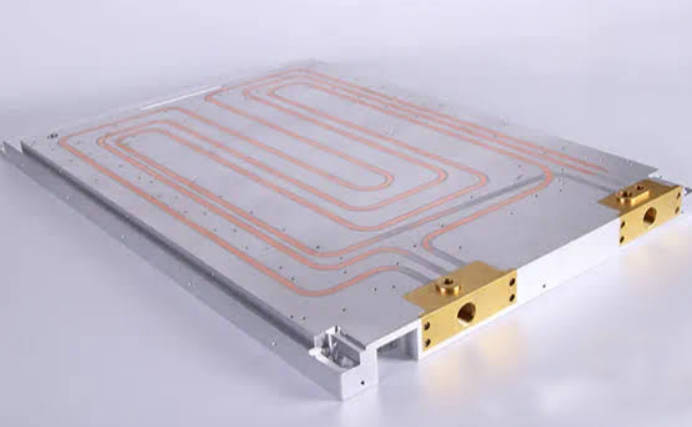
An extruded liquid cold plate is a liquid cooling component made from an aluminum or copper extrusion profile with internal coolant channels formed during the extrusion process. It is often selected when a project needs a cost-effective, repeatable and scalable cold plate structure for medium to high-volume thermal management applications. For power electronics, EV systems, […]
Skived Fin Heat Sink vs Extruded Heat Sink: Which One Should You Choose?
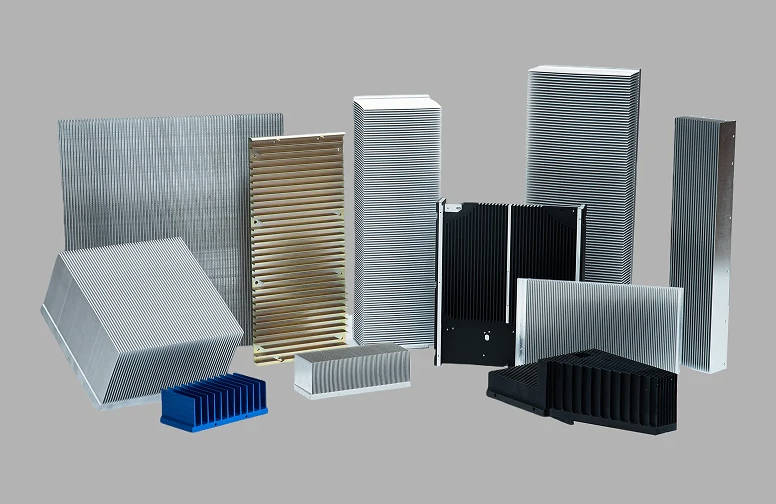
A skived fin heat sink is usually chosen when a project needs high fin density, thin fins and stronger thermal contact between the base and fins. An extruded heat sink is usually chosen when the project needs a cost-effective, repeatable aluminum profile for standard electronics cooling. The right choice depends on heat load, available space, […]